Vietnam is the world’s second-largest coffee producer, trailing only Brazil, and nowhere is its coffee heritage more alive than in the capital city. Hanoi coffee culture is a living, breathing tradition that blends French colonial history, Vietnamese ingenuity, and a deeply social way of life into every cup. From the iconic egg coffee invented during wartime scarcity to the modern third-wave roasters transforming single-origin beans, Hanoi’s cafe scene is one of the most vibrant and distinctive in all of Asia.
Whether you’re sipping a potent cà phê đen from a tiny plastic stool on a bustling Old Quarter sidewalk or settling into a hidden rooftop cafe overlooking Hoan Kiem Lake, coffee in Hanoi is never just about the drink — it’s about the experience. This comprehensive guide covers everything you need to know about Hanoi’s coffee culture: the history behind it, every type of Vietnamese coffee you should try, the best cafes in the city, and practical tips for navigating the scene like a local.
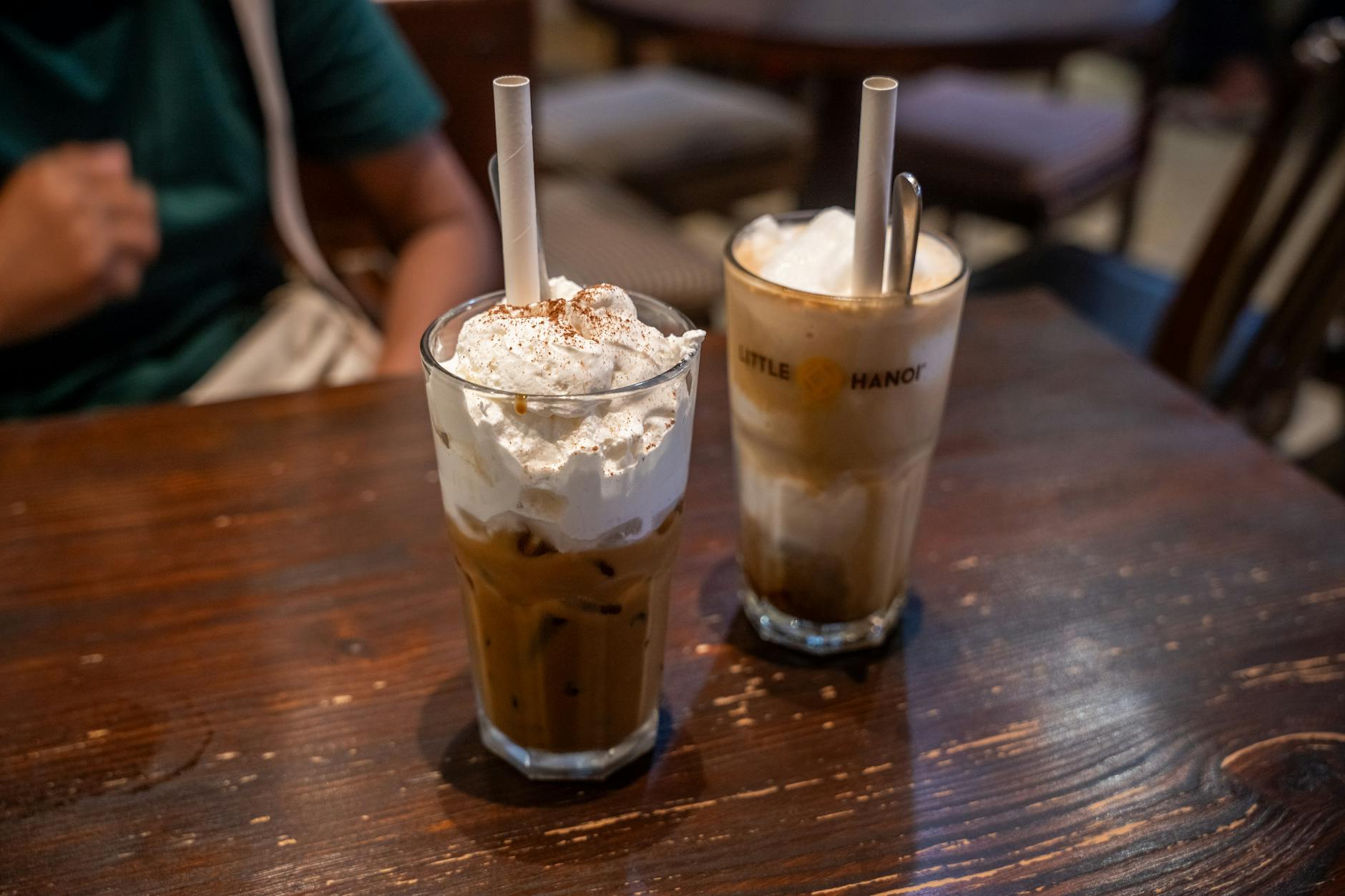
History of Vietnamese Coffee
French Colonial Origins
Coffee arrived in Vietnam in 1857, brought by French Catholic missionaries who planted the first Arabica trees in the northern highlands. By the 1880s, the French colonial administration had established large-scale coffee plantations across the Central Highlands — particularly in the provinces of Dak Lak, Gia Lai, and Lam Dong. These plantations primarily grew Arabica, but it was the introduction of Robusta beans in the early 20th century that would ultimately define Vietnamese coffee’s bold, intense character.
The French also brought their cafe culture to Hanoi. Grand establishments like the Metropole Hotel and Cafe de la Paix became gathering spots for colonial society. But the Vietnamese adapted this imported tradition, transforming it into something entirely their own. When fresh milk proved scarce and expensive, sweetened condensed milk became the standard accompaniment — a substitution that accidentally created one of Vietnam’s most beloved flavor profiles.
The Rise of Robusta and the Phin Filter
After independence and reunification, Vietnam’s coffee industry underwent a dramatic transformation. Government-backed cultivation programs in the 1980s and 1990s expanded Robusta production exponentially. By 2000, Vietnam had become the world’s largest Robusta producer and second-largest overall coffee exporter — a position it maintains to this day, producing over 1.8 million metric tons annually according to the International Coffee Organization.
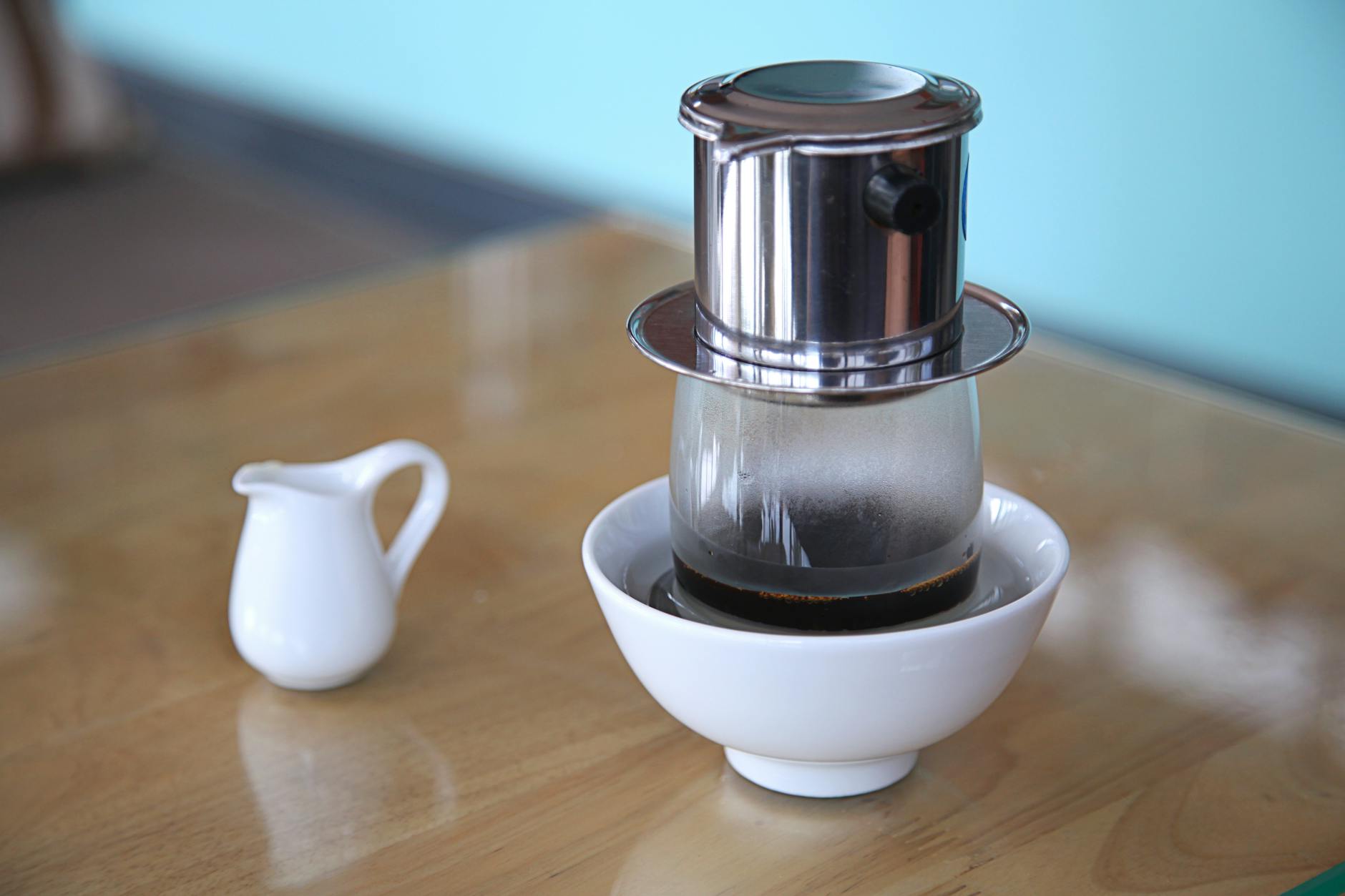
Central to this coffee revolution was the phin — a small, single-cup drip filter made of stainless steel or aluminum. Unlike the French press or pour-over methods popular elsewhere, the phin produces a slow, concentrated brew perfectly suited to Robusta’s intense, chocolatey, slightly bitter profile. The phin became democratic coffee-making: affordable, portable, and requiring no electricity — just hot water and patience.
Coffee Culture in Modern Hanoi
Today, Hanoi’s coffee culture occupies a unique space between tradition and innovation. The city has an estimated 4,000+ cafes, ranging from decades-old street-side stalls where elderly men read newspapers on low plastic stools, to Instagram-worthy specialty roasteries serving single-origin pour-overs. Coffee consumption in Vietnam has grown by approximately 10% annually over the past decade, and Hanoi sits at the epicenter of this growth. The city doesn’t just drink coffee — it lives coffee.
Vietnamese Coffee Types: A Complete Guide
One of the great joys of exploring Hanoi coffee culture is discovering the astonishing variety of coffee drinks on offer. Here is every major type you’ll encounter, from the everyday classics to the more unusual regional specialties.
| Coffee Type | Vietnamese Name | Description | Typical Price |
|---|---|---|---|
| Black Coffee (hot) | Cà phê đen nóng | Strong Robusta drip through phin, no milk, no sugar or with sugar | 20,000–30,000 VND |
| Black Coffee (iced) | Cà phê đen đá | Same as above, served over ice | 20,000–35,000 VND |
| Iced Milk Coffee | Cà phê sữa đá | Phin coffee with sweetened condensed milk over ice — the national drink | 25,000–40,000 VND |
| Egg Coffee | Cà phê trứng | Whipped egg yolk, sugar & condensed milk foam on espresso or phin coffee | 30,000–55,000 VND |
| White Coffee | Bạc xỉu | Mostly condensed milk with a small amount of coffee — milder, sweeter | 25,000–35,000 VND |
| Salted Coffee | Cà phê muối | Coffee topped with salted cream foam — originally from Hue | 30,000–50,000 VND |
| Coconut Coffee | Cà phê dừa | Blended coconut cream with coffee, served cold — signature of Cộng Cà Phê | 35,000–55,000 VND |
| Yogurt Coffee | Cà phê sữa chua | Tangy yogurt blended with coffee and ice | 30,000–45,000 VND |
| Weasel Coffee | Cà phê chồn | Beans digested by civets — smooth, low acidity, controversial | 80,000–150,000 VND |
Cà Phê Đen — Vietnamese Black Coffee
The foundation of all Vietnamese coffee is cà phê đen — literally “black coffee.” Made with darkly roasted Robusta beans brewed through a phin filter, it’s intensely strong, slightly bitter, and carries deep notes of dark chocolate, toasted nuts, and caramel. The hot version (cà phê đen nóng) is served in a small glass with the phin still dripping on top, while the iced version (cà phê đen đá) is poured over a tall glass of ice.
Many traditional Hanoi roasters add a small amount of butter, cocoa, or even rice wine during the roasting process, which gives the beans their distinctive richness. Don’t be surprised if your black coffee has a hint of chocolatey sweetness even before adding sugar — that’s the roast talking.
Cà Phê Sữa Đá — Iced Milk Coffee
If there’s one drink that defines Vietnam’s coffee identity on the world stage, it’s cà phê sữa đá. A layer of thick sweetened condensed milk sits at the bottom of a glass, phin-brewed coffee drips on top, ice is added, and then the whole thing is stirred together into a creamy, intensely sweet, incredibly addictive iced coffee. The condensed milk was originally a necessity — fresh dairy was expensive and spoiled quickly in tropical heat — but it became an integral part of the flavor profile.
The ratio of condensed milk to coffee varies by personal preference and by cafe, but a standard preparation uses roughly two to three tablespoons of condensed milk per cup. The result is a drink that balances Robusta’s powerful bitterness with silky sweetness, creating something entirely greater than the sum of its parts. You’ll find cà phê sữa đá at literally every cafe, street stall, and restaurant in Hanoi — it’s the people’s coffee.
Cà Phê Trứng — Egg Coffee
Hanoi’s most famous contribution to the global coffee lexicon, cà phê trứng was invented in the 1940s by Nguyen Van Giang, a bartender at the legendary Sofitel Legend Metropole Hotel. During the First Indochina War, fresh milk was in desperately short supply. Giang improvised by whipping egg yolks with sugar and condensed milk to create a rich, custard-like foam that could top coffee in place of milk or cream. The result was so delicious that it transcended its origins as a wartime substitution and became one of Hanoi’s defining culinary creations.
A properly made egg coffee is a revelation. The whipped egg mixture — beaten until thick, pale, and airy — sits like a golden cloud atop a small cup of strong, hot coffee. The coffee cup itself is often nestled in a bowl of hot water to keep everything warm. You eat the top layer with a spoon (it tastes remarkably like liquid tiramisu or crème brûlée), then sip the coffee beneath, or stir everything together. Either way, it’s extraordinary.
Bạc Xỉu — Vietnamese White Coffee
Bạc xỉu is essentially the gentler, sweeter sibling of cà phê sữa đá. Where iced milk coffee is primarily coffee with some condensed milk, bạc xỉu reverses the ratio — it’s primarily condensed milk (and sometimes fresh milk) with just a touch of coffee for flavor and color. The name comes from the Cantonese words for “white” (bạc) and “little” (xỉu), reflecting the drink’s pale appearance.
Popular with those who find regular Vietnamese coffee too strong or too bitter, bạc xỉu is an excellent entry point for coffee newcomers. It’s also a beloved afternoon treat — mild enough not to disrupt sleep, sweet enough to satisfy a craving. You’ll see it ordered frequently by younger Vietnamese coffee drinkers and older patrons alike.
Cà Phê Muối — Salted Coffee
Originally from the central city of Hue, cà phê muối (salted coffee) has taken Hanoi by storm in recent years. The drink features a layer of salted cream — typically made from fermented milk or cream cheese whipped with sea salt — floating on top of iced coffee. The combination of salty, creamy foam with the bitter intensity of Robusta creates a complex, almost savory drinking experience that has converted countless skeptics.
The trend has been driven by chains like Highlands Coffee and local specialty shops alike, making salted coffee one of the most exciting additions to Hanoi’s coffee repertoire. If you enjoy salted caramel or the interplay of sweet and savory flavors, this is a must-try.
Cà Phê Dừa — Coconut Coffee
Coconut coffee blends rich coffee with coconut cream or coconut milk, often served blended with ice into a smoothie-like consistency. The drink was popularized nationally by the chain Cộng Cà Phê, whose cà phê cốt dừa (coconut coffee) became a social media sensation and is now arguably as iconic as egg coffee among younger Vietnamese drinkers.
The flavor is tropical, creamy, and refreshing — the natural sweetness of coconut perfectly complements Robusta’s deep roasted notes. Served in Cộng’s signature metal cups, it’s as photogenic as it is delicious. Many other cafes now offer their own versions, some adding pandan, others blending in coconut ice cream for extra richness.
Weasel Coffee (Cà Phê Chồn) — Controversy and Ethics
Cà phê chồn, known internationally as weasel coffee or civet coffee, involves coffee beans that have been eaten and partially digested by Asian palm civets. Enzymes in the civet’s digestive tract break down proteins in the beans, resulting in a smoother, less bitter brew with unique flavor characteristics. Historically, wild civet droppings were collected by farmers — a rare, serendipitous find.
However, the drink’s popularity and high prices (it can sell for hundreds of dollars per kilogram internationally) have led to serious animal welfare concerns. Many producers now cage civets in poor conditions and force-feed them coffee cherries. We strongly recommend avoiding any cà phê chồn from caged sources. If you’re curious about the taste, look for certified wild-sourced options, but be aware that authenticity verification is difficult. Most ethical coffee experts suggest that equally interesting flavors can be found in high-quality, ethically produced single-origin Vietnamese coffees without the animal welfare issues.
The Phin Filter: Heart of Vietnamese Coffee
The phin (Vietnamese coffee filter) is arguably the single most important piece of coffee equipment in the country. This small, elegant device consists of four parts: a saucer-like base that sits atop your cup, a brewing chamber, a press/tamper disc that sits on the grounds, and a lid. Together, these components produce a slow-drip, concentrated coffee that is the foundation of virtually every Vietnamese coffee drink.
How to Brew with a Phin Filter
Brewing with a phin is simple but requires patience — the entire process takes four to six minutes, which is part of the ritual. Here’s a step-by-step guide:
- Preheat: Place the phin on top of your cup and pour a small amount of hot water through to warm everything up. Discard the water.
- Add coffee: Place 2-3 tablespoons (about 15-20 grams) of coarsely ground Vietnamese coffee into the brewing chamber.
- Tamp gently: Place the press disc on top of the grounds and press down lightly. Don’t over-tamp — the water needs to flow through.
- Bloom: Pour a small amount of near-boiling water (about 20ml) over the press disc and wait 20-30 seconds. This allows the grounds to bloom and release CO2.
- Fill and wait: Fill the chamber to the top with hot water (about 160-180ml, or roughly 95°C/200°F). Place the lid on top to retain heat.
- Drip: Watch and wait as the coffee drips slowly into your cup. The entire drip should take 4-6 minutes. If it’s too fast, tamp harder next time; too slow, use a coarser grind or lighter tamp.
- Enjoy: Remove the phin, stir in condensed milk if desired, and add ice for iced coffee. Or simply enjoy it black.
Where to Buy a Phin Filter
Phin filters are available everywhere in Hanoi and make a perfect, lightweight souvenir. You’ll find basic stainless steel phins at any market or supermarket for 15,000-30,000 VND (under $1.50). For higher quality options, visit specialty coffee shops where you can find premium stainless steel or ceramic phins for 50,000-200,000 VND. Trung Nguyen coffee stores sell attractive gift sets that include a phin plus premium coffee beans. Markets like Dong Xuan Market in the Old Quarter offer the widest selection at the best prices.
Egg Coffee: Hanoi’s Most Famous Invention
The Origin Story
The story of egg coffee is inseparable from the story of wartime Hanoi. In the late 1940s, during the First Indochina War against the French, Hanoi faced severe shortages of many imported goods — including fresh milk and cream. Nguyen Van Giang, who worked as a bartender at the Sofitel Legend Metropole Hotel (then the Hotel Metropole), needed to find an alternative for the hotel’s milk-based coffee drinks.
Drawing on the French technique of using egg yolks to enrich sauces and desserts, Giang began whisking egg yolks vigorously with sugar and whatever condensed milk was available to create a thick, frothy topping for coffee. The drink was an instant hit. In 1946, Giang left the Metropole and opened his own cafe — Cafe Giang — at 39 Nguyen Huu Huan Street in the Old Quarter, where it still operates today under the management of his son, Nguyen Tri Hoa.
Giang Cafe: The Original Home of Egg Coffee
Visiting Cafe Giang (also written as Giang Cafe or Giảng Cafe) is a pilgrimage for coffee lovers. The original location at 39 Nguyen Huu Huan Street is tucked down a narrow alleyway — look for a small sign and follow the corridor. Inside, the atmosphere is wonderfully unpretentious: simple wooden furniture, yellowed photographs on the walls, and the constant hum of conversation.
The egg coffee here remains the gold standard. The family guards their exact recipe closely, but the key elements are fresh egg yolks from select farms, Vietnamese Robusta coffee, sugar, and condensed milk. The egg mixture is beaten by hand (not machine) until it reaches a specific consistency. The result is served in a small ceramic cup sitting in a bowl of hot water to keep the egg foam warm. One cup costs approximately 30,000-35,000 VND — a remarkable value for a drink this legendary.
Giang Cafe also now has a second location at 106 Yen Phu Street, near West Lake, which is less crowded but equally authentic.
Where Else to Try Egg Coffee in Hanoi
While Giang Cafe is the originator, many cafes across Hanoi serve excellent egg coffee with their own creative variations. Loading T Cafe offers a cinnamon-spiced version in a beautiful French colonial setting. Cafe Dinh, located near Hoan Kiem Lake, serves their version in a atmospheric underground space. Cafe Pho Co presents egg coffee with a spectacular lakeside view. Even chain cafes like Highlands Coffee and The Coffee House have added egg coffee to their menus — though purists may scoff, they serve as accessible introductions to the drink.
How to Make Egg Coffee at Home
While nothing quite replicates the experience of drinking egg coffee in a cramped Hanoi alleyway, you can approximate the drink at home:
- Brew strong coffee: Use a phin filter or any method to make approximately 60-80ml of very strong, dark coffee.
- Prepare the egg cream: Separate 1-2 egg yolks (use pasteurized eggs for safety). Add 1-2 tablespoons of sweetened condensed milk and 1 teaspoon of sugar.
- Beat vigorously: Using a hand mixer or whisk, beat the yolk mixture for 5-10 minutes until it’s extremely thick, pale, and fluffy — think meringue consistency but denser.
- Assemble: Pour the hot coffee into a small cup. Spoon the egg cream generously on top.
- Serve warm: Place the cup in a bowl of hot water to maintain temperature. Serve with a small spoon.
Best Cafes in Hanoi (2026)
Hanoi’s cafe scene is extraordinarily diverse. From historic institutions to cutting-edge specialty roasters, here are the essential cafes that showcase the full spectrum of Hanoi coffee culture. For more on navigating the neighborhoods, see our Hanoi Old Quarter Guide.
| Cafe | Specialty | Address | Price Range | Best For |
|---|---|---|---|---|
| Giang Cafe | Original Egg Coffee | 39 Nguyen Huu Huan, Hoan Kiem | 25,000–45,000 VND | History & authenticity |
| Cộng Cà Phê | Coconut Coffee | Multiple locations (best: 152 Trieu Viet Vuong) | 30,000–55,000 VND | Atmosphere & coconut coffee |
| Loading T Cafe | Cinnamon Egg Coffee | 8 Chan Cam, Hoan Kiem | 35,000–60,000 VND | Colonial architecture & creative drinks |
| Cafe Pho Co | Lake View Coffee | 11 Hang Gai, Hoan Kiem | 30,000–50,000 VND | Hoan Kiem Lake views |
| Ok Coffee | Specialty Brews | Truc Bach area, Ba Dinh | 30,000–55,000 VND | Lakeside vibes & craft coffee |
| Cafe Dinh | Egg Coffee | 13 Dinh Tien Hoang, Hoan Kiem | 25,000–40,000 VND | Underground atmosphere |
| Blackbird Coffee | Specialty / Third Wave | 5 Chan Cam, Hoan Kiem | 40,000–75,000 VND | Single-origin & pour-over |
| Tranquil Books & Coffee | Book Cafe | 5 Nguyen Quang Bich, Hoan Kiem | 25,000–45,000 VND | Reading & relaxing |
| The Note Coffee | Post-it Note Decor | 64 Luong Van Can, Hoan Kiem | 30,000–50,000 VND | Unique experience & lake views |
| Highlands Coffee | Chain / All-rounder | Multiple locations citywide | 35,000–65,000 VND | Reliable quality & AC |
Giang Cafe — Where Egg Coffee Was Born
No guide to Hanoi coffee culture is complete without starting at Giang Cafe. The original location at 39 Nguyen Huu Huan is hidden down one of the Old Quarter’s signature narrow alleyways. Inside, the cafe feels frozen in a delightful time warp — wooden stools, simple tables, and walls covered in photos documenting the cafe’s 80-year history. The egg coffee (30,000 VND) is transcendent. Beyond egg coffee, try the egg cocoa (ca cao trứng) or egg beer (bia trứng) for unusual variations on the theme. Arrive early on weekends to secure a seat — this place is famous for good reason.
Cộng Cà Phê — Communist-Themed Coconut Coffee
With its military-green aesthetic, propaganda-poster decor, and deliberately nostalgic references to Vietnam’s communist past, Cộng Cà Phê has expanded from a single Hanoi location into a nationwide chain with international outposts. But don’t let the chain status fool you — the quality remains high, and the cà phê cốt dừa (coconut coffee, 45,000 VND) that made them famous is still excellent. The Trieu Viet Vuong location retains the most character, with its dimly lit interior and retro furnishings. It’s also a great place to try their frozen yogurt coffee and seasonal specialty drinks.
Loading T Cafe — Colonial Elegance Meets Creative Coffee
Set inside a beautifully restored French colonial building on Chan Cam Street, Loading T Cafe is where Hanoi’s cafe culture meets its architectural heritage. The signature drink is their cinnamon egg coffee — a warm, spiced variation on Giang’s classic that adds a fragrant cinnamon note to the whipped egg foam. The multi-story building offers different atmospheres on each floor, from the street-facing terrace to intimate interior rooms filled with antique furniture. Come for the coffee, stay for the ambiance.
Cafe Pho Co — The Hidden Gem with a Lake View
Getting to Cafe Pho Co is half the adventure. Enter through what appears to be a silk shop at 11 Hang Gai Street, walk through the merchandise, through a narrow corridor, up several flights of stairs, and suddenly you emerge onto a rooftop terrace with a breathtaking view of Hoan Kiem Lake and Ngoc Son Temple. The coffee is solid (the egg coffee and coconut coffee are popular choices), but the real draw is the view and the sense of discovery. It’s one of the most photographed cafes in Hanoi, but remains a magical experience, especially at sunset.
Ok Coffee — Lakeside Vibes in Truc Bach
Slightly off the tourist trail in the Truc Bach area near West Lake, Ok Coffee has become a local favorite for its laid-back atmosphere and quality specialty coffee. True to Hanoi’s street coffee tradition, seating includes low camping-style chairs on the sidewalk overlooking the lake. Their Vietnamese-style iced coffee is some of the best in the city, and they also serve competent espresso-based drinks. The Truc Bach neighborhood itself is worth exploring — it’s one of Hanoi’s most rewarding areas for wandering.
Hidden Cafes in the Old Quarter
Part of the magic of Hanoi’s cafe culture is the thrill of discovery. The Old Quarter’s maze of narrow streets and labyrinthine alleyways hides dozens of spectacular cafes behind unmarked doors, down winding corridors, and atop crumbling colonial buildings. Here are some of the best hidden gems worth seeking out.
Alleyway Cafes
Many of Hanoi’s best cafes are found not on main streets but down the narrow alleys (ngõ or hẻm) that branch off them. These alleyway cafes are often family-run operations occupying the ground floor of residential buildings, with just a few tables and no signage visible from the street. Finding them is part of the experience — look for clusters of motorbikes parked at alley entrances, follow the aroma of roasting coffee, or simply ask locals. Some notable alleyway zones for cafe exploration include the alleys off Hang Bac Street, the lanes behind Hang Hanh Street, and the maze of passages around Ta Hien Street (famous for its beer culture but increasingly home to daytime cafes as well).
Rooftop and Balcony Secrets
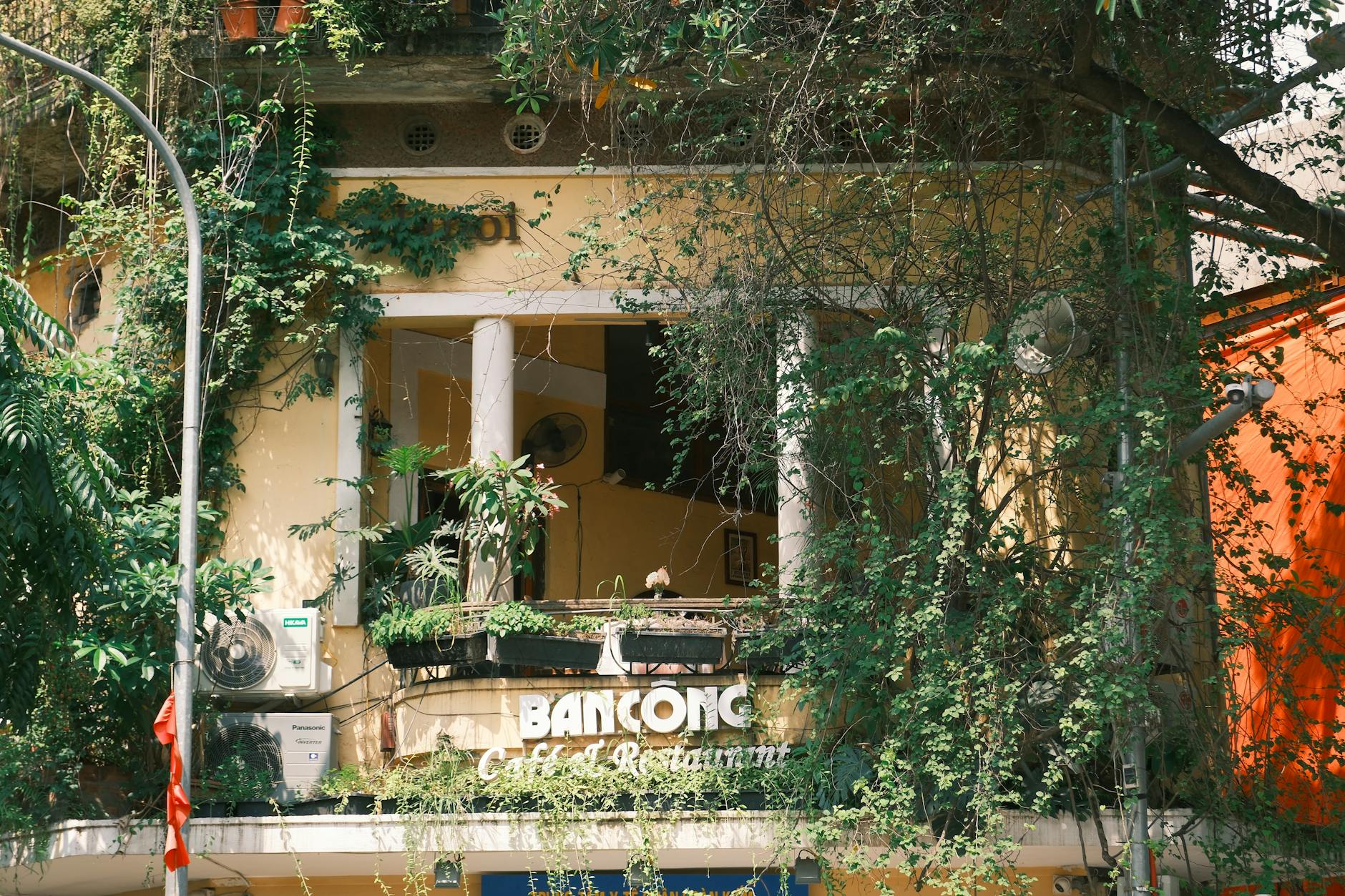
The Old Quarter’s colonial-era buildings often house multi-story cafes where the best experiences await on upper floors. Beyond the famous Cafe Pho Co, look for cafes with inconspicuous stairway entrances that lead to rooftop terraces with unexpected views. The Note Coffee at 64 Luong Van Can is covered floor-to-ceiling with colorful post-it notes left by visitors from around the world, and its upper levels offer views across the Old Quarter’s rooftops. Several unnamed balcony cafes along Hang Trong and Hang Bong streets offer front-row seats to the theater of Old Quarter life below.
Best Rooftop Cafes in Hanoi
Hanoi’s low-rise Old Quarter and abundance of colonial-era buildings make it ideal for rooftop cafe culture. Watching the city from above — the chaos of motorbikes, the weathered tile rooftops, the distant silhouette of pagodas — is one of Hanoi’s great pleasures, especially at golden hour.
Best Rooftop Cafes for Views
Cafe Pho Co remains the king for its unmatched Hoan Kiem Lake panorama, but several others compete. Serein Cafe & Lounge on Hang Trong offers a sophisticated rooftop setting with lake-adjacent views. Tung Cafe, one of Hanoi’s oldest cafes (operating since 1950 on Hang Hanh Street), has a modest upper floor with authentic Old Quarter atmosphere. For a more modern rooftop experience, The Giang Kitchen & Coffee near St. Joseph’s Cathedral combines coffee with panoramic views of the cathedral’s neo-Gothic spires.
Sunset Spots
For the best sunset coffee experience, head to cafes with west-facing terraces. Several rooftop options along the eastern shore of West Lake catch spectacular sunsets reflected off the water. In the Old Quarter, the upper terrace of Cafe Pho Co catches beautiful late-afternoon light. The timing varies by season — sunset ranges from about 5:15 PM in December to 6:45 PM in June — so plan accordingly. Arrive at least 30-45 minutes before sunset to secure a good spot, as these locations fill up quickly.
Specialty and Third-Wave Coffee in Hanoi
While traditional phin-brewed Robusta remains the backbone of Hanoi’s coffee scene, a dynamic specialty coffee movement has emerged over the past decade. A new generation of Vietnamese roasters and baristas are showcasing the country’s Arabica potential, experimenting with processing methods, and building direct relationships with highland farmers.
Leading Specialty Roasters
Blackbird Coffee is perhaps Hanoi’s most acclaimed specialty roaster, with several locations around the city center. Their approach emphasizes single-origin Vietnamese beans, light to medium roasts, and pour-over or AeroPress brewing methods that highlight terroir rather than roast character. Their flagship on Chan Cam Street is a sleek, minimalist space where you can taste the difference between beans from Son La, Lam Dong, and Dak Lak provinces.
Shin Coffee has gained a following for its focus on Vietnamese Arabica from the Central Highlands, with an emphasis on washed and honey processing. Lacàph operates a farm-to-cup model, growing, processing, and roasting their own beans from Bao Loc. The Workshop, while originally a Saigon institution, has brought its specialty ethos to Hanoi with a focus on education and cupping sessions. As Sprudge has noted in their coverage, Hanoi’s specialty scene is one of the most exciting emerging coffee cultures in Southeast Asia.
Vietnamese Arabica: The Next Frontier
While Vietnam is synonymous with Robusta, the country’s highland regions produce increasingly excellent Arabica. Areas like Son La province in the northwest, the Dalat highlands, and parts of Quang Tri are producing beans that compete on the world stage. Look for tasting notes of tropical fruit, jasmine, brown sugar, and dark chocolate — distinctly different from the bold, earthy profile of Vietnamese Robusta. Many specialty cafes now offer side-by-side tastings of Robusta and Arabica so you can appreciate the full spectrum of Vietnamese coffee.
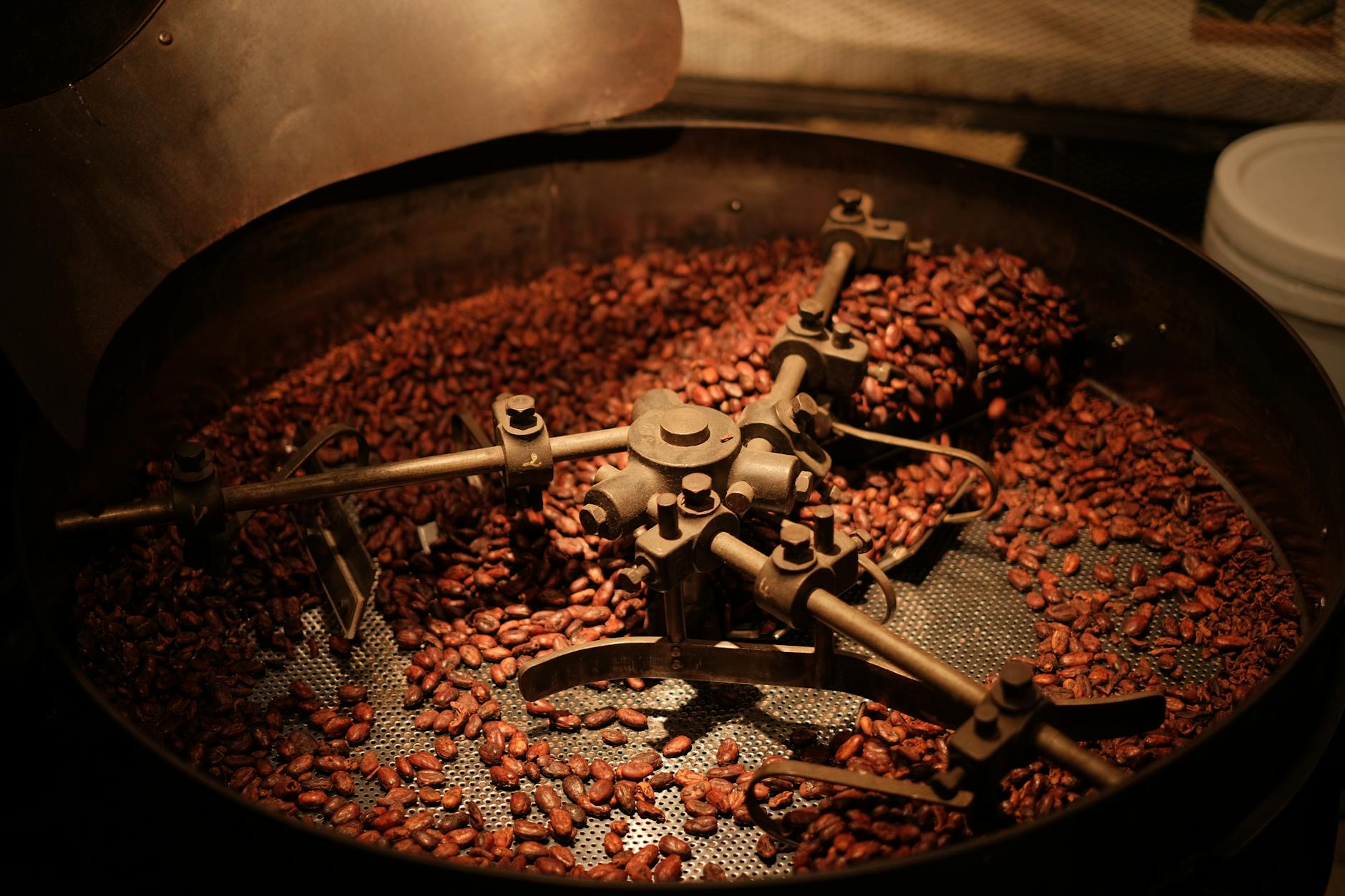
Coffee Beans to Buy and Take Home
Vietnamese coffee beans make one of the best souvenirs you can bring home from Hanoi — they’re lightweight, affordable, and let you recreate the Hanoi coffee experience in your own kitchen. Here’s what to look for and where to buy. For more on shopping in Hanoi, see our complete shopping guide.
Best Coffee Brands
Trung Nguyen is Vietnam’s most famous coffee brand, offering a wide range from everyday blends to premium “Legend” series. Their Creative coffees numbered 1 through 8 represent different bean blends and roast profiles — Creative 4 (a culi Robusta) and Creative 8 (a blend including Arabica, Robusta, and Excelsa) are particularly well-regarded. A 500g bag of Trung Nguyen premium blend costs 80,000-150,000 VND.
Highlands Coffee offers reliable quality in attractive packaging, making it a safe gift choice. Me Trang from Nha Trang produces excellent Robusta blends popular with locals. For specialty-grade beans, visit the aforementioned roasters like Blackbird or Shin Coffee, where 250g bags of single-origin beans run 150,000-300,000 VND.
Where to Buy
For mainstream brands, supermarkets like VinMart, Big C, and Lotte Mart offer the widest selection at fixed prices. Trung Nguyen has dedicated retail stores throughout the city. For the best deal on bulk beans, head to Dong Xuan Market in the Old Quarter, where several vendors specialize in freshly roasted coffee sold by weight — you can watch the beans being roasted and choose your preferred darkness.
For specialty beans, buy directly from roasters. Blackbird Coffee, Shin Coffee, and Lacàph all sell retail bags and can grind to your specification. Some will also vacuum-seal beans for travel.
How to Pack Coffee for Travel
Coffee beans are permitted in both checked and carry-on luggage for international flights from Hanoi. For freshness, buy whole beans and grind at home. If buying ground coffee, ensure it’s vacuum-sealed. Wrap bags in a plastic grocery bag for extra leak protection. For customs purposes, keep coffee in original commercial packaging with labels whenever possible — loose, unlabeled bags of brown powder may attract unwanted attention at border controls. Most brands offer 250g and 500g bags that pack easily in a suitcase.
Coffee Tours in Hanoi
For a deeper dive into Hanoi coffee culture, a guided coffee tour is one of the most rewarding experiences you can have in the city. These tours typically combine cafe visits with historical context, brewing demonstrations, and insider access to spots you might never find on your own.
Guided Cafe Walking Tours
Several operators offer dedicated coffee tours of the Old Quarter and surrounding neighborhoods. A typical tour lasts 2-3 hours, visits 4-5 cafes, includes tastings of various coffee styles (usually egg coffee, traditional phin, and one or two specialty drinks), and costs $25-45 USD per person. Look for tours led by local guides who can share personal stories and cultural context beyond what a guidebook offers.
Popular operators include Hanoi Free Walking Tours (which offers a coffee-focused route on weekends), Backstreet Academy, and various options bookable through GetYourGuide and Klook. For the most authentic experience, seek out small-group tours (8 people maximum) led by Hanoian guides.
Roastery Visits
Several specialty roasters welcome visitors and offer informal tours of their roasting operations. Blackbird Coffee occasionally holds cupping sessions open to the public — check their social media for schedules. Some tours include visits to small roasteries in the Old Quarter where you can see traditional drum roasting with butter and flavoring additions, providing a fascinating contrast to modern specialty techniques.
Hanoi Cafe Culture and Etiquette
Understanding how Hanoians approach their coffee ritual will deepen your appreciation and help you blend in. Hanoi coffee culture has its own unwritten rules and customs, shaped by decades of tradition.
How Locals Drink Coffee
The most important thing to understand about Hanoi coffee culture is that coffee is never rushed. Where Western cafe culture increasingly revolves around takeaway cups and quick caffeine fixes, Vietnamese coffee culture is fundamentally about sitting, watching, and being. A typical Hanoian coffee session lasts 30-60 minutes, often longer. People read newspapers, scroll their phones, chat with friends, or simply watch the world pass by. The coffee itself drips slowly through the phin, and this enforced patience is a feature, not a bug.
Morning coffee (cà phê sáng) is a sacred ritual for many Hanoians, often combined with breakfast. It’s common to see groups of friends or colleagues gathering at the same street-side cafe every morning at 6:00-7:00 AM, occupying the same tiny plastic stools they’ve claimed for years. Afternoon coffee is equally popular, particularly in the heat of summer, when an iced coffee provides both refreshment and an excuse to escape the sun for a while.
The Plastic Stool Experience
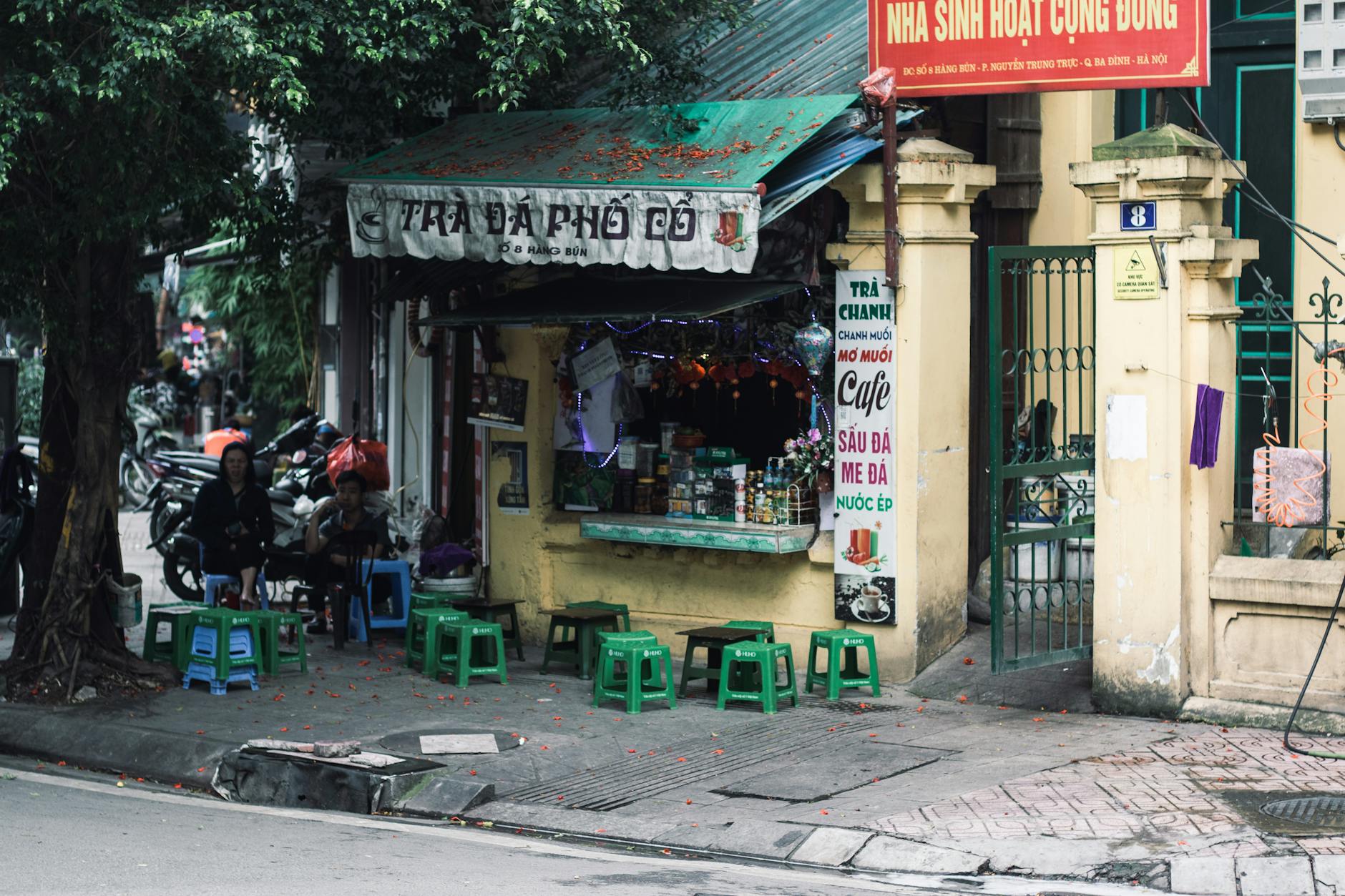
No discussion of Hanoi coffee culture is complete without mentioning the tiny plastic stools. These diminutive seats — often no more than 25cm (10 inches) off the ground — are ubiquitous at traditional street-side cafes. Sitting on one for the first time can feel comically awkward for long-legged foreigners, but there’s a reason they’ve persisted: they’re cheap, stackable, and they create an intimacy and proximity to the street that taller seating simply can’t replicate. Embrace the low stool — it’s part of the experience.
Etiquette Tips
Vietnamese cafe etiquette is relaxed and forgiving, but a few pointers will serve you well:
- Wait for the phin to finish dripping before removing it — rushing is considered poor form.
- It’s fine to linger. Nobody will pressure you to leave. You’re renting the seat as much as buying the coffee.
- Payment is usually at the end, not when ordering. Catch the server’s eye or go to the counter when you’re ready to leave.
- Wet wipes/tissues on the table are usually not free — they’ll be added to your bill (typically 2,000-5,000 VND) if you open them.
- Don’t block motorbike access. If you’re at a street-side cafe, be mindful that the sidewalk is shared space. Move your stool if a motorbike needs to pass.
- Tipping is not expected at most traditional cafes, though it’s appreciated at specialty/tourist-oriented establishments.
Practical Tips for Hanoi Coffee Lovers
Best Times to Visit Cafes
Early morning (6:00-8:00 AM): Experience Hanoi coffee culture at its most authentic. This is when locals gather for their morning ritual. Traditional cafes are bustling but tourist-oriented spots are quiet.
Mid-morning (9:00-11:00 AM): The sweet spot for cafe visits. Most places are open, the morning rush has passed, and you’ll have more space. This is ideal for specialty cafes and rooftop terraces.
Afternoon (2:00-4:00 PM): Hot weather drives many people indoors for iced coffee. A great time for air-conditioned specialty cafes. Tourist-popular spots like Giang Cafe can be crowded.
Golden hour (4:30-6:30 PM): Prime time for rooftop and lakeside cafes. The light is beautiful and the temperature drops to comfortable levels. Arrive early for the best seats.
Coffee Prices in Hanoi
One of the best things about Hanoi coffee culture is its accessibility. Even the finest cafes in the city are affordable by international standards:
- Street-side phin coffee (black): 15,000-25,000 VND ($0.60-1.00)
- Cà phê sữa đá at a local cafe: 20,000-35,000 VND ($0.80-1.40)
- Egg coffee: 30,000-55,000 VND ($1.20-2.20)
- Specialty pour-over: 50,000-80,000 VND ($2.00-3.20)
- Chain cafe (Highlands, Starbucks): 39,000-75,000 VND ($1.60-3.00)
Ordering Coffee in Vietnamese
While many Hanoi cafes have English menus, knowing a few phrases will serve you well, especially at traditional local spots:
- “Cho tôi một cà phê sữa đá” — Give me an iced milk coffee (cho toy moht cah feh soo-ah dah)
- “Cà phê đen nóng” — Hot black coffee (cah feh den nohng)
- “Cà phê đen đá” — Iced black coffee (cah feh den dah)
- “Cà phê trứng” — Egg coffee (cah feh troong)
- “Ít đường” — Less sugar (eet doo-ung)
- “Không đường” — No sugar (kohm doo-ung)
- “Tính tiền” — The bill, please (teen tee-en)
Getting Around Between Cafes
Most of Hanoi’s best cafes are concentrated in the Old Quarter and around Hoan Kiem Lake, making it easy to cafe-hop on foot. For cafes further afield — like those in the Truc Bach, West Lake, or Tay Ho areas — use Grab (Vietnam’s equivalent of Uber) for convenience. A motorbike taxi across the city center rarely exceeds 30,000 VND. For a comprehensive guide to getting around, see our Hanoi Travel Guide.
Frequently Asked Questions About Hanoi Coffee Culture
What makes Vietnamese coffee different from other coffees?
Vietnamese coffee is distinct for several reasons: it primarily uses Robusta beans (rather than the Arabica dominant in most countries), which are higher in caffeine and have a bolder, more bitter flavor profile. The traditional phin drip filter produces a concentrated brew unlike any other method. And the use of sweetened condensed milk instead of fresh milk creates the uniquely rich, sweet flavor profile that defines the Vietnamese coffee experience. Additionally, many Vietnamese roasters add butter, chocolate, or other flavoring agents during roasting, giving the beans a distinctive caramelized character.
Is egg coffee safe to drink?
Yes, egg coffee is safe to drink at established cafes in Hanoi. The egg yolks are whipped vigorously at high speed, and the combination of sugar, heat from the coffee, and the hot water bath the cup sits in all contribute to food safety. Reputable cafes like Giang use eggs sourced from trusted suppliers. That said, if you have a compromised immune system or are pregnant, you may want to exercise the same caution you would with any undercooked egg product.
How much caffeine is in Vietnamese coffee?
Vietnamese Robusta coffee contains significantly more caffeine than Arabica — roughly 2.2-2.7% caffeine by weight compared to Arabica’s 1.2-1.5%. A typical phin-brewed cup of Vietnamese coffee contains approximately 100-200mg of caffeine, comparable to a strong espresso double shot. If you’re sensitive to caffeine, start with a bạc xỉu (mostly milk) or order a half-strength (nhẹ) coffee.
What’s the best cafe in Hanoi for first-timers?
For your very first Hanoi coffee experience, we recommend Giang Cafe for its historical significance and iconic egg coffee, followed by any traditional street-side cafe for a cà phê sữa đá. This one-two combination gives you both Hanoi’s most famous specialty and its most everyday coffee ritual. From there, explore based on your interests — specialty roasters if you’re a coffee geek, rooftop cafes if you love views, or Old Quarter alleyways if you love discovery.
Can I find good coffee outside the Old Quarter?
Absolutely. While the Old Quarter has the highest concentration of cafes, some of Hanoi’s best coffee experiences are found elsewhere. The Truc Bach / West Lake area has a thriving local cafe scene with less tourist traffic. Tay Ho (the expat district) is home to several excellent specialty roasters. And neighborhoods like Dong Da and Ba Dinh have traditional cafes that have served the same neighborhoods for decades. Some of the best food in the city is nearby too — check our Hanoi Food Guide for recommendations.
Do Hanoi cafes have Wi-Fi?
Most cafes in Hanoi offer free Wi-Fi — it’s practically universal, from tiny street stalls to upscale specialty roasters. Speed varies, but is generally sufficient for browsing and messaging. If you need reliable, fast internet for work, chains like Highlands Coffee and The Coffee House tend to have the best connections. Ask for the Wi-Fi password when ordering; it’s often written on a card at the counter or printed on the receipt.
Is Hanoi’s coffee scene suitable for non-coffee drinkers?
Yes! Most Hanoi cafes serve a range of non-coffee beverages including fresh fruit juices, smoothies, tea (both Vietnamese and Western-style), hot chocolate, and lemonades. Giang Cafe even serves their famous whipped egg cream on hot chocolate (ca cao trứng) — all the indulgence without the caffeine. The cafe culture experience in Hanoi is as much about the atmosphere and social ritual as it is about the coffee itself.
Related Hanoi travel guides
Keep planning your trip with these in-depth Hanoi guides: Hanoi food guide, the Old Quarter, things to do in Hanoi, Hanoi travel guide.
Final Thoughts: Why Hanoi Coffee Culture Matters
Hanoi coffee culture is more than a collection of interesting drinks and attractive cafes — it’s a window into the city’s soul. The way Hanoians approach coffee reflects deeper cultural values: patience (waiting for the phin to drip), creativity (inventing egg coffee from wartime necessity), community (the daily ritual of gathering at your local cafe), and adaptability (embracing specialty coffee while honoring traditional methods).
As Vietnam’s coffee industry continues to evolve — with growing emphasis on sustainability, direct trade, and quality over quantity — Hanoi remains the place where all these threads come together. Whether you spend an hour or a week exploring the city’s cafes, you’ll come away with a deeper appreciation for one of the world’s most vibrant and distinctive coffee cultures.
Planning your trip to Hanoi? Explore our complete Hanoi Travel Guide for everything you need to know, from top attractions and street food to navigating the Old Quarter and the best shopping spots.