Hanoi is a city that rewards the curious traveler. From thousand-year-old temples and fascinating museums to vibrant night markets and world-class street food, Vietnam’s capital offers an astonishing range of things to do in Hanoi for every type of visitor. Whether you have two days or two weeks, this guide covers more than 50 of the best Hanoi attractions and experiences to help you plan an unforgettable trip.
Iconic Landmarks and Things to Do in Hanoi
Hoan Kiem Lake and Ngoc Son Temple
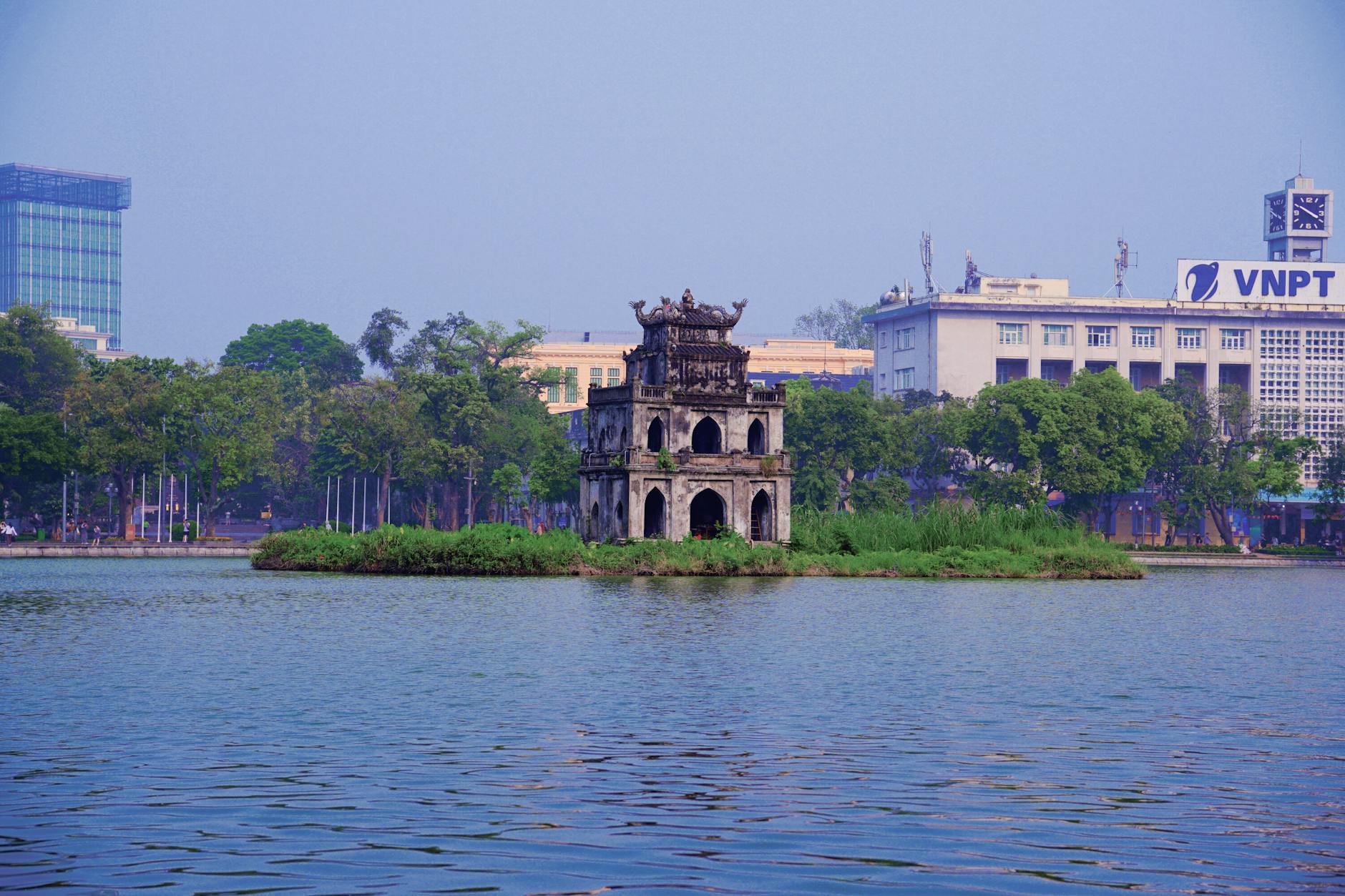
Hoan Kiem Lake sits at the geographic and spiritual heart of Hanoi, separating the chaotic Old Quarter from the tree-lined French Quarter. The lake’s name means “Returned Sword,” referencing the legend of Emperor Le Loi returning a divine sword to a golden turtle after defeating Chinese invaders in the 15th century. A walk around the shore costs nothing, takes as long as you like, and remains one of the top things to do in Hanoi for first-time visitors.
Cross the iconic red-painted The Huc Bridge (“Bridge of the Rising Sun”) to reach Ngoc Son Temple on a small island. This 18th-century temple honors the scholar Van Xuong and military hero Tran Hung Dao. Inside, you’ll find a preserved giant softshell turtle from the lake. The temple opens at 7:00 AM every day, closing at 7:00 PM Monday to Thursday and at 10:00 PM Friday to Sunday and on holidays. Adult admission is 50,000 VND (about $2 USD).
Pro tip: Visit on Friday, Saturday, or Sunday evenings when the streets around the lake are closed to traffic, creating a lively pedestrian zone with live music, street performers, and local families enjoying the car-free atmosphere.
Ho Chi Minh Mausoleum Complex
The Ho Chi Minh Mausoleum is where Vietnam’s founding father lies in state within an imposing granite structure modeled after Lenin’s Mausoleum in Moscow. It is closed for periodic maintenance from September 4 to November 2, 2026, and reopens on November 3; until then you can still see the granite exterior from Ba Dinh Square. Visiting is free, modest dress is expected, and the doors open only in the morning: from April to October 7:30–10:30 AM (until 11:00 AM on weekends and holidays), and from November to March 8:00–11:00 AM (until 11:30 AM on weekends and holidays). The mausoleum is closed on Mondays and Fridays.
The surrounding complex deserves at least two to three hours and includes several additional things to do in Hanoi: the Presidential Palace (a French colonial mansion Ho Chi Minh refused to live in), his modest stilt house and fish pond, and the striking One Pillar Pagoda. Built in 1049 to resemble a lotus blossom emerging from water, the One Pillar Pagoda is one of Vietnam’s most iconic structures despite its small size.
Temple of Literature (Van Mieu)
Founded in 1070 to honor Confucius, the Temple of Literature became Vietnam’s first national university in 1076 and continued operating for over 700 years. Today it is a national symbol of Vietnamese education and architecture, and it belongs on any list of cultural things to do in Hanoi.
The complex spans five courtyards connected by pathways and gates. The third courtyard houses the famous stone stelae, each resting on a carved stone tortoise, which record the names of doctoral graduates from examinations held between 1442 and 1779. The fifth courtyard contains the main altar dedicated to Confucius and his disciples. Admission is 70,000 VND for adults, and the temple is open daily from 8:00 AM to 5:00 PM.
Things to Do in Hanoi: Cultural Experiences
Thang Long Water Puppet Theatre
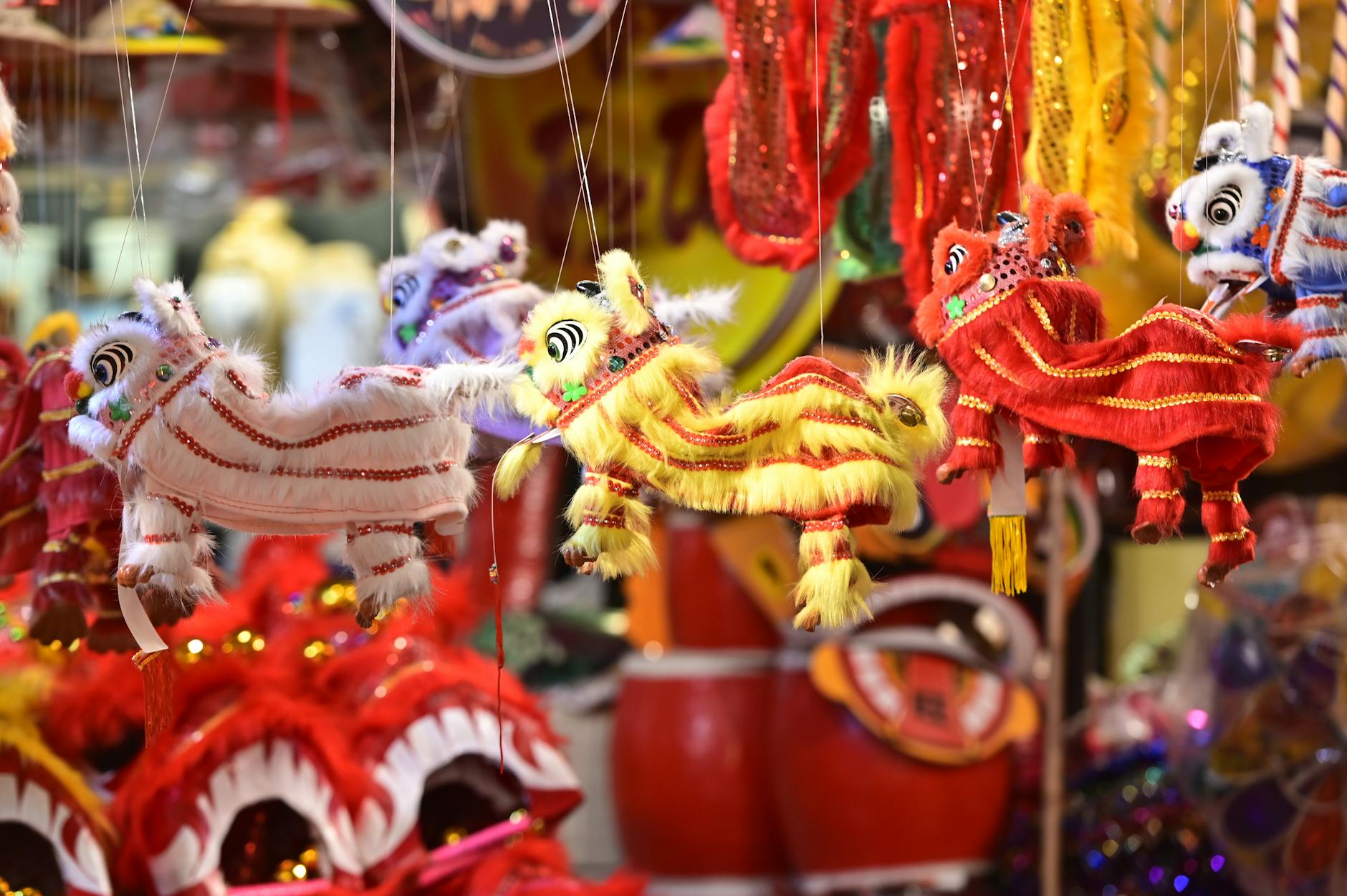
Water puppetry (mua roi nuoc) began in the rice fields of the Red River Delta around a thousand years ago and remains one of the most distinctive things to do in Hanoi. Puppeteers stand waist-deep behind a bamboo screen, manipulating lacquered wooden puppets on the water’s surface while a live orchestra plays traditional instruments including drums, wooden bells, and bamboo flutes.
The Thang Long Water Puppet Theatre on the north shore of Hoan Kiem Lake runs multiple 50-minute shows daily. Performances tell folk tales, historical legends, and scenes from rural Vietnamese life — no Vietnamese language skills needed, as the visual storytelling is universal. Tickets cost approximately 100,000 VND ($4 USD) for standard seating and sell out quickly, so booking a day in advance is recommended.
Vietnamese Cooking Classes
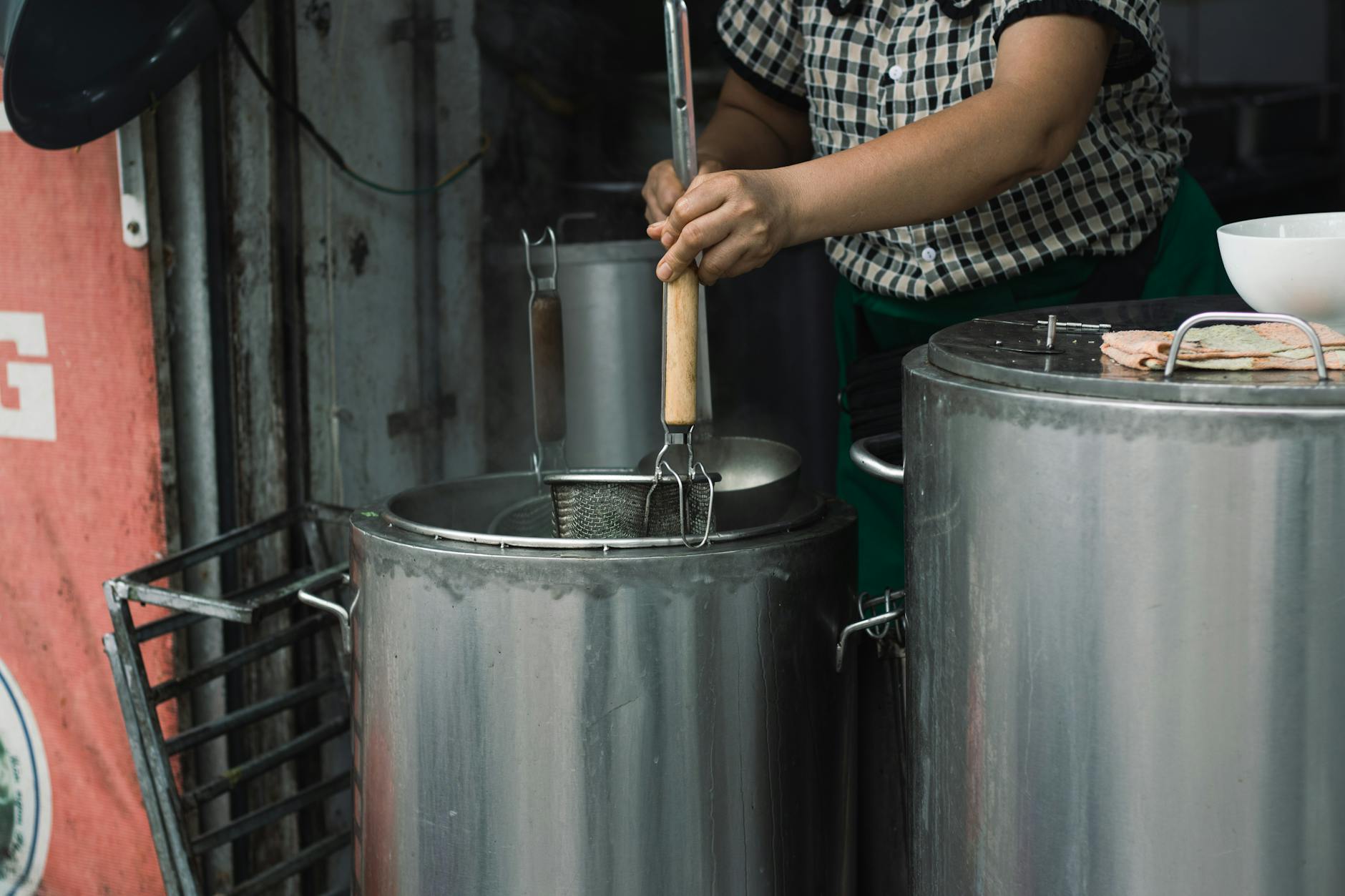
A cooking class is one of the most rewarding things to do in Hanoi, combining a market visit with hands-on preparation of classic Vietnamese dishes. Most classes begin at a local market where your chef-guide explains ingredients like fresh herbs, rice noodles, fish sauce varieties, and seasonal produce before heading to the kitchen.
Group classes typically cost $30–45 USD per person for a three-hour session that includes preparing four to five dishes such as pho, spring rolls, banh xeo (sizzling crepes), and Vietnamese coffee desserts. Popular cooking schools include Apron Up, Chef Duyen’s Kitchen, and Hanoi Cooking Centre. Private sessions cost $80–120 per person and allow you to customize the menu. Most classes provide recipe booklets, a completion certificate, and — best of all — you eat everything you prepare.
Traditional Craft Villages
Hanoi is surrounded by centuries-old craft villages, each specializing in a unique trade. Van Phuc Silk Village (around 10 km from central Hanoi) has more than 1,000 years of silk-weaving history, and visitors can look round its workshops and learn how the silk is produced. Bat Trang Ceramic Village (about 14 km from Hanoi) has been making pottery for over 700 years — visitors can shape a piece themselves and take it home once it has dried.
Quang Phu Cau Incense Village (about 35 km south) is known across the region for its incense-making. Full-day craft village tours typically cost $60–80 per person including transportation, entrance fees, and lunch at a local home.
Hanoi Opera House
Built by the French in 1911 and modeled after the Palais Garnier in Paris, the Hanoi Opera House is a stunning architectural landmark on Trang Tien Street. The interior closed to visitors after January 2026 for a restoration expected to last about two years, so for now the exterior is the thing to see, especially when illuminated at night.
Exploring Hanoi’s Historic Neighborhoods
The Old Quarter (36 Streets)
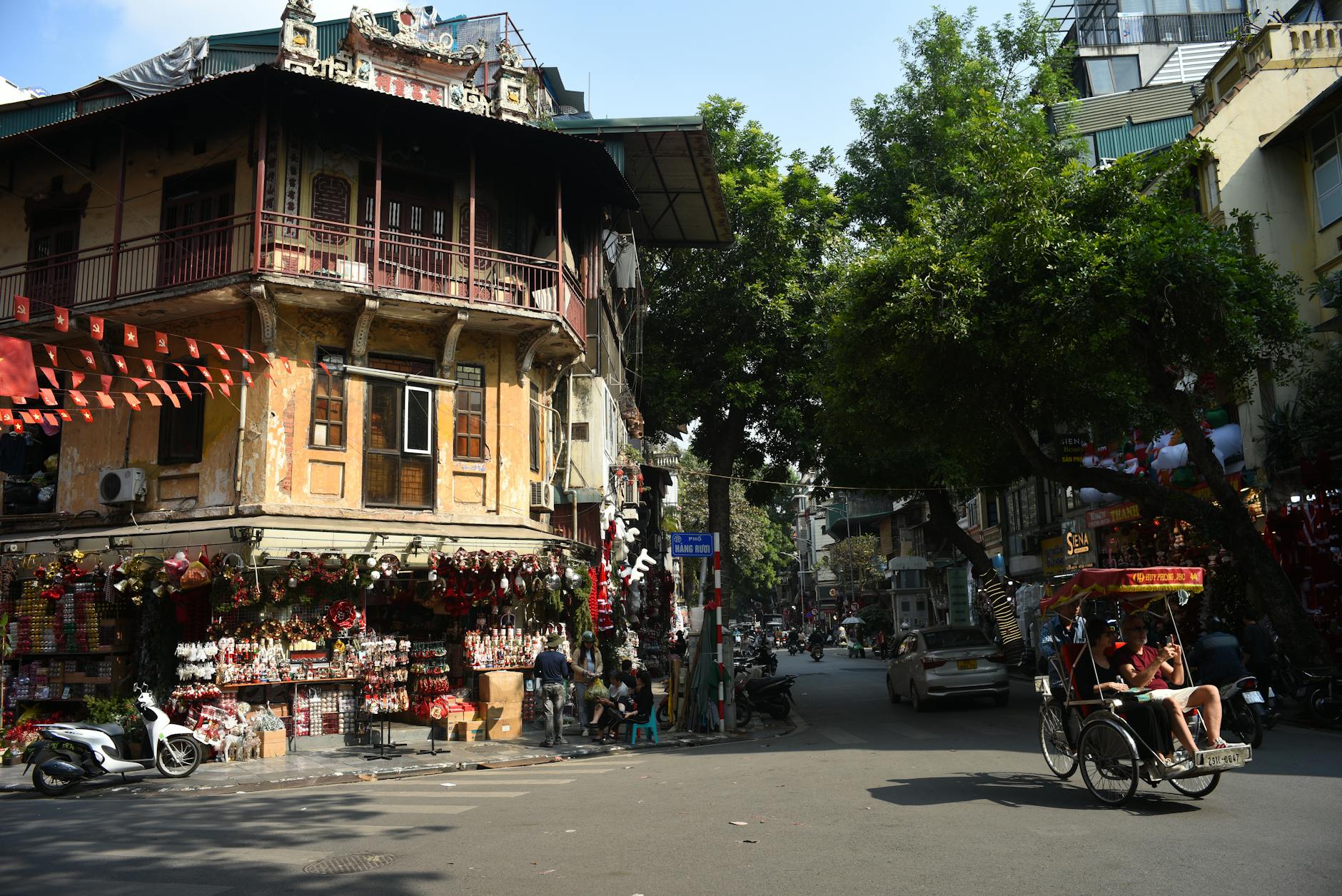
Wandering the Old Quarter is one of the essential things to do in Hanoi. Traditionally known as the “36 streets,” the old trading district north of Hoan Kiem Lake takes in 76 streets within its official boundary, and many still carry the names of trades once practiced there — Hang Bac (Silver Street), Hang Ma (Paper Street), and so on, while Hang Gai is now known as Silk Street. While the strict guild system has loosened, many streets still loosely specialize in particular products.
The best approach is to simply walk and get intentionally lost. Duck into narrow alleys (called ngo) to discover hidden temples, communal houses, and tiny cafes serving egg coffee. Stop at a bia hoi (fresh beer) corner where you can sit on miniature plastic stools and drink freshly brewed draft beer for as little as 5,000 VND ($0.20 USD) per glass. For a guided experience, walking tours and cyclo (pedal rickshaw) rides through the quarter typically cost $10–25 per person.
French Quarter
South and east of Hoan Kiem Lake, the French Quarter features wide, tree-lined boulevards and elegant colonial architecture that transports you to another era. Key landmarks include the Hanoi Opera House, St. Joseph’s Cathedral (a neo-Gothic church built in 1886 that bears a striking resemblance to Notre-Dame de Paris), and the Sofitel Legend Metropole Hotel, where literary figures and diplomats have stayed since 1901.
The area around Nha Tho (Church Street) and Ly Thai To Street is packed with upscale boutiques, galleries, and atmospheric cafes housed in restored colonial buildings, making it one of the more relaxed things to do in Hanoi for an afternoon stroll.
West Lake (Ho Tay)
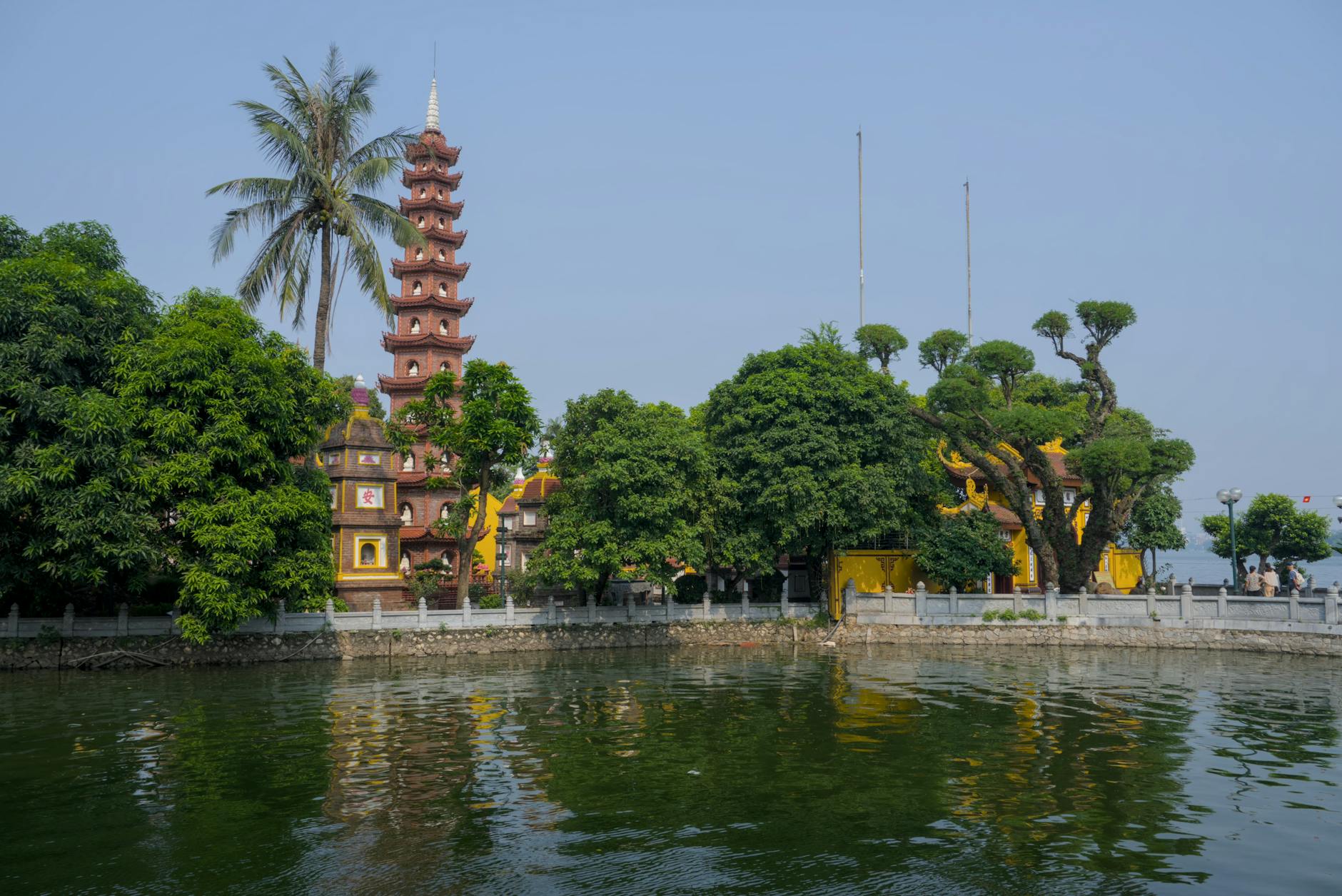
Hanoi’s largest lake, Ho Tay (West Lake), covers 500 hectares and offers a completely different pace from the Old Quarter. The full circuit of the lake runs about 17 km, comfortable by bicycle and a long walk on foot, and passes Tran Quoc Pagoda — the oldest Buddhist temple in Hanoi, founded in the 6th century — and Quan Thanh Temple. The lakeside road is also home to many of Hanoi’s best restaurants and rooftop bars.
Museums and Historical Things to Do in Hanoi
Vietnam Museum of Ethnology
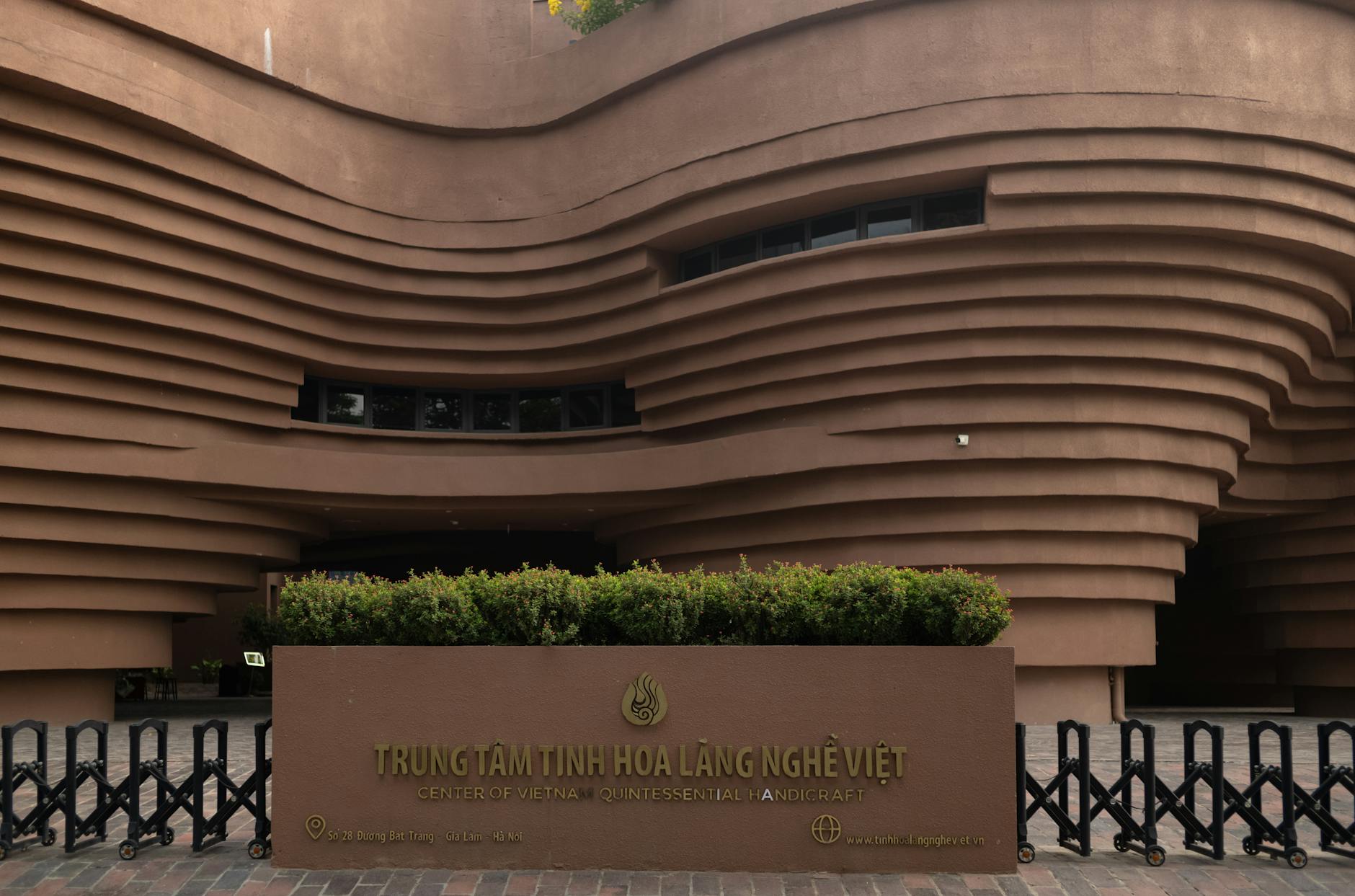
The Vietnam Museum of Ethnology documents the cultures, traditions, and daily lives of Vietnam’s 54 officially recognized ethnic groups. The indoor galleries display textiles, musical instruments, tools, and ceremonial objects, with much more of the collection kept in storage. The outdoor section features full-scale replicas of traditional houses, including an impressive 19-meter-tall Bahnar communal house.
The museum is located about 7 km west of the Old Quarter (easily reached by taxi for 60,000–80,000 VND). Check the current admission at the ticket desk, and plan at least two to three hours for a thorough visit. It is open every day, Mondays included, from 8:00 AM to 5:00 PM.
Hoa Lo Prison (Hanoi Hilton)
French colonists began building Hoa Lo Prison in 1896 to hold Vietnamese political prisoners. It later gained international fame during the Vietnam War when it held American prisoners of war, including future Senator John McCain, and the POWs sarcastically nicknamed it the “Hanoi Hilton.” The museum preserves reconstructed cells, original leg irons, and a French guillotine, with bilingual displays covering both eras of the prison’s dark history. Admission is 50,000 VND.
Vietnam National Museum of History
Housed in a beautiful French colonial building, this museum traces Vietnamese civilization from prehistoric times through every major dynasty, colonial period, and modern era. Highlights include Bronze Age Dong Son drums, Cham kingdom sculptures, and artifacts from the revolutionary period. The museum sits just behind the Opera House, charges 40,000 VND admission, and is open Tuesday to Sunday, 8:00 AM–12:00 PM and 1:30–5:00 PM. It closes every Monday.
Imperial Citadel of Thang Long
This UNESCO World Heritage Site preserves thirteen centuries of history as a seat of power, including Thang Long’s time as the imperial capital from the 11th to the 18th century. Excavations have uncovered layers of history from the 7th to the 20th century, including palace foundations, ancient wells, and thousands of artifacts. The Flag Tower (Cot Co), built in 1812 under the Nguyen dynasty, survived the French demolition of the citadel and is among its surviving historic structures. Admission is 100,000 VND for adults.
Things to Do in Hanoi at Night
Night Markets and Street Food
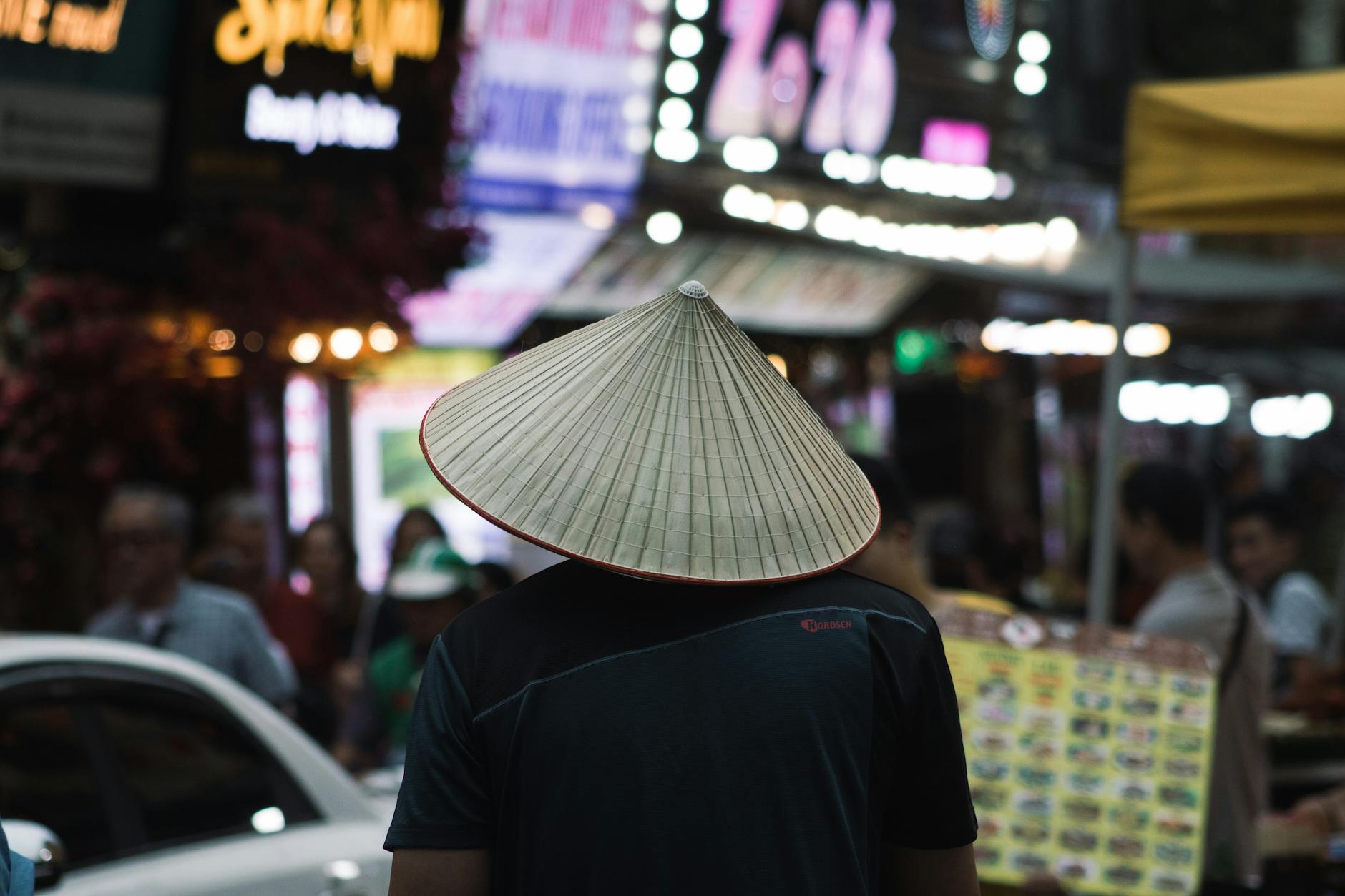
The Hanoi Night Market runs every Friday, Saturday, and Sunday evening from 6:00 PM to 11:00 PM along the pedestrian route from Hang Dao Street north to Dong Xuan Market. Hundreds of stalls sell everything from clothing and souvenirs to lacquerware and handmade jewelry. The real draw, however, is the food: grilled meats on skewers, fresh spring rolls, banh mi, coconut ice cream, and sweet che (Vietnamese dessert soup).
For a more local nighttime food experience, end the evening with a steaming bowl of beef pho from a late-night stall in the Old Quarter. Midnight pho is a beloved Hanoi tradition and one of the most authentic things to do in Hanoi after dark.
Bia Hoi Corner and Ta Hien Street
Ta Hien Street (nicknamed “Beer Street” or “International Street”) is the epicenter of Hanoi’s backpacker nightlife. Every evening, the pavement fills with tiny plastic chairs and tables as locals and visitors sit shoulder-to-shoulder drinking bia hoi (fresh draft beer brewed daily), sharing plates of grilled squid, peanuts, and spring rolls. The atmosphere is electric, unpretentious, and quintessentially Hanoi. Beer prices start at just 5,000–10,000 VND per glass.
Rooftop Bars and Live Music
For a more sophisticated evening, Hanoi’s rooftop bar scene has exploded in recent years. Summit Lounge at the Pan Pacific Hotel, Top of Hanoi on the 67th floor of Lotte Hotel Hanoi (change elevators on the 65th), and Terraço Sky Bar offer panoramic city views with craft cocktails ranging from 150,000–350,000 VND. For live music, Minh’s Jazz Club on Luong Van Can Street hosts nightly performances in an intimate, dimly lit setting — Minh himself occasionally takes the stage.
Outdoor Activities and Things to Do in Hanoi
Cycling Tours
Cycling is one of the best ways to experience Hanoi beyond the tourist center. Half-day countryside tours (typically $30–50 per person) take you across the Red River to rural villages, past rice paddies, through banana groves, and along quiet dike roads where water buffalo graze. City cycling tours navigate the Old Quarter’s narrow lanes, French Quarter boulevards, and lakeside paths with an expert guide who knows the safest routes through Hanoi’s famously intense traffic.
Tai Chi and Morning Exercise at Hoan Kiem Lake
Every morning at dawn, hundreds of Hanoians gather around Hoan Kiem Lake for communal exercise. You’ll see groups practicing tai chi, aerobic dance routines, badminton matches, and gentle stretching sessions. Joining in is free, welcomed, and one of the most charming things to do in Hanoi to start your day like a local. Arrive between 5:30 and 6:30 AM for the liveliest atmosphere.
Long Bien Bridge Walk
The cantilever Long Bien Bridge, designed and built by Daydé & Pillé and completed in 1902, spans the Red River. Walking across provides sweeping views of the river, banana island farms below, and the Hanoi skyline. Visit at sunrise for the best light and fewer motorbikes. From the bridge’s east end, you can descend to Banana Island (Bai Giua), a rural farming community that feels worlds away from central Hanoi.
Best Day Trips from Hanoi
Ha Long Bay
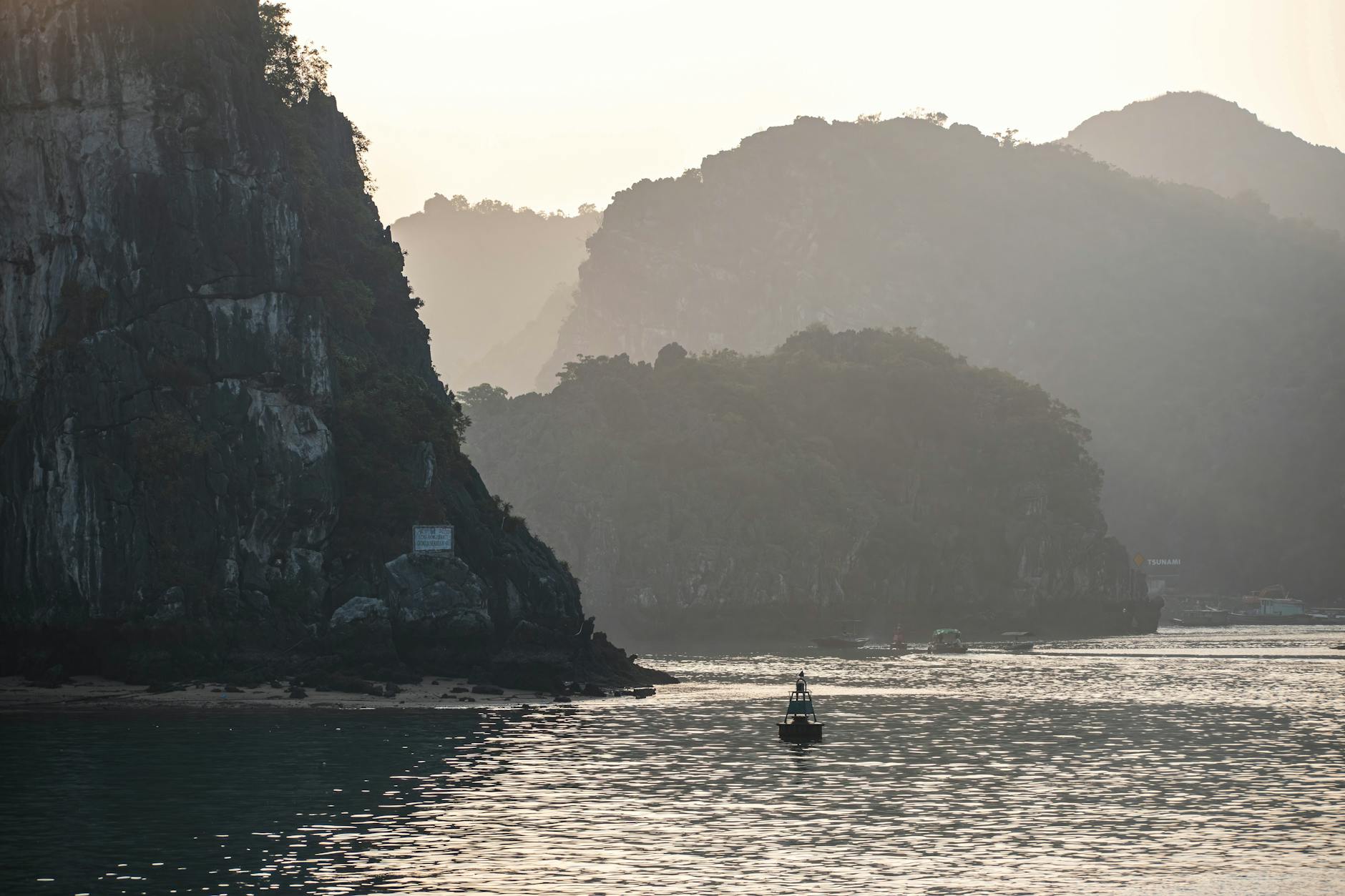
Ha Long Bay, a UNESCO World Heritage Site on the coast of Quang Ninh, features nearly 2,000 limestone karsts and islands rising from emerald-green waters. Day trips depart early (around 5:00 AM) and return by evening, typically costing $45–80 per person including transportation, cruise, lunch, and cave visits. However, an overnight cruise ($120–300 per person) is highly recommended to fully appreciate the bay’s scale, catch a sunset on the water, and explore sea caves by kayak at dawn.
For a less crowded alternative, Lan Ha Bay (adjacent to Ha Long Bay) offers similar scenery with fewer tour boats and better opportunities for kayaking, swimming, and visiting floating fishing villages.
Ninh Binh and Tam Coc
Often called “Ha Long Bay on land,” Ninh Binh province (about 100 km south of Hanoi, roughly two hours by road or train) features towering limestone karsts surrounded by vivid green rice paddies and winding rivers. The highlight is a boat ride through Tam Coc, where you drift through three natural caves carved through the mountains while surrounded by terraced rice fields. The nearby Trang An Landscape Complex is a UNESCO World Heritage Site with its own boat rides through limestone caves.
Day trips cost $35–55 per person and usually include Tam Coc, Bich Dong Pagoda (a stunning temple built into a limestone cliff), and the ancient capital of Hoa Lu. For a more adventurous experience, rent a motorbike or bicycle in Tam Coc and explore the area’s back roads independently.
Perfume Pagoda (Chua Huong)
Located 60 km southwest of Hanoi, the Perfume Pagoda is a vast complex of Buddhist temples and shrines built into the limestone Huong Tich mountains. Getting there is half the experience: a one-hour sampan boat ride through flooded rice paddies surrounded by karst mountains, followed by a cable car ride or a one-hour hike to the main grotto temple. The festival season (February to April) draws huge crowds of Vietnamese pilgrims but also offers the most colorful atmosphere. Day tours cost $40–65 per person.
Cuc Phuong National Park
Vietnam’s first national park lies about 120 km south of Hanoi and is home to an astonishing diversity of wildlife, including 336 bird species, endangered Delacour’s langurs, and a thousand-year-old cho chi tree. Day trips include guided jungle treks, visits to the Endangered Primate Rescue Center, and a stop at a Muong ethnic village. The park is particularly beautiful from April to June when thousands of butterflies fill the forest.
Unique and Off-the-Beaten-Path Things to Do in Hanoi
Train Street
One of Hanoi’s most surreal attractions, Train Street is a narrow residential lane where houses are built just inches from an active railway track. Several times a day a full-size train thunders through the gap. Authorities closed the street to tourists in October 2019 over safety concerns, so access is restricted; check current conditions before visiting and follow the instructions of anyone on site.
Long Bien Morning Market
For an authentic local experience, set your alarm early and visit Long Bien Market before dawn. Running through the night into the early morning, this wholesale market is where Hanoi’s restaurants and food stalls stock up on the day’s produce. Mountains of tropical fruit, fresh flowers, live fish, and fragrant herbs create a sensory overload. It’s not set up for tourists, which makes it one of the most genuine things to do in Hanoi for experiencing daily life.
Egg Coffee at a Hidden Cafe
Ca phe trung (egg coffee) was invented in Hanoi in 1946 by a bartender at the Sofitel Metropole who substituted whipped egg yolk when milk was scarce. The result — a rich, custard-like foam atop strong Vietnamese coffee — has become a citywide obsession. Cafe Giang (the original, now run by the inventor’s son) and Cafe Dinh are the most famous spots, but hunting down hidden alley cafes serving their own variations is one of the most enjoyable things to do in Hanoi for food lovers.
Ceramic Mosaic Wall
Stretching nearly 4 km along the Red River dike, the Hanoi Ceramic Mosaic Wall was recognized by Guinness World Records in 2010. Created between 2007 and 2010 to celebrate Hanoi’s 1,000th anniversary, the wall depicts scenes from Vietnamese history, folklore, and daily life using thousands of ceramic tiles. You can walk or cycle along its length starting near the Long Bien Bridge.
Practical Tips for Things to Do in Hanoi
Best Time to Visit
Hanoi is a year-round destination, but the most comfortable months are October through December and March through April, when temperatures are pleasant and rainfall is low. Summer (June to August) brings intense heat and heavy monsoon rains, while winter (December to February) can be surprisingly chilly and gray. That said, each season offers unique things to do in Hanoi, from Tet (Lunar New Year) festivities in January/February to the Mid-Autumn Festival in September or October.
Getting Around for Sightseeing
Most central attractions are walkable from the Old Quarter. For longer distances, Grab (Southeast Asia’s Uber equivalent) is reliable and affordable, and the app shows the fare before you book. Rides on Hanoi’s subsidized city buses within Ring Road 1, the inner ring around the historic center, are free from July 1, 2026 to June 30, 2027. For day trips, join organized tours or hire a private car and driver (typically $50–80 per day). Renting a motorbike is possible but only recommended for experienced riders comfortable with Hanoi’s dense traffic.
Budget Planning
Hanoi offers exceptional value for travelers. Entry fees at the big sights stay modest: 50,000 VND for Ngoc Son Temple, 70,000 VND for the Temple of Literature and 100,000 VND ($4 USD) for the Imperial Citadel. Street food meals cost 30,000–60,000 VND ($1.20–2.40 USD). Mid-range restaurant dinners run 150,000–300,000 VND ($6–12 USD). Budget travelers can comfortably enjoy a full day of sightseeing, including meals, transport, and one or two paid attractions, for under $20 USD. Mid-range travelers spending $50–80 per day can experience everything Hanoi offers in considerable comfort.
Booking Tips
Book water puppet show tickets at least one day ahead, especially during peak season (October to March). Ha Long Bay overnight cruises should be reserved one to two weeks in advance. Cooking classes can usually be booked one to two days ahead, but popular schools fill up on weekends. For most temple and museum visits, you can simply show up — no advance booking needed.
Quick Reference: Top Things to Do in Hanoi
| Activity | Cost (VND) | Cost (USD) | Suggested Time | Best For |
|---|---|---|---|---|
| Hoan Kiem Lake walk | Free | Free | 30–60 min | Everyone |
| Ngoc Son Temple | 50,000 | $2.00 | 30 min | History lovers |
| Ho Chi Minh Mausoleum | Free | Free | 2–3 hours | History lovers |
| Temple of Literature | 70,000 | $2.80 | 1–2 hours | Culture seekers |
| Water Puppet Show | 100,000 | $4.00 | 50 min | Families, couples |
| Cooking Class | 750,000–1,125,000 | $30–45 | 3 hours | Foodies |
| Old Quarter Walking Tour | 250,000–625,000 | $10–25 | 2–3 hours | Everyone |
| Museum of Ethnology | 40,000 | $1.60 | 2–3 hours | Culture seekers |
| Hoa Lo Prison | 50,000 | $2.00 | 1 hour | History lovers |
| Night Market | Free entry | Free entry | 1–2 hours | Everyone |
| Ha Long Bay day trip | 1,125,000–2,000,000 | $45–80 | Full day | Nature lovers |
| Ninh Binh day trip | 875,000–1,375,000 | $35–55 | Full day | Adventure seekers |
Plan Your Hanoi Adventure
With so many incredible things to do in Hanoi, the hardest part is deciding where to begin. Start with the iconic landmarks around Hoan Kiem Lake, dive into the sensory overload of the Old Quarter, then expand outward to museums, day trips, and hidden gems. Hanoi rewards those who slow down, look around corners, and say yes to unexpected detours.
Ready to explore more? Check out our detailed guides on the Hanoi Old Quarter, Hanoi’s legendary food scene, and Hanoi’s culture and history for deeper dives into the city’s most fascinating dimensions.
More things to do in Hanoi
Ready to fill your days? These guides break down the city’s best experiences by mood and interest:
- Free Things to Do in Hanoi: Budget Activities
- Unique Experiences in Hanoi: Off-the-Beaten-Path
- Hanoi Rainy Day Activities: Indoor Fun Guide
- Hanoi at Night: Evening Activities & Nightlife
- Romantic Things to Do in Hanoi: Date Ideas
- Adventure Activities Near Hanoi: Outdoor Excursions
- Cultural Experiences in Hanoi: Art & Traditions
- Hanoi Museums Guide: Complete List & Reviews
- Hanoi Walking Tours: Self-Guided & Organized
- Water Puppet Shows Hanoi: Tickets, Venues & Info
- Hoan Kiem Lake Activities: Walks, Food & Views
Keep planning: explore our guides to Hanoi itineraries, the Old Quarter, day trips from Hanoi, Hanoi nightlife.