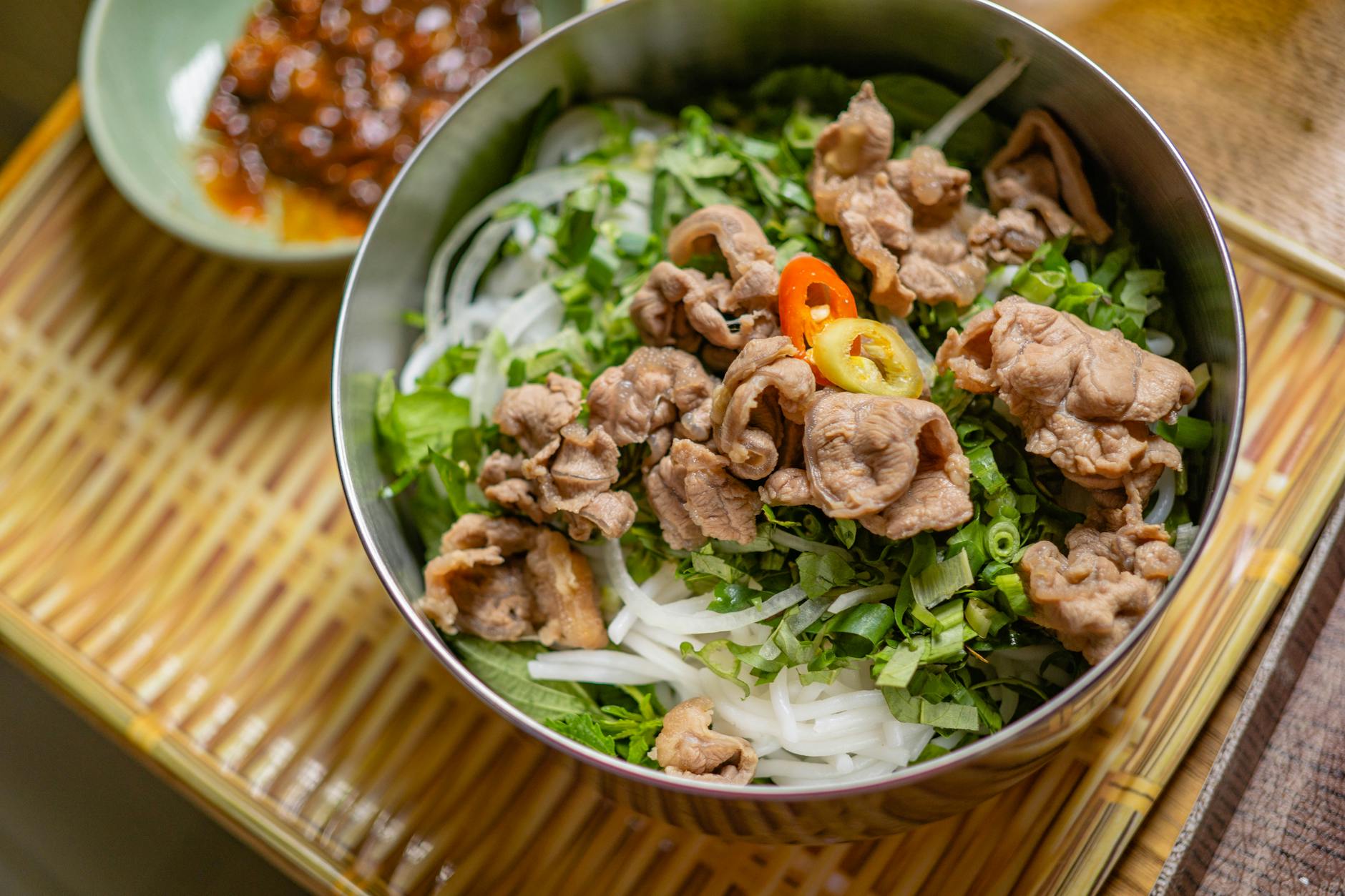
Hanoi is often called the culinary capital of Vietnam, and for good reason. This comprehensive hanoi food guide will take you through the winding streets of the Old Quarter and beyond to discover the authentic flavors that have defined Vietnamese cuisine for centuries. From the steaming bowls of pho at dawn to the bustling night markets and hidden family recipes passed down through generations, Hanoi’s food scene is a living testament to the city’s rich history and vibrant culture.
Whether you’re a street food adventurer willing to sit on tiny plastic stools or a fine dining enthusiast seeking sophisticated interpretations of classic dishes, this hanoi food guide offers practical tips, specific restaurant recommendations, real prices, and insider knowledge to help you eat like a local and experience Hanoi’s food culture authentically.
Hanoi Food Guide: Must-Try Dishes
No visit to Hanoi is complete without tasting the signature dishes that put this city on the culinary map. These aren’t just foods—they’re cultural institutions, often served at restaurants that have been family-run for decades.
Pho – The Soul of Hanoi Cuisine
Pho originated in Hanoi in the early 20th century, evolving from Chinese noodle dishes with French influence during the colonial period. What started as a street vendor’s creation has become Vietnam’s national dish, with Hanoi’s version considered the most authentic.
The magic of great pho lies in the broth, simmered for 12+ hours with beef bones, charred onions, star anise, cinnamon, and cloves. You’ll find two main varieties in Hanoi: Pho Bo (beef) and Pho Ga (chicken). Pho Bo is richer and more complex, while Pho Ga is lighter and often preferred for lunch. A steaming bowl costs 30,000-50,000 VND ($1.50-$2.50 USD).
Top Pho Restaurants:
- Pho Gia Truyen Bat Dan – The legendary original pho shop that inspired countless others. Family-run since 1946, this tiny stall on Bat Dan street serves rich, authentic pho in the Old Quarter. Arrive before 10 AM as they often sell out.
- Pho 10 – Located on Ly Quoc Su street, Pho 10 is a Hanoi institution famous for its perfectly balanced broth and tender beef.
- Pho Thin – Another famous name, known for consistent quality and affordable pricing.
Bun Cha – The Celebrity Dish
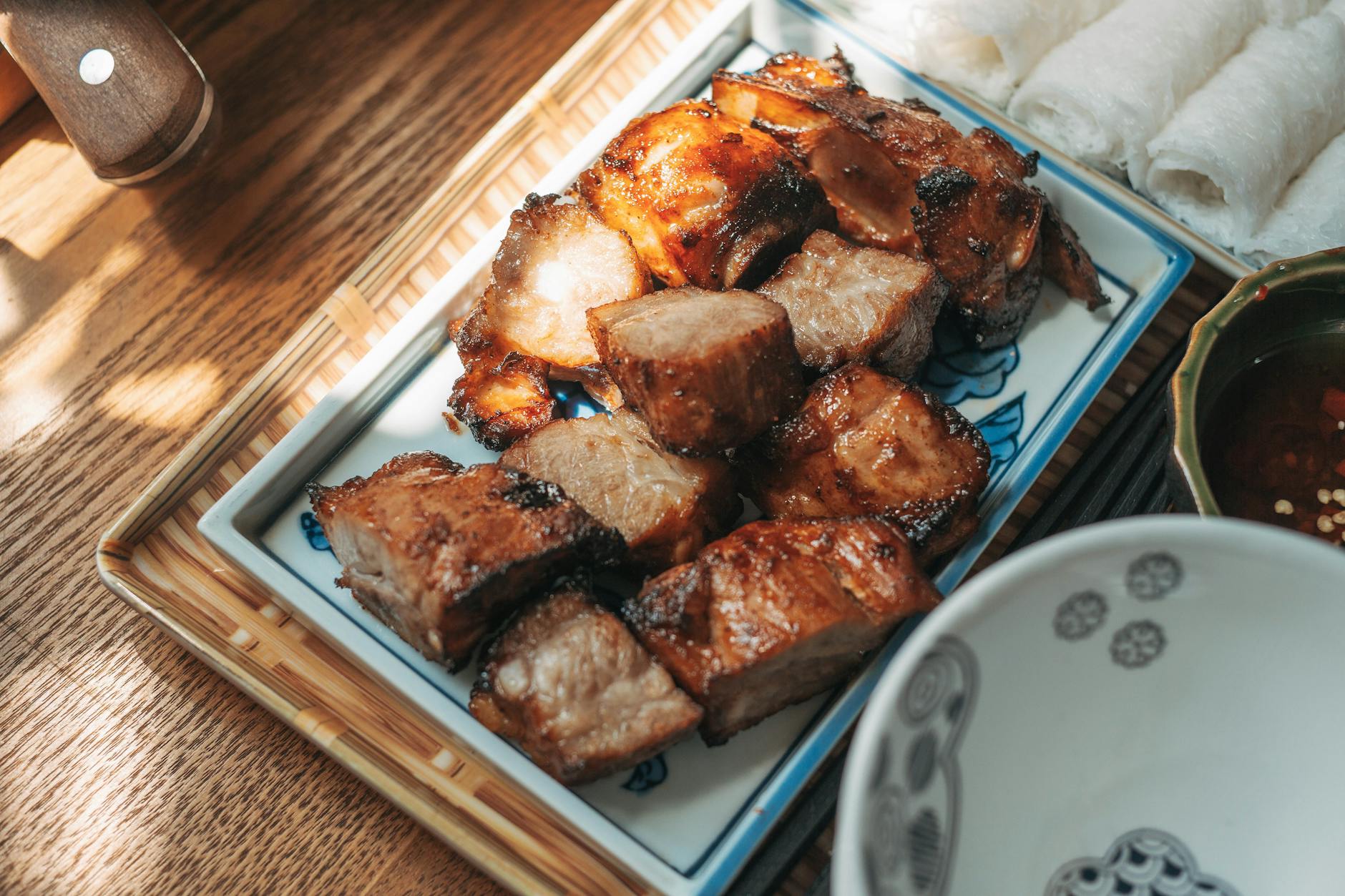
Bun Cha gained international fame when President Barack Obama and celebrity chef Anthony Bourdain shared a meal at Bun Cha Huong Lien during Obama’s 2016 visit to Hanoi. The dish features smoky grilled pork patties (cha) served with cold rice noodles (bun), fresh herbs, and a sweet-sour dipping sauce.
The grilled pork is marinated in garlic, lemongrass, and fish sauce, then charred over charcoal to create a caramelized exterior. The interplay of smoky, sweet, salty, and sour flavors defines this hanoi food guide essential. Expect to pay 40,000-60,000 VND ($2-$3 USD) for a full meal with extra rolls.
Top Bun Cha Restaurants:
- Bun Cha Huong Lien (24 Le Nhan Tong) – Famous as the “Obama Restaurant,” this humble spot serves excellent bun cha in an authentic neighborhood setting.
- Bun Cha 74 Hang Quat – A beloved local favorite in the Old Quarter with consistent quality and proper technique.
- Bun Cha Hang Manh – Known for particularly flavorful grilled pork prepared over real charcoal.
Cha Ca La Vong – Turmeric Fish Specialty
This fragrant, golden dish is unique to Hanoi and rarely found elsewhere in Vietnam. White fish (usually catfish or monkfish) is marinated in turmeric and grilled, then served with fresh dill, green onions, and a peanut-dipping sauce. The combination of earthy turmeric, aromatic herbs, and rich fish creates a symphony of flavors that exemplifies Hanoi’s culinary sophistication.
The experience is interactive—you cook the fish and herbs in a small charcoal brazier at your table, adding rice noodles and adjusting seasoning as you go. A serving runs approximately 150,000 VND ($7 USD), making it one of the pricier dishes in this hanoi food guide but absolutely worth it.
Top Restaurant: Cha Ca La Vong (14 Cha Ca Street) – The original and still the best. This institution has been serving cha ca since 1958 and remains the gold standard. The narrow street itself is named after the dish and lined with competing restaurants, but Cha Ca La Vong is the one with the history.
Banh Mi – French-Vietnamese Fusion
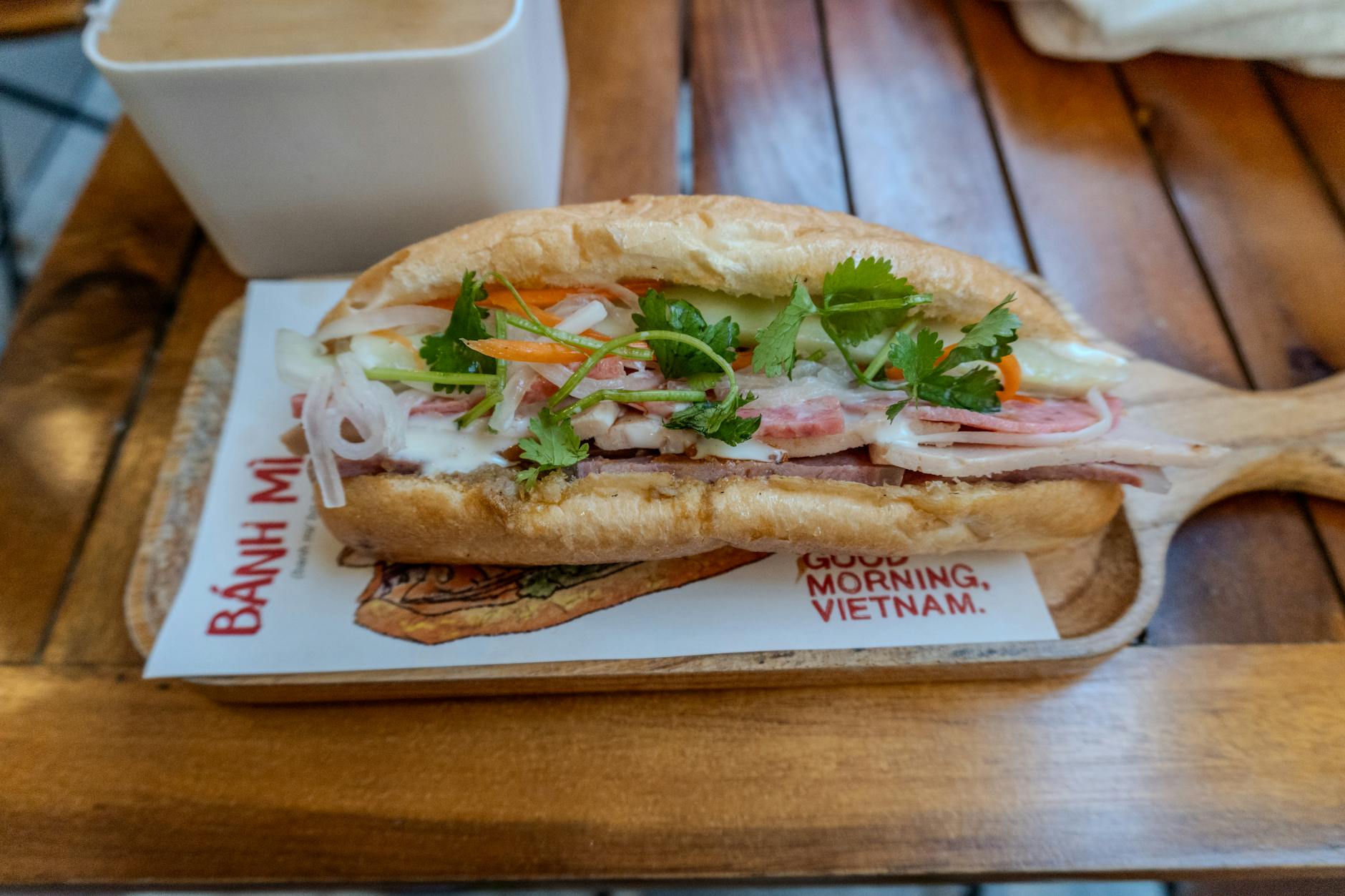
Banh mi represents the culinary marriage of French and Vietnamese traditions. A crispy baguette (legacy of French colonialism) is filled with Vietnamese ingredients: grilled or pâté meats, pickled vegetables, cilantro, and chili, finished with a spread of mayonnaise and sometimes butter.
Popular fillings include thit nuong (grilled pork), cha lua (Vietnamese ham), pate, and even fried eggs. The contrast between crispy bread, cool pickled vegetables, and rich meats makes banh mi an addiction. Budget 15,000-30,000 VND ($0.75-$1.50 USD) for an excellent banh mi at street stalls, 50,000+ VND at upscale versions.
Top Banh Mi Vendors:
- Banh Mi 25 (25 Hang Manh) – Famous for fresh ingredients and proper proportions
- Banh Mi Pho Hue – Known for excellent pate and traditional preparation
- Any stall in the Old Quarter – Hanoi’s Old Quarter is dotted with banh mi vendors; quality is generally very good
Other Essential Hanoi Dishes
Banh Cuon (Steamed Rice Rolls) – Thin, delicate rice paper stuffed with minced shrimp and pork, mushrooms, and onions. Served with nuoc mam dipping sauce. You’ll find Banh Cuon Gia Truyen (27 Hang Thanh) as the most famous spot, charging 30,000-40,000 VND for a plate.
Bun Thang – An elaborate Hanoi specialty featuring rice noodles in a complex broth made with chicken, crab, and shrimp. The dish is garnished with shredded chicken, crab meat, fried shallots, and lime. It’s lighter than pho but more involved.
Bun Rieu – A tomato-based crab noodle soup with a layered, slightly sweet flavor. Often served with snails (oc) and blood cake (mam tom). This is distinctly Hanoi cooking at its best.
Hanoi Food Guide: Street Food Culture
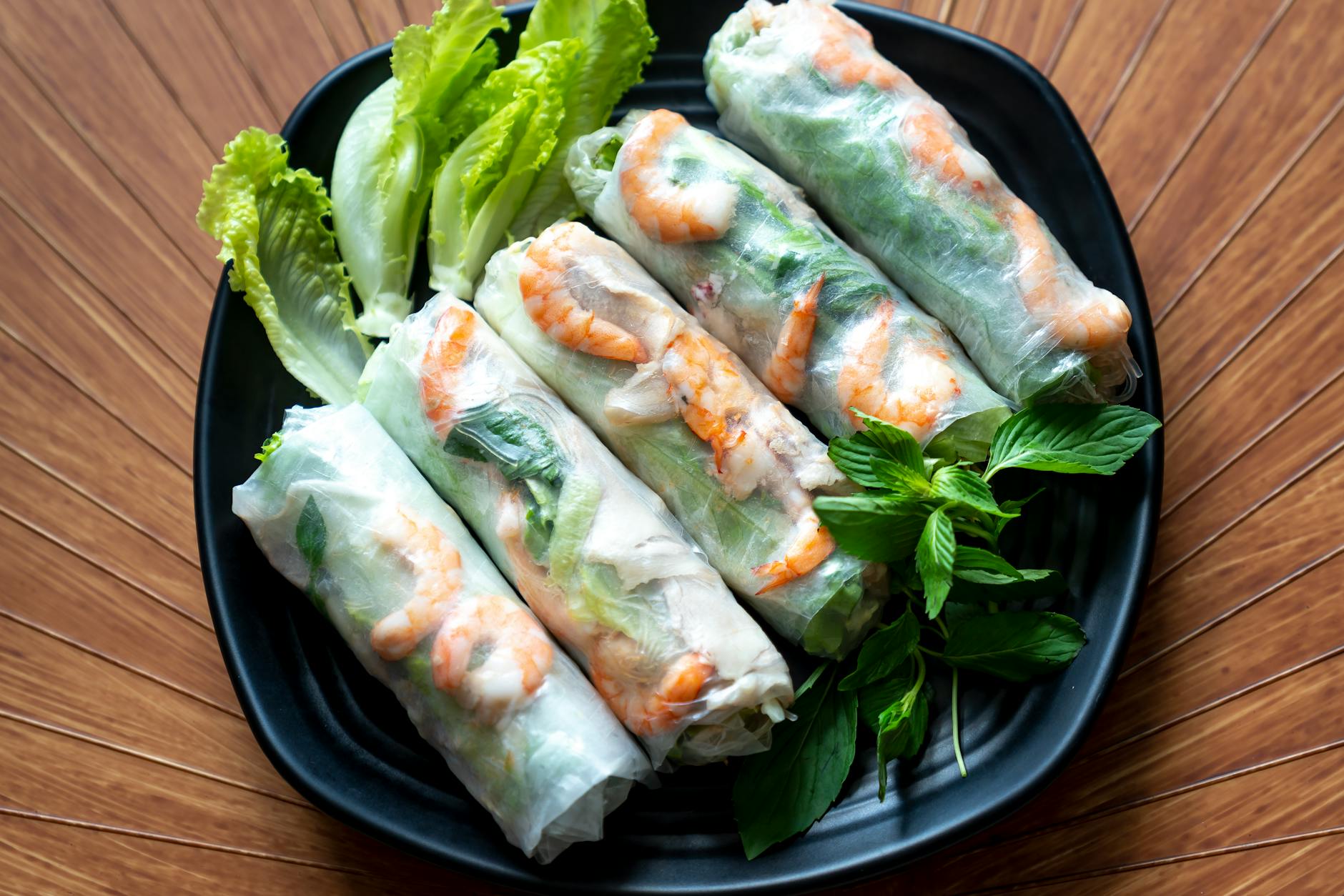
Street food is the beating heart of Hanoi’s food scene. Unlike Western cities where street food is often considered marginal, in Hanoi it represents the most authentic and highest-quality cooking. Some of the city’s best dishes are served from push-carts, tiny shop-houses, and sidewalk stalls.
How Street Food Works in Hanoi
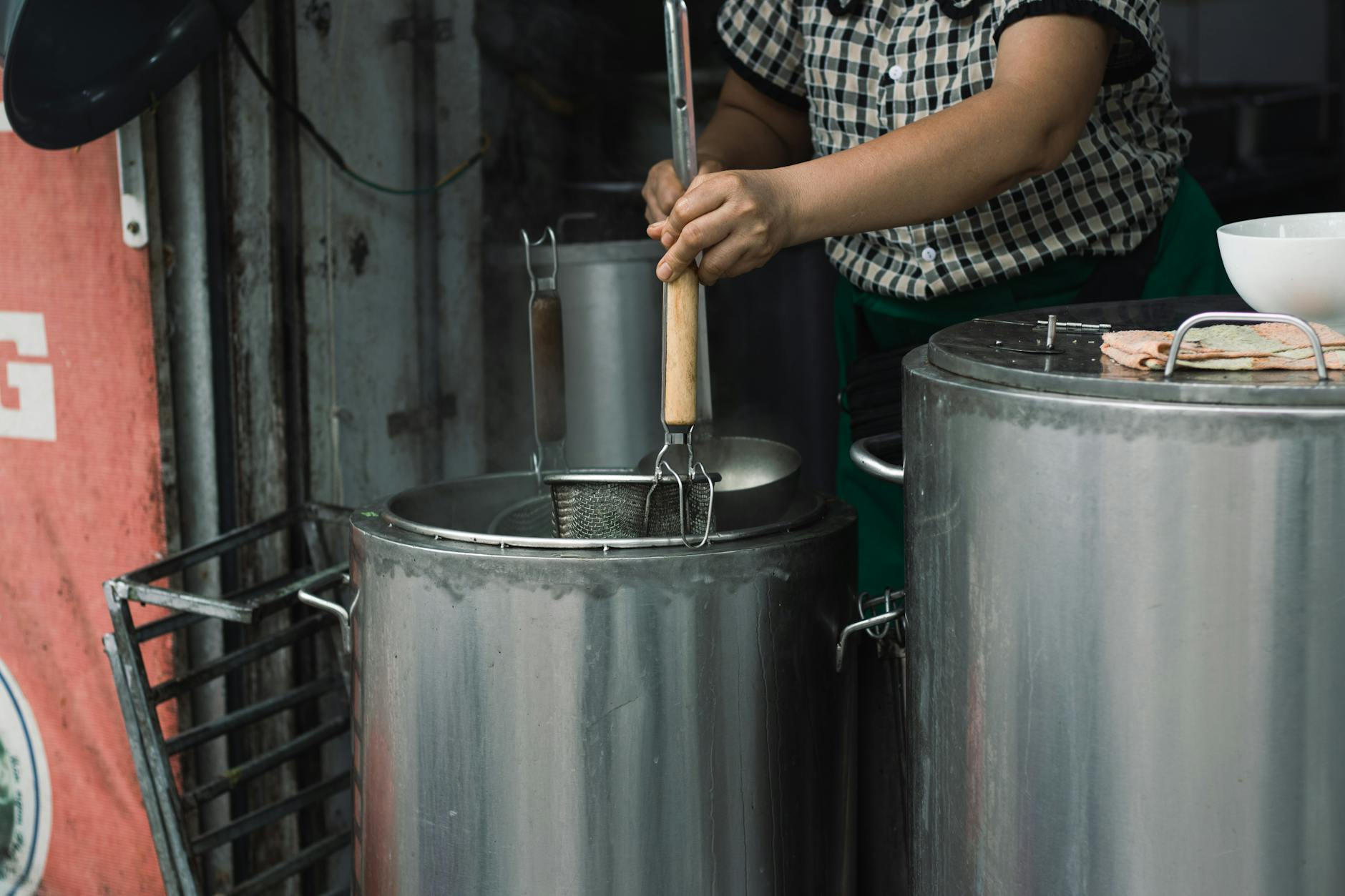
The typical experience involves spotting a vendor (often just a woman with a cart or a stall), pointing at what you want, and sitting on a plastic stool that comes up to your knees. You’ll be served hot food in a plastic or ceramic bowl. Payment is made in cash, usually while eating. Most vendors don’t speak English, so pointing and smiling goes a long way.
The beauty of this system is efficiency and freshness. You’re eating food prepared minutes before, often from recipes refined over decades. Many vendors have only one or two specialties and perfect them over years of practice.
Street Food Etiquette and Tips
- Arrive early: Street food vendors often sell out by 10 AM. This is a feature, not a bug—it means they use fresh ingredients and don’t keep day-old food.
- Eat where locals eat: If a stall has locals sitting there, it’s trustworthy. Follow the crowds.
- Bring small bills: Few vendors have change for large denominations.
- Be adventurous but cautious: Try everything, but watch how food is prepared. If it’s cooked to order in front of you, it’s safe.
- Embrace the chaos: Hanoi street food happens amid noise, pollution, and traffic. This is part of the authentic experience.
- Budget 30,000-60,000 VND per meal: You can eat remarkably well on this budget, even at the best vendors.
Best Street Food Areas
Old Quarter (Hoan Kiem District): The entire Old Quarter is essentially an open-air food market. Narrow streets like Hang Manh, Hang Thanh, and Hang Quat are lined with food stalls. This area has the highest concentration of quality street food and attracts both tourists and locals.
Dong Xuan Market Area: Hanoi’s largest covered market also functions as a street food hub. Around the market perimeter, vendors serve fresh pho, banh mi, and lesser-known Hanoi specialties. The energy here is particularly vibrant early morning (6-8 AM).
Food Safety in Hanoi
The common myth that street food in Hanoi causes illness is largely unfounded, especially if you follow basic precautions. The key is choosing vendors with high turnover—if you’re the 50th customer of the morning, the ingredients are fresh. Avoid raw vegetables and ice (made from tap water) unless you’re confident in the vendor’s practices. Cooked food is generally very safe.
Hanoi Food Guide: Coffee Culture
Vietnamese coffee is world-renowned for its bold, dark roast and the iconic phin (metal dripper) brewing method. But Hanoi coffee culture goes deeper than caffeine—it’s about the pace of life, social connection, and a uniquely Vietnamese addition: eggs.
Egg Coffee – A Hanoi Invention
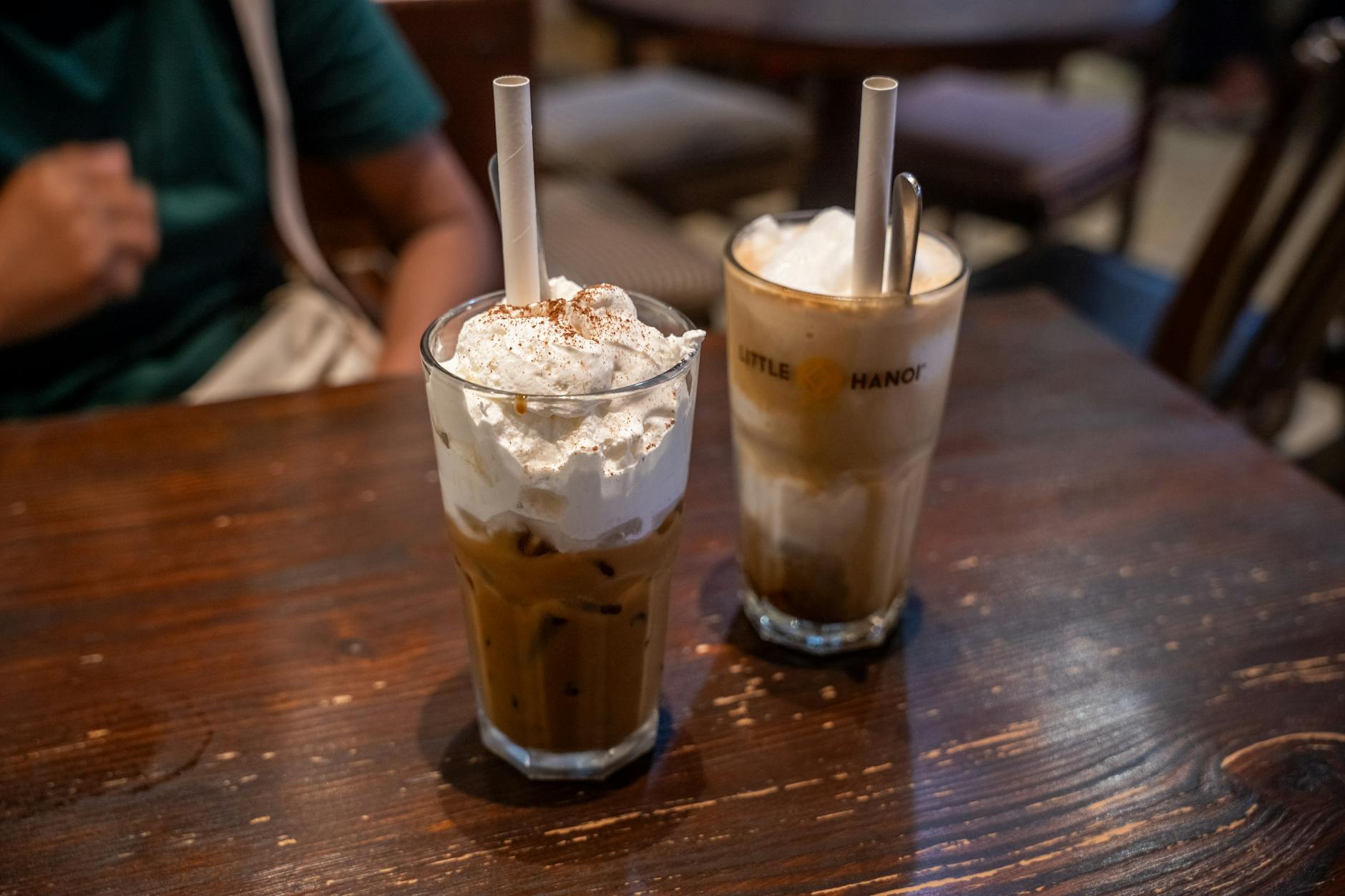
Ca phe trung (egg coffee) was invented in 1946 at the Sofitel Metropole during the French Indochina War when butter and milk were scarce. A resourceful barista named Giang created a drink using the only available ingredients: egg yolks, sugar, and dark coffee. The result? A creamy, sweet, luxurious coffee unlike anything else.
The drink is made by whisking egg yolks with sweetened condensed milk and sugar until fluffy, then topping hot coffee. Some variations add a whole quail egg on top. The texture is mousse-like and indulgent. It’s a dessert masquerading as coffee. Price: 40,000-60,000 VND ($2-$3 USD).
Where to Drink Egg Coffee
Cafe Giang (39 Hang Gai Street) – The original. Giang’s daughter continues the family legacy in this cramped, atmospheric cafe in the Old Quarter. Despite the crowds and cramped conditions, it’s worth the experience at least once.
Cafe Dinh – Another excellent traditional option with egg coffee made the original way.
Cafe Pho Co (11 Hang Gai) – A rooftop cafe with views of Hoan Kiem Lake and excellent egg coffee in a more comfortable setting than Cafe Giang.
Other Vietnamese Coffee Specialties
Coconut Coffee – Sweet coffee with fresh coconut cream, perfect for an afternoon pick-me-up.
Weasel Coffee (Kopi Luwak) – The world’s most expensive coffee, available at upscale cafes. The beans have passed through a civet cat’s digestive system, allegedly improving flavor. Whether it’s worth the premium is debatable, but it’s a novelty Hanoi offers.
Vietnamese Drip Coffee (Ca Phe Den/Ca Phe Sua): The traditional way to drink coffee in Vietnam. A phin (metal dripper with a screw top) sits on your cup, and hot water is poured slowly through ground coffee. You watch it drip—a meditation in motion. Black (den) or with sweetened condensed milk (sua), it’s stronger and more flavorful than most Western coffee.
Best Restaurants for Your Hanoi Food Guide
While street food is essential, Hanoi also offers excellent restaurants across all price points, from simple pho joints to award-winning fine dining.
Budget-Friendly Options
The best budget eating in Hanoi happens at simple restaurants and stalls. A full meal costs 30,000-60,000 VND. Every neighborhood has excellent bun cha joints, pho stalls, and banh mi vendors. These aren’t tourist traps—they’re where locals eat.
Mid-Range Restaurants
Quan An Ngon – Multiple locations (Old Quarter and elsewhere). Featuring a daily-changing menu of traditional Vietnamese dishes served street-food style in an upscale casual setting. Great for sampling Hanoi specialties. Budget 150,000-250,000 VND per person.
La Badiane – A charming French colonial restaurant serving French-Vietnamese fusion cuisine. The ambiance is sophisticated without being stuffy. Expect 300,000-400,000 VND per person.
The Hanoi Social Club – A rooftop bar and restaurant with excellent Vietnamese and International cuisine. Great for lunch or sunset drinks. 200,000-350,000 VND per person.
Fine Dining
Maison Vie – Contemporary Vietnamese cuisine in an elegant colonial villa setting. Chef-driven menus feature modern interpretations of classic Hanoi dishes. 600,000-1,000,000+ VND per person for a tasting menu.
Green Tangerine – French-Vietnamese fusion in the heart of the Old Quarter. Intimate, refined, and focused on seasonal Vietnamese ingredients. 350,000-500,000 VND per person.
Vegetarian and Special Dietary Options
Vegetarian dining in Hanoi has improved significantly. Most restaurants can accommodate vegetarian requests with advance notice. Dedicated vegetarian restaurants include Thanh Huong and Nhat Vegetarian. Many Buddhist temples also serve excellent vegetarian meals for lunch (25,000-50,000 VND).
Hanoi Food Guide: Night Markets and Food Streets
Some of the best eating in Hanoi happens after sunset. Night markets and food streets transform into buzzing social spaces where locals gather to eat, drink, and socialize.
Old Quarter Night Market
Friday to Sunday evenings from 6 PM to midnight, portions of the Old Quarter are closed to traffic and converted to a night market. Vendors line the streets with cooked foods, grilled meats, fresh fruits, and desserts. The energy is electric. This is where tourists and locals converge. Budget 50,000-100,000 VND per person to try multiple dishes.
Tong Duy Tan Food Street
This pedestrianized street in the Old Quarter is lined with restaurants and food stalls. In the evening, it becomes a destination for casual dining and people-watching. Excellent for trying multiple Vietnamese dishes in a controlled setting.
Cam Chi Alley
A narrow alley famous for grilled meat (thit nuong) restaurants. Vendors grill pork, chicken, and beef over charcoal, creating aromatic clouds of smoke. Pair with rice, grilled fish cakes, and fresh herbs. Very local, very atmospheric, and surprisingly accessible to visitors.
Late-Night Pho Stalls
Pho stalls in Hanoi often stay open until midnight or later. After evening activities, locals gather for a bowl of hot pho before heading home. Many stalls specifically cater to the late-night crowd. The pho tastes even better at midnight after a night out.
Food Tours and Cooking Classes
For visitors wanting guided culinary experiences, Hanoi offers excellent options combining sightseeing with eating.
Walking Food Tours: $20-40 per person for 3-hour tours. These typically cover 4-6 food stops in the Old Quarter, with guides providing history and context. Popular operators include Hanoi Cooking Centre and Old Quarter Food Tours. Tours fill early morning or late afternoon slots, cooler times for walking.
Cooking Classes: $30-45 per person. Most include market shopping, then 3-4 hours of hands-on cooking instruction. You’ll learn to make 3-4 dishes (typically pho, spring rolls, and regional specialties) and eat what you’ve prepared. Classes are offered daily at various locations including Hanoi Cooking Centre, Old Quarter View, and Hanoi Home Cooking.
Market Tours: $15-30 per person. Guides navigate you through Dong Xuan or other local markets, explaining ingredients, vendor practices, and sourcing. Often combined with a breakfast or lunch component at a neighborhood restaurant.
Practical Tips for Your Hanoi Food Guide
Budget Planning
You can eat extraordinarily well in Hanoi for $8-15 USD per day. This means three meals of authentic, delicious food from quality vendors. Fine dining will cost more, but street food and modest restaurants make Hanoi one of the world’s best-value culinary destinations.
Handling Allergies and Dietary Restrictions
Vietnam uses fish sauce in many dishes, which may be problematic for some. Peanut allergies require careful communication. Shellfish is prevalent. Learn key phrases in Vietnamese or write your restrictions phonetically. Most vendors are accommodating if you explain clearly.
Cash vs. Card
Street food vendors and small restaurants accept only cash. Always have small bills and coins. Larger restaurants and hotels accept cards. ATMs are abundant throughout Hanoi, and withdrawal fees are reasonable.
When Locals Eat
Breakfast happens 6-7 AM. Lunch is 11:30 AM-1 PM. Dinner is 6-7 PM. Many street food vendors close by 10 AM after the breakfast rush. Eating at local hours means better food and lower prices (vendors haven’t been asked to cater to tourist schedules).
Tipping Expectations
Tipping is not expected at street food stalls or modest restaurants. At upscale restaurants with service charges, 10% is appropriate but not obligatory. Rounding up to the nearest 10,000 VND is kind but unnecessary.
Quick Reference: Hanoi Dishes at a Glance
| Dish | Description | Typical Price | Top Spot |
| Pho Bo | Beef noodle soup with aromatic broth | 30,000-50,000 VND | Pho Gia Truyen Bat Dan |
| Bun Cha | Grilled pork with noodles and herbs | 40,000-60,000 VND | Bun Cha Huong Lien |
| Cha Ca La Vong | Turmeric fish specialty | 150,000 VND | Cha Ca La Vong (Cha Ca St.) |
| Banh Mi | French-Vietnamese sandwich | 15,000-30,000 VND | Banh Mi 25 |
| Banh Cuon | Steamed rice rolls | 30,000-40,000 VND | Banh Cuon Gia Truyen |
| Bun Thang | Elaborate noodle soup specialty | 40,000-60,000 VND | Street vendors, Old Quarter |
| Bun Rieu | Tomato crab noodle soup | 35,000-55,000 VND | Street vendors, Old Quarter |
| Ca Phe Trung | Egg coffee | 40,000-60,000 VND | Cafe Giang |
More Hanoi food guides
Hungry for specifics? Dig into the dishes, drinks and neighbourhoods that make Hanoi a great eating city:
- Best Pho in Hanoi: Top Restaurants & Stalls
- Hanoi Street Food Guide: Must-Try Dishes & Vendors
- Bun Cha Hanoi: Traditional Recipe & Best Places
- Hanoi Egg Coffee Guide: History & Best Cafes
- Hanoi Food Tours: Guided Eating Experiences
- Hanoi Vegetarian Food Guide: Best Restaurants
- Hanoi Cooking Classes: Learn Vietnamese Cuisine
- Hanoi Beer Culture: Bia Hoi Guide & Local Bars
- Hanoi Desserts & Sweets: Sweet Treats & Cafes
- Best Restaurants in Hanoi: Fine Dining & Budget
- Hanoi Night Food Markets: Street Eats After Dark
Keep planning: explore our guides to Hanoi coffee culture, the Old Quarter, things to do in Hanoi, Hanoi nightlife.
Conclusion: Your Hanoi Culinary Adventure Awaits
This hanoi food guide has covered the essential dishes, venues, and practices that define eating in Vietnam’s capital. But the truth is, the best experiences come from wandering, asking locals for recommendations, and taking calculated risks at new vendors.
Hanoi’s food culture reflects its thousand-year history as a major Southeast Asian city—you’ll find echoes of China, France, and Laos alongside distinctly Vietnamese innovations. Every meal is an opportunity to taste history and connect with local culture.
Start with the classics listed in this guide, but don’t be afraid to explore. The most memorable meals often happen at the smallest, greasiest stalls where you’re the only foreign face. That’s where the real Hanoi food guide begins.
Ready to explore more of Hanoi? Check out our comprehensive guide to things to do in Hanoi, learn about the historic Old Quarter, or dive into Hanoi’s vibrant nightlife. And don’t miss our complete Hanoi travel guide for everything you need to plan your visit.
Additional Resources:
- UNESCO Intangible Cultural Heritage database – Explore Vietnam’s protected food traditions
- Grab app – Use for food delivery in Hanoi (GrabFood)
- Vietnam National Administration of Tourism – Official travel information