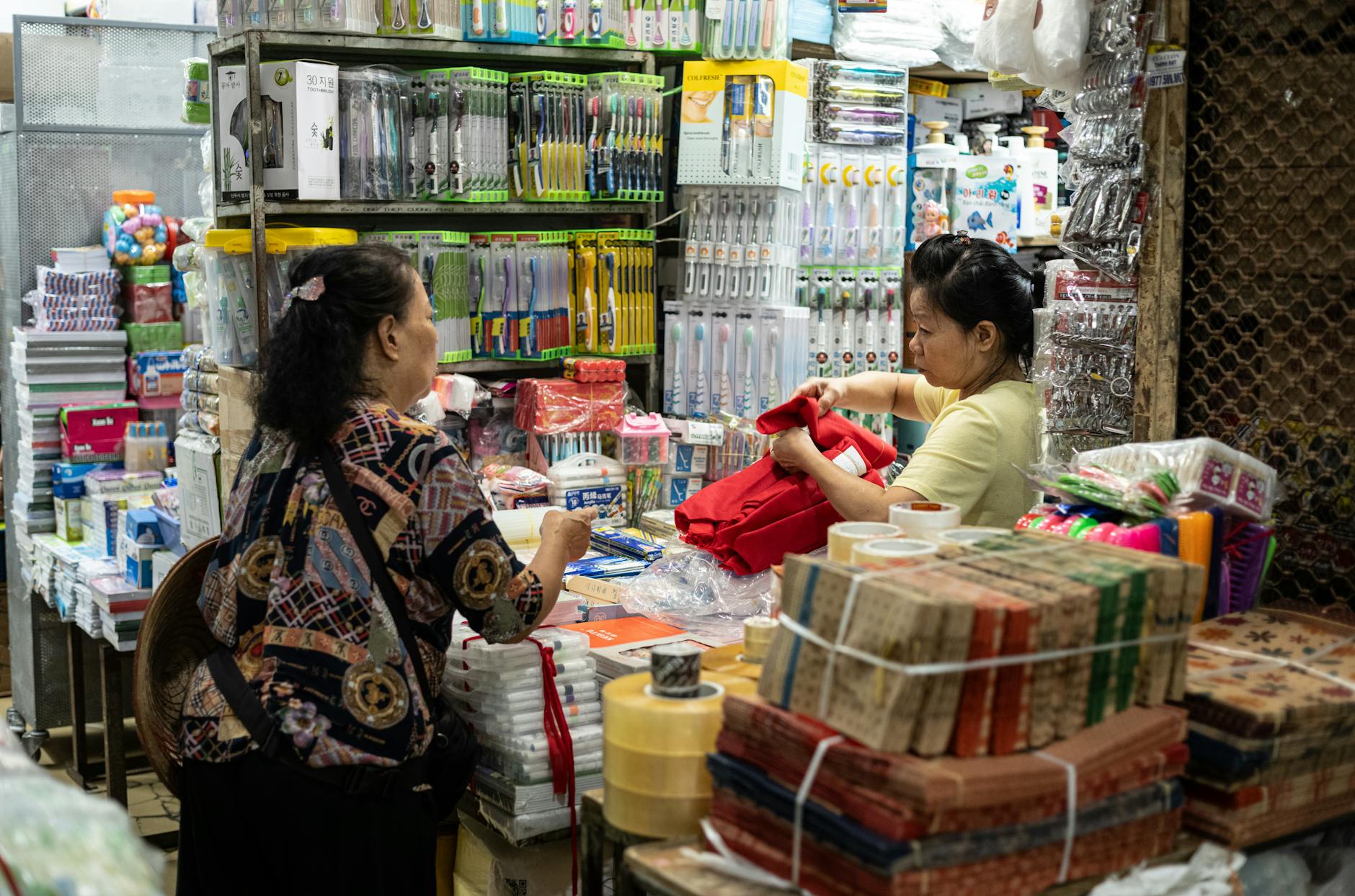
Shopping in Hanoi is one of the most rewarding experiences any visitor can enjoy in Vietnam’s captivating capital city. From sprawling traditional markets overflowing with silk, spices, and handmade crafts to gleaming modern malls and charming Old Quarter boutiques, Hanoi offers an extraordinary range of shopping opportunities that cater to every taste and budget. Whether you are hunting for authentic Vietnamese souvenirs, bespoke tailored clothing, exquisite lacquerware, or world-class coffee beans, this comprehensive guide covers every market, shop, and shopping street you need to know for an unforgettable retail adventure in 2026.

Hanoi has been a trading hub for over a thousand years, and its commercial heritage is woven into every street of the Old Quarter. Each of the 36 ancient streets was originally dedicated to a specific trade guild — and many still specialize in particular products today. This living marketplace tradition, combined with Vietnam’s booming craft industries and world-renowned textiles, makes shopping in Hanoi an experience unlike anywhere else in Southeast Asia.
In this guide, we walk you through the best markets, silk shops, souvenir spots, tailoring services, ceramics villages, coffee sources, modern malls, and essential bargaining strategies. We also share practical tips on payment methods, opening hours, and what to avoid buying so you can shop with confidence. If you are planning your trip, pair this guide with our Hanoi travel guide and accommodation recommendations for a seamless visit.
Dong Xuan Market — Hanoi’s Largest and Oldest Market

Dong Xuan Market is the undisputed king of Hanoi’s traditional markets. Established in 1889 during the French colonial period, this sprawling three-story complex sits at the northern edge of the Old Quarter on Dong Xuan Street. It is the largest covered market in Hanoi and serves as the city’s primary wholesale hub, attracting traders from across northern Vietnam alongside curious tourists looking for bargains.
What to Buy at Dong Xuan Market
The market is organized by product type across its three floors. The ground floor is dominated by textiles, clothing, and accessories. The second floor features household goods, electronics, toys, and luggage. The top floor offers fabrics, bedding, and seasonal items. Outside the main building, a sprawling network of surrounding stalls sells fresh produce, meat, seafood, flowers, and street food.
Some of the best deals at Dong Xuan Market include basic clothing items — T-shirts start from just 35,000 VND (approximately $1.40 USD), while jeans range from 90,000 to 200,000 VND ($3.60–$8.00 USD). You can also find Vietnamese souvenirs, imitation goods, bags, shoes, and accessories at wholesale prices. For shoppers willing to buy in bulk, the discounts become even more impressive.
Practical Information
| Detail | Information |
|---|---|
| Address | Dong Xuan Street, Hoan Kiem District |
| Opening Hours | 7:00 AM – 6:00 PM daily |
| Best Time to Visit | Early morning (7–9 AM) for fewer crowds |
| Payment | Cash only (VND) |
| Bargaining | Expected — start at 40–50% of asking price |
Bargaining Tips for Dong Xuan
Bargaining is not just accepted at Dong Xuan Market — it is expected. Vendors typically quote prices two to three times higher than what they are willing to accept, especially for tourist-facing stalls on the ground floor. Start your counter-offer at roughly 40–50% of the quoted price and negotiate from there. Be friendly, smile, and be prepared to walk away if the price does not come down — vendors will often call you back with a better offer. Buying multiple items from the same stall gives you stronger negotiating leverage.
Hanoi Night Market — Weekend Shopping Under the Stars

Every Friday, Saturday, and Sunday evening, a stretch of Hang Dao Street and the surrounding Old Quarter lanes transforms into the Hanoi Night Market — one of the city’s most atmospheric shopping experiences. Running from 6:00 PM to 11:30 PM, this pedestrian-only zone comes alive with hundreds of stalls selling clothing, accessories, handicrafts, souvenirs, artwork, and an incredible variety of street food.
The night market stretches from Hang Dao Street down to Dong Xuan Market, covering several blocks. Stalls are neatly arranged on both sides of the street, with the middle left open for the steady stream of shoppers. The atmosphere is electric — colorful lanterns overhead, the hum of conversation, and the irresistible aroma of grilled meats and fresh spring rolls wafting from food vendors.
What to Expect
Popular items at the night market include printed T-shirts, Vietnamese-style clothing, lacquered chopsticks, bamboo products, silk scarves, embroidered bags, postcards, fridge magnets, and hand-painted ceramics. Prices are generally tourist-oriented but still reasonable compared to Western standards. Bargaining is possible but less aggressive than at Dong Xuan — most vendors will drop 10–20% from their initial price. The night market is also an excellent spot to sample Hanoi street food. Combine your shopping trip with a stroll around Hoan Kiem Lake, which is just a short walk south.
Hang Gai (Silk Street) — Hanoi’s Premier Silk Shopping Destination
Hang Gai Street, known internationally as “Silk Street,” is arguably the most famous shopping street in Hanoi for quality silk products. Running through the heart of the Old Quarter, this relatively short street (about 300 meters) is lined with dozens of silk boutiques, tailoring shops, and textile stores offering everything from raw silk fabric to beautifully finished garments, scarves, ties, and home furnishings.

Le Minh Silk — A Legacy Since 1954
Among the many silk shops on Hang Gai, Le Minh stands out as one of the most established and trusted names. Operating since 1954, this family-run store has built a reputation for authentic, high-quality Vietnamese silk. Le Minh offers an impressive selection of silk fabric by the meter, ready-made garments including traditional Ao Dai dresses, custom tailoring services, and a curated collection of silk accessories. The staff are knowledgeable and can help you distinguish between genuine silk and synthetic blends — an important skill when shopping in Hanoi’s silk market.
Other Notable Silk Shops on Hang Gai
Beyond Le Minh, several other reputable stores on Hang Gai Street deserve a visit. Khai Silk (despite past controversies, still popular for their range), Tan My Design (known for embroidered silk products and contemporary Vietnamese fashion), and Van Phuc Silk (offering competitively priced pure silk fabric) are all worth browsing. Most shops on Hang Gai also offer custom tailoring — you can select your fabric, choose or bring a design, and have a garment made within 24 to 72 hours.
Hom Market — The Local Fabric Paradise
If Hang Gai Street is where tourists shop for silk, Hom Market is where Hanoi locals go for serious fabric shopping. Located on Pho Hue Street in Hai Ba Trung District, this bustling two-story market is packed wall-to-wall with fabric vendors selling every conceivable type of textile — silk, cotton, linen, wool, polyester, lace, and specialty fabrics for Vietnamese traditional clothing.
Prices at Hom Market are significantly lower than on Hang Gai Street because you are buying at local market rates without the tourist premium. A meter of decent silk starts from around 150,000 VND ($6 USD) at Hom, compared to 300,000+ VND on Hang Gai. The market also has an excellent selection of ready-made Ao Dai and can connect you with local tailors who work at a fraction of the cost of Old Quarter shops. Hom Market opens from 7:00 AM to 6:00 PM daily and is best visited in the morning when the selection is fullest.
Hanoi Silk Shopping Guide — Quality, Prices, and What to Look For
Vietnam is one of the world’s leading silk producers, and shopping in Hanoi for silk products is a highlight for many visitors. However, navigating the silk market requires some knowledge to ensure you are getting genuine products at fair prices. Here is everything you need to know.
How to Identify Real Silk
Genuine silk has a distinctive natural sheen that changes subtly when viewed from different angles — synthetic fabrics tend to have a uniform, plastic-like shine. Real silk feels smooth and slightly cool to the touch, while synthetics often feel warmer and more slippery. The most reliable test is the burn test: a genuine silk thread will smell like burned hair (it is a protein fiber), burn slowly, and leave a fine ash. Synthetic fibers melt into a hard bead and smell like plastic. Reputable shops like Le Minh on Hang Gai will happily perform this test for you.
Silk Price Ranges in Hanoi (2026)
| Product | Price Range (VND) | Price Range (USD) |
|---|---|---|
| Silk scarf | 220,000 – 600,000 | $9 – $24 |
| Silk tie | 250,000 – 500,000 | $10 – $20 |
| Silk fabric (per meter) | 150,000 – 800,000 | $6 – $32 |
| Ready-made Ao Dai | 800,000 – 2,000,000 | $32 – $80 |
| Custom-tailored Ao Dai | 1,200,000 – 3,500,000 | $48 – $140 |
| Silk bedding set | 2,500,000 – 8,000,000 | $100 – $320 |
| Embroidered silk artwork | 500,000 – 5,000,000+ | $20 – $200+ |
The Ao Dai — Vietnam’s Iconic Garment
No discussion of silk shopping in Hanoi is complete without mentioning the Ao Dai, Vietnam’s graceful national garment. This form-fitting tunic worn over flowing trousers is one of the most popular purchases for visitors. You can buy ready-made versions at shops along Hang Gai Street or at Hom Market, but for the best fit, consider having one custom-tailored. A skilled tailor can complete an Ao Dai within 2–3 days, and the result — a perfectly fitted garment in the silk of your choice — makes an extraordinary souvenir. Many tailoring shops can also ship internationally if you prefer to travel light.
Best Souvenirs to Buy in Hanoi

Beyond silk, Hanoi is a treasure trove of unique, authentic souvenirs that capture the spirit of Vietnamese culture. Here are the best souvenirs to look for during your shopping adventures.
Lacquerware
Vietnamese lacquerware is one of the country’s most celebrated traditional crafts, and Hanoi is an excellent place to purchase high-quality pieces. The lacquering process involves applying multiple layers of natural tree sap to wood, bamboo, or MDF bases, with each layer dried and sanded before the next is applied. Fine lacquerware can have up to 20 layers and takes months to complete. Look for bowls, vases, jewelry boxes, trays, and decorative panels. Quality pieces start from around 200,000 VND for small items and can reach several million VND for large, elaborate works. The best lacquerware shops are found on Hang Hom Street and in the Old Quarter.
Conical Hats (Non La)
The iconic Vietnamese conical hat — the Non La — is perhaps the most recognizable symbol of Vietnam. These elegant hats are handwoven from palm leaves over a bamboo frame and serve both as practical sun protection and a beautiful piece of folk art. In Hanoi, you can find simple versions for as little as 30,000 VND ($1.20 USD) and finely crafted “poem hats” (Non Bai Tho) from Hue that reveal hidden images or poetry when held up to the light for 50,000–150,000 VND. The best selection is at Dong Xuan Market and the Old Quarter shops.
Vietnamese Coffee
Vietnam is the world’s second-largest coffee producer, and bringing home some Vietnamese coffee beans is a must. Look for locally roasted robusta or arabica beans, or try the famous weasel coffee (ca phe chon) if your budget allows. Popular brands include Trung Nguyen, Highlands Coffee, and specialty roasters. We cover this in more detail in our dedicated section below.
Hand-Embroidered Art and Textiles
Vietnamese hand embroidery is extraordinarily detailed, with skilled artisans creating photorealistic silk embroidery paintings that can take months to complete. These pieces make stunning wall hangings and gifts. Smaller embroidered items — table runners, pillowcases, handkerchiefs, and bags — are more affordable and easier to transport. Tan My Design on Hang Gai Street is renowned for its embroidery collection.
Propaganda Posters
Hanoi’s vintage-style propaganda posters have become one of the city’s most popular and unique souvenirs. These bold, colorful prints featuring socialist-realist imagery from Vietnam’s revolutionary period are available as reproductions throughout the Old Quarter. Prices range from 50,000 to 300,000 VND depending on size and quality. For authentic vintage originals, visit the specialized poster shops near Hoan Kiem Lake or on Hang Bong Street.
Ceramics and Pottery
From delicate blue-and-white porcelain to rustic stoneware, Vietnamese ceramics are both beautiful and affordable. The best place to buy ceramics in Hanoi is Bat Trang Ceramic Village (detailed in a dedicated section below), but you can also find excellent pieces at shops throughout the Old Quarter and at Dong Xuan Market.
Custom Tailoring in Hanoi — Bespoke Clothing at Incredible Prices
One of the greatest shopping advantages in Hanoi is the availability of high-quality custom tailoring at remarkably affordable prices. Whether you want a traditional Vietnamese Ao Dai, a perfectly fitted suit, a flowing silk dress, or casual garments made to your exact specifications, Hanoi’s tailors can deliver outstanding results.
What to Get Tailored
The most popular items for custom tailoring in Hanoi include men’s suits and blazers, women’s dresses and blouses, Ao Dai in your choice of fabric, shirts, trousers, coats, and even leather jackets. Skilled tailors can work from a design you bring in (a photo or garment to copy) or help you create something original from their pattern books.
Tailoring Prices and Turnaround Times
| Garment | Price Range (VND) | Turnaround Time |
|---|---|---|
| Men’s tailored suit | 3,000,000 – 8,000,000 | 3 – 5 days |
| Men’s dress shirt | 400,000 – 1,000,000 | 1 – 2 days |
| Women’s dress | 800,000 – 3,000,000 | 2 – 4 days |
| Custom Ao Dai | 1,200,000 – 3,500,000 | 2 – 3 days |
| Trousers / Pants | 500,000 – 1,500,000 | 1 – 2 days |
| Winter coat | 2,000,000 – 6,000,000 | 3 – 5 days |
Recommended Tailoring Areas and Tips
The best areas for tailoring in Hanoi are Hang Gai Street (for silk and Ao Dai), Luong Van Can Street (for suits and Western-style clothing), and the area around Hom Market (for budget-friendly options). When getting clothes tailored, always allow time for at least one fitting and potential adjustments. Bring a garment that fits you well as a reference, and be specific about details like collar style, pocket placement, and lining. Most reputable tailors will include one round of alterations in their price. If you are on a tight schedule, express service (24-hour turnaround) is usually available for an additional 20–30% surcharge.
Bat Trang Ceramic Village — A Potter’s Paradise
Located approximately 15 kilometers southeast of central Hanoi, Bat Trang Ceramic Village is a must-visit destination for anyone interested in Vietnamese pottery and ceramics. This ancient artisan village has been producing ceramics for over 700 years and today hosts hundreds of workshops, showrooms, and kilns where you can watch the entire production process and purchase directly from the artisans.
What to Buy at Bat Trang
The range of ceramics available at Bat Trang is extraordinary. You can find traditional blue-and-white porcelain, colorful glazed pottery, terracotta garden pots, delicate tea sets, decorative vases, dinnerware, tile mosaics, and contemporary art pieces. Many workshops also offer hands-on pottery classes where you can try your hand at the wheel and create your own souvenir — a wonderful experience for families and anyone interested in traditional crafts.
Prices at Bat Trang are typically 30–50% lower than in Hanoi’s city-center shops because you are buying directly from producers. A beautiful hand-painted tea set might cost 200,000–500,000 VND ($8–$20 USD), while larger decorative vases range from 300,000 to several million VND. Most shops can arrange secure packing and international shipping for fragile or large items.
Getting to Bat Trang
You can reach Bat Trang by local bus (number 47 from Long Bien bus station, about 30 minutes, 7,000 VND), by taxi or Grab (approximately 150,000–200,000 VND one way from the Old Quarter), or as part of an organized half-day tour. The village is open daily and is best visited in the morning when workshops are in full production. Plan to spend 2–3 hours exploring.
Vietnamese Coffee Beans — Where to Buy the Best Brews
As the world’s second-largest coffee producer (after Brazil), Vietnam takes its coffee seriously — and Hanoi is an exceptional place to purchase premium Vietnamese coffee beans. The country primarily grows robusta beans, which have a stronger, more bitter flavor profile than arabica, though high-quality Vietnamese arabica from the Central Highlands is increasingly available.
Top Coffee Brands and Where to Find Them
Trung Nguyen is Vietnam’s most famous coffee brand and offers several product lines from the everyday “Sang Tao” series to the premium “Legendee” weasel coffee. Available at supermarkets and dedicated Trung Nguyen stores citywide. Highlands Coffee, another popular chain, sells retail bags of their signature blends at their numerous cafe locations. For specialty and artisanal options, seek out Cong Caphe, The Coffee House, or independent roasters in the Old Quarter and Tay Ho district.
If you want to bring home the authentic Hanoi coffee experience, do not forget to pick up a traditional phin filter — the small metal drip filter used to brew Vietnamese coffee. These cost just 30,000–80,000 VND and are available at any market or coffee shop. Pair it with a bag of locally roasted beans and a can of sweetened condensed milk for the genuine Hanoi ca phe sua da experience at home. For more on Hanoi’s incredible food and drink culture, see our Hanoi food guide.
Bargaining and Negotiation Tips for Hanoi Markets
Bargaining is an integral part of the shopping in Hanoi experience, particularly at traditional markets and small independent shops. Mastering the art of negotiation will not only save you money but also enhance your cultural experience. Here are the essential strategies.
The Golden Rules of Bargaining
Start at 30–60% of the asking price. This is the single most important rule. Vendors expect negotiation and price their goods accordingly. If a vendor quotes 200,000 VND, your opening offer should be around 60,000–120,000 VND. The final agreed price will typically land somewhere around 50–70% of the original quote.
Stay friendly and smile. Bargaining in Vietnam is a social interaction, not a confrontation. Laugh, joke, and enjoy the process. Aggressive or rude bargaining will get you nowhere. Vietnamese vendors respond to warmth and good humor.
Be prepared to walk away. The “walk away” technique is your most powerful tool. If you cannot reach an acceptable price, politely thank the vendor and start walking. More often than not, they will call you back with a better offer. If they do not, there are usually multiple stalls selling similar items nearby.
Buy multiple items for bigger discounts. Vendors are much more flexible on price when you are buying several items. Bundle your purchases where possible — buy scarves, souvenirs, and clothing from the same stall for a combined discount.
Know when NOT to bargain. Fixed-price shops (look for signs saying “fixed price” or “gia co dinh”), modern boutiques, malls, supermarkets, and restaurants are not bargaining environments. Attempting to haggle in these settings is considered rude. Similarly, do not bargain aggressively for very low-cost items — saving 5,000 VND ($0.20 USD) is not worth the effort or the cultural misstep.
Bargaining Etiquette
Use a calculator or your phone to exchange numbers if the language barrier is an issue — most vendors are accustomed to this. Never grab or handle goods aggressively. Once you have agreed on a price, honor the deal and complete the purchase — backing out after agreeing is considered very poor form. Learning a few Vietnamese numbers (mot, hai, ba, bon, nam — 1, 2, 3, 4, 5) and the phrase “dat qua” (too expensive) will earn you goodwill and often a better price.
Modern Shopping Malls in Hanoi
While traditional markets are the soul of shopping in Hanoi, the city has also embraced modern retail with several impressive shopping malls offering international brands, air-conditioned comfort, fixed prices, and entertainment facilities. These malls are particularly welcome on Hanoi’s sweltering summer days or during the rainy season.
Vincom Center Ba Trieu
Located in the heart of Hanoi on Ba Trieu Street, Vincom Center is one of the city’s premier shopping destinations. This multi-level mall features a mix of international fashion brands (Zara, H&M, Uniqlo), Vietnamese designers, a large food court, cinema, and entertainment zone. The basement level houses a well-stocked supermarket perfect for picking up packaged Vietnamese food items and snacks to bring home.
Lotte Center Hanoi
The Lotte Center is a 65-story landmark tower on Lieu Giai Street featuring a department store, luxury brand boutiques, Lotte Mart supermarket, food court, cinema, and the famous observation deck on the top floors offering panoramic views of the city. The Lotte Mart in the basement is one of the best places in Hanoi to buy packaged foods, Korean beauty products, and household goods.
Aeon Mall Long Bien and Aeon Mall Ha Dong
Japanese retailer Aeon operates two major malls in Hanoi — Aeon Mall Long Bien (in the Long Bien district, accessible via a short taxi ride from the Old Quarter) and Aeon Mall Ha Dong (in the southwestern suburbs). Both offer a massive selection of Japanese and international brands, excellent supermarkets with imported goods, food courts, children’s play areas, and cinemas. Aeon Mall Long Bien is the more convenient option for tourists staying in the city center.
Old Quarter Shopping Streets — One Street, One Product
One of the most fascinating aspects of shopping in Hanoi’s Old Quarter is the centuries-old tradition of specialized streets. Dating back to the 15th century, each street in the 36 ancient streets of the Old Quarter was home to a specific trade guild, and many streets still maintain their traditional specializations today. Here are the most notable shopping streets to explore.
Key Old Quarter Shopping Streets
| Street Name | Specialty | What to Buy |
|---|---|---|
| Hang Gai | Silk and textiles | Silk fabric, scarves, tailored garments, Ao Dai |
| Hang Dao | Clothing | Ready-made clothes, T-shirts, fashion accessories |
| Hang Bac | Silver and jewelry | Silver jewelry, gemstones, watches |
| Hang Ma | Paper goods and decorations | Paper lanterns, festival decorations, gift items |
| Hang Quat | Religious items | Incense, altar decorations, Buddhist items, embroidery |
| Hang Trong | Art and painting | Traditional paintings, prints, art supplies |
| Lan Ong | Traditional medicine | Herbal remedies, dried goods, teas |
| Hang Thiec | Tin and metalwork | Tin boxes, lanterns, metal signs, custom metalwork |
| Hang Hom | Lacquerware | Lacquered boxes, trays, vases, decorative items |
| Lo Ren | Blacksmithing | Knives, tools, iron hardware |
Wandering through these specialized streets is one of the great pleasures of visiting Hanoi. Even if you are not planning to buy anything, the experience of watching craftspeople at work, seeing entire streets dedicated to a single product, and soaking in the chaotic energy of the Old Quarter is unforgettable. For more on exploring this historic neighborhood, visit our Old Quarter guide.
Practical Shopping Tips for Hanoi
Before you hit the markets and shops, keep these essential practical tips in mind to ensure a smooth and enjoyable shopping experience in Hanoi.
Payment Methods
Cash is king in Hanoi’s markets. The Vietnamese Dong (VND) is the only accepted currency at traditional markets, street stalls, and most small shops. ATMs are widely available throughout the city and dispense VND. While credit cards are accepted at malls, modern boutiques, and higher-end shops, you should always carry sufficient cash for market shopping. Some vendors may accept US dollars for large purchases, but the exchange rate offered will be unfavorable — always pay in VND for the best deals.
Opening Hours
Traditional markets typically operate from 7:00 AM to 6:00 PM, though some vendors start packing up by 5:00 PM. Shops in the Old Quarter generally open from 8:00 or 9:00 AM until 9:00 or 10:00 PM. Modern malls are open from 9:30 AM to 10:00 PM daily. The Hanoi Night Market operates Friday through Sunday from 6:00 PM to 11:30 PM only. For the best selection and freshest goods at traditional markets, arrive early in the morning.
What to Avoid Buying
Exercise caution with the following items when shopping in Hanoi. Counterfeit goods — while widely available, counterfeit branded items can be confiscated at customs in your home country. Ivory, tortoiseshell, and wildlife products — these are illegal under international law (CITES) and you could face serious penalties for attempting to bring them home. Antiques — genuine Vietnamese antiques cannot legally be exported without special permits, and many “antiques” sold to tourists are reproductions. Unbranded electronics — quality can be extremely inconsistent, and returns or warranties are essentially non-existent.
Shipping and Packing
If you are buying fragile items (ceramics, lacquerware) or bulky goods, many shops offer international shipping services. Prices vary but are generally reasonable for surface mail (allow 4–8 weeks). For valuable items, consider using an express courier like DHL or FedEx — both have offices in Hanoi. Always get a shipping receipt and tracking number. For carry-on purchases, markets sell affordable luggage, bags, and packing materials if you need extra space for your haul.
Safety Tips
Hanoi’s markets are generally very safe, but common-sense precautions apply. Keep your wallet in a front pocket or use a money belt in crowded markets. Be mindful of motorbikes when stepping onto the street outside market entrances. Carry small denominations (10,000, 20,000, and 50,000 VND notes) to avoid overpaying or having vendors claim they cannot make change for large notes. If a deal seems too good to be true — especially for brand-name goods — it almost certainly is.
Related Hanoi travel guides
Keep planning your trip with these in-depth Hanoi guides: the Old Quarter, Hanoi food guide, things to do in Hanoi, Hanoi travel guide.
Frequently Asked Questions About Shopping in Hanoi
Is Hanoi good for shopping?
Absolutely. Hanoi is one of the best shopping destinations in Southeast Asia, offering a unique mix of traditional markets, artisan workshops, silk boutiques, modern malls, and specialty shopping streets. The combination of high-quality handmade goods, low prices compared to Western countries, and a rich cultural shopping experience makes Hanoi exceptional for visitors. From bespoke tailoring to one-of-a-kind handicrafts, you can find products here that are simply unavailable anywhere else.
What is the best market in Hanoi?
Dong Xuan Market is the largest and most comprehensive market, ideal for wholesale bargains and experiencing authentic local market culture. For evening shopping and atmosphere, the Hanoi Night Market (weekends only) is hard to beat. For fabric and silk at local prices, Hom Market is the insider’s choice. Each market has its strengths, so visiting at least two or three will give you the fullest picture of Hanoi’s market scene.
Do I need to bargain in Hanoi?
Bargaining is expected and customary at traditional markets, street stalls, and many small shops in the Old Quarter. Prices at these venues are typically quoted 50–200% above what the vendor expects to receive, so negotiating is essential to pay a fair price. However, fixed-price shops, boutiques, malls, and supermarkets operate on non-negotiable pricing. A good rule of thumb: if there are no price tags displayed, bargaining is expected.
What should I buy in Hanoi as a souvenir?
The most popular and culturally authentic souvenirs from Hanoi include silk products (scarves, garments, fabric), lacquerware, conical hats (Non La), Vietnamese coffee beans with a phin filter, hand-embroidered textiles, ceramics from Bat Trang village, propaganda poster reproductions, custom-tailored clothing, and traditional crafts from the Old Quarter. These items are uniquely Vietnamese, widely available, and range from budget-friendly to luxury.
Is it safe to shop in Hanoi’s markets?
Yes, Hanoi’s markets are generally very safe for tourists. Violent crime targeting visitors is extremely rare. The main concerns are petty pickpocketing in crowded areas and overcharging for goods (which bargaining addresses). Keep your valuables secure, stay aware of your surroundings, and use common sense. The vast majority of vendors are honest and friendly, and shopping in Hanoi’s markets is a thoroughly enjoyable experience.
Can I use credit cards when shopping in Hanoi?
Credit and debit cards are accepted at modern shopping malls, larger boutiques, and some upscale Old Quarter shops. However, traditional markets like Dong Xuan, Hom Market, and the Night Market are cash-only. Many small shops also prefer cash. We recommend carrying Vietnamese Dong for market shopping and keeping your card for mall and restaurant purchases. ATMs are plentiful in Hanoi and dispense VND.
What are Hanoi’s shopping hours?
Most traditional markets open from 7:00 AM to 6:00 PM daily. Old Quarter shops typically operate from 8:00–9:00 AM until 9:00–10:00 PM. Shopping malls are open from 9:30 AM to 10:00 PM. The Hanoi Night Market runs Friday to Sunday from 6:00 PM to 11:30 PM. For the best market experience, visit in the early morning when goods are freshest and crowds are smallest.
How do I get clothes tailored in Hanoi?
Custom tailoring in Hanoi is straightforward and affordable. Visit a tailor on Hang Gai Street (for silk and Ao Dai) or Luong Van Can Street (for suits and Western clothing), choose your fabric, discuss your design, and get measured. Most garments can be completed in 1–5 days depending on complexity. Always schedule a fitting before final delivery and allow time for adjustments. Prices start from around 400,000 VND for a shirt and 3,000,000 VND for a suit, including fabric.
Shopping in Hanoi is far more than a transactional experience — it is a window into the city’s rich cultural heritage, artisan traditions, and vibrant everyday life. Whether you return home with a suitcase full of silk, a custom-tailored wardrobe, or simply unforgettable memories of navigating the Old Quarter’s bustling lanes, Hanoi’s markets and shops will leave a lasting impression. For more information on planning your Hanoi adventure, explore our complete Hanoi travel guide, accommodation recommendations, and top things to do in Hanoi.
For additional information on travel and shopping in Vietnam, visit the official Vietnam National Administration of Tourism website or consult Lonely Planet’s Hanoi shopping guide for independent traveler reviews and recommendations.
Every guide in this series
This pillar is the overview. Each guide below goes deep on one piece of it:
- Hanoi Markets Guide: Where to Shop & What
- Hanoi Silk Shopping: Where to Buy Quality Silk
- Hanoi Souvenirs: What to Buy & Best Shops
- Hanoi Night Market Guide: Evening Shopping
- Hanoi Tailors: Custom Clothing & Tailor Services
- Hanoi Ceramics & Pottery: Artisan Shopping
- Hanoi Coffee Beans: Buy & Bring Home
- Hanoi Bargaining Tips: Markets Negotiation Guide
- Hanoi Luxury Shopping Malls: High-End Retail
- Hanoi Handicrafts & Art: Artisan Products
- Hanoi Embroidery & Textiles: Where to Shop