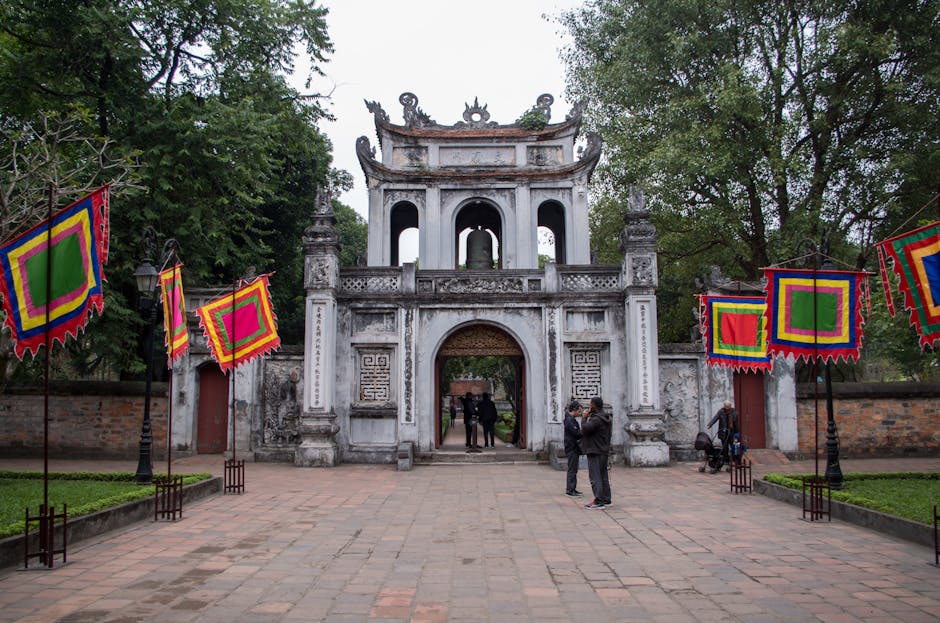
Hanoi has been Vietnam’s political and cultural heart for over a thousand years — founded as Thang Long in 1010 by King Ly Thai To and home to dynasties, French colonists, war histories, and modern reconstruction. To truly understand Hanoi, you need to appreciate its layered culture: ancient Vietnamese roots, Chinese influences, French colonial architecture, communist heritage, and modern cosmopolitan energy. This complete Hanoi culture and history guide for 2026 covers the city’s 1,000-year journey, must-visit heritage sites, cultural traditions, and how to experience Vietnam’s deepest roots.
1,000 Years of Hanoi History (Quick Timeline)
- 1010 AD: King Ly Thai To founds Thang Long (Hanoi) as capital.
- 1010-1400: Ly Dynasty (peak Vietnamese imperial era).
- 1400-1428: Brief Ming Chinese occupation.
- 1428-1788: Le Dynasty (long stability).
- 1789-1802: Tay Son Dynasty.
- 1802-1945: Nguyen Dynasty (last imperial era, Hanoi loses capital status to Hue).
- 1873: French occupy Hanoi.
- 1888: Hanoi becomes capital of French Indochina.
- 1945: Ho Chi Minh declares Vietnamese independence.
- 1954: Hanoi liberated from French (Oct 10).
- 1965-1973: American war bombing.
- 1976: Hanoi becomes unified Vietnam capital.
- 2010: Hanoi celebrates 1,000 years as capital.
Must-Visit Cultural Heritage Sites
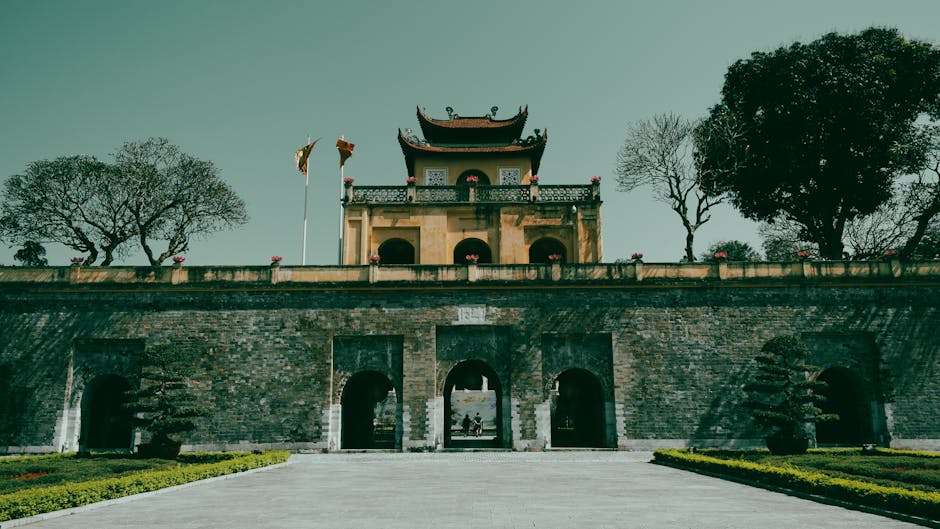
1. Imperial Citadel of Thang Long (UNESCO)
Vietnam’s ancient imperial seat for 1,000 years. Foundations from Ly Dynasty, expanded through Tran and Le dynasties. UNESCO World Heritage Site (2010). See our Imperial Citadel guide.
2. Temple of Literature (Van Mieu)
Vietnam’s first university, established 1070. Dedicated to Confucius. Pagoda gardens, scholar stelae, exam hall. See our Temple of Literature guide.
3. Ho Chi Minh Mausoleum & Complex
Vietnam’s revolutionary leader. Embalmed body on display. Plus Ho Chi Minh House (stilt house), Presidential Palace, One Pillar Pagoda. See our Ho Chi Minh Mausoleum guide.
4. Hoa Lo Prison Museum (“Hanoi Hilton”)
Built by French colonists in 1896. Held Vietnamese political prisoners. Later US POWs during American War, including future Senator John McCain. Sobering, powerful museum.
5. Tran Quoc Pagoda
Vietnam’s oldest pagoda (6th century). Stunning lakeside location at West Lake. Symbol of Vietnamese Buddhism. See our pagodas guide.
6. Ngoc Son Temple (Hoan Kiem Lake)
Built 1841 on small island in Hoan Kiem Lake. Honors warrior Tran Hung Dao who defeated Mongols. Iconic red bridge entrance.
7. Bach Ma Temple
Oldest temple in Hanoi (9th century). Old Quarter location. Dedicated to White Horse spirit.
8. One Pillar Pagoda
Iconic Buddhist pagoda built 1049. Sits on single stone pillar, designed like a lotus blossom rising from water.
Hanoi Cultural Traditions
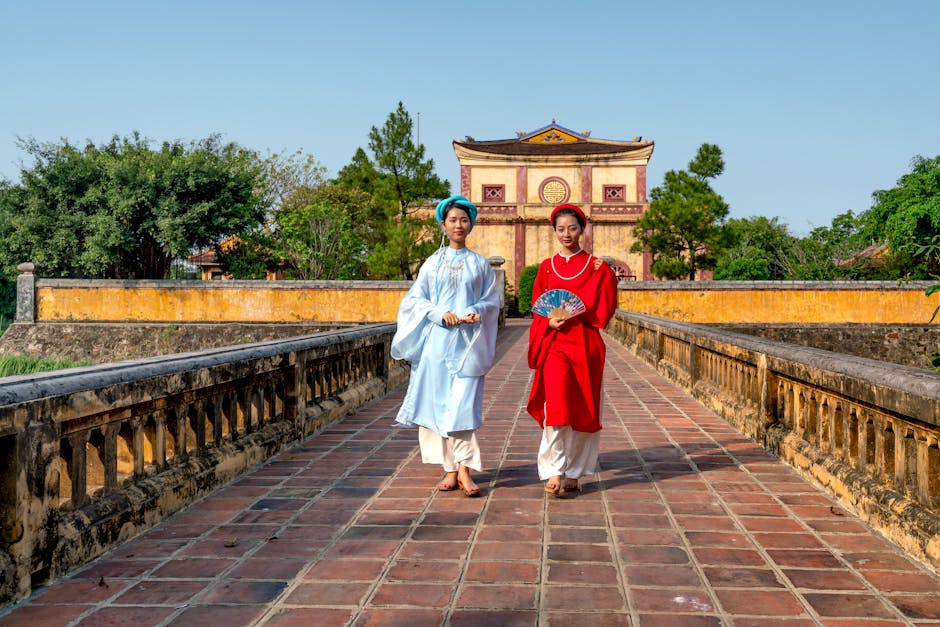
Ao Dai (Traditional Dress)
Long flowing silk dress worn over pants. Modern symbol of Vietnamese femininity. Worn especially during Tet, weddings, ceremonies.
Vietnamese Coffee Culture
Egg coffee (ca phe trung), coconut coffee, traditional drip coffee. See our coffee culture pillar.
Street Food Heritage
Pho, bun cha, banh mi, bun thang, com tam, cha ca — Hanoi has invented or perfected dozens of iconic Vietnamese dishes.
Water Puppetry (Mua Roi Nuoc)
1,000-year-old Hanoi art form. Wooden puppets perform on water surface. See our water puppet guide.
Folk Singing & Quan Ho
Traditional folk songs of northern Vietnam. UNESCO Intangible Heritage status.
Calligraphy
Vietnamese calligraphy in Chinese characters and modern Vietnamese (quoc ngu). Especially seen during Tet.
Buddhism & Folk Religion
Buddhism dominant (Mahayana). Mixed with ancestor worship and Mother Goddess (Dao Mau) worship.
Confucianism
Strong influence on family structure, education, social hierarchy.
Hanoi Architecture Heritage
Vietnamese Traditional Architecture
- Tube houses — narrow Old Quarter homes.
- Wooden communal houses — village centers.
- Tile-roofed pagodas — curved roofs, dragon motifs.
French Colonial Architecture (1873-1954)
Hanoi’s most distinctive heritage. Visit:
- Hanoi Opera House (1901, modeled on Paris Opera).
- State Bank of Vietnam (formerly Bank of Indochina).
- Presidential Palace (former French Governor’s).
- St. Joseph Cathedral (1886).
- Sofitel Metropole (1901 grand hotel).
- French Quarter villas.
Soviet-Era Architecture
- Ho Chi Minh Mausoleum.
- Ba Dinh Square buildings.
- Apartment blocks (KTT).
Modern Skyscrapers
- Lotte Center (272m).
- Keangnam Hanoi Landmark Tower (350m).
- Vincom Towers.
Hanoi’s Cultural Districts
Old Quarter (36 Streets)
Heart of traditional commerce since 13th century. Each street named after the trade once practiced there. See our Old Quarter pillar.
French Quarter
Tree-lined boulevards, grand French villas, Opera House. Most European-feeling district.
Ba Dinh District
Government quarter. Ho Chi Minh complex, Imperial Citadel, French embassy.
Tay Ho (West Lake)
Expat-friendly. Modern cafes alongside ancient pagodas.
Long Bien
Across Long Bien Bridge. Working-class authenticity.
Cultural Activities for Travelers
- Water puppet show — Thang Long Theater.
- Cooking class — learn traditional dishes.
- Ao dai photoshoot — Hoan Kiem or Temple of Literature.
- Calligraphy lesson — some cultural centers offer.
- Hanoi Old Quarter walking tour — trade street history.
- Vietnam Museum of Ethnology — all 54 ethnic groups.
- Vietnamese Women’s Museum — gender, ethnic, fashion history.
- Vietnam Fine Arts Museum — lacquer art, silk painting.
- Hanoi History Museum.
- Hoa Lo Prison Museum.
Major Vietnamese Religions in Hanoi
- Buddhism (Mahayana): 60%+ identify.
- Ancestor worship: 85%+ practice.
- Catholicism: 7% (French legacy).
- Mother Goddess worship (Dao Mau): uniquely Vietnamese.
- Hoa Hao Buddhism: southern Vietnamese.
- Cao Dai: southern syncretic religion.
Best Time for Culture Travel
- Tet (February): Most cultural depth but logistical challenges.
- Mid-Autumn (September): Family festival, lanterns, mooncakes.
- Hanoi Liberation Day (October 10): Patriotic celebrations.
- Perfume Pagoda Festival (Feb-April): Religious pilgrimage.
- Hung Kings’ Anniversary (April): National holiday.
Cultural Etiquette in Hanoi
- Remove shoes entering homes and temples.
- Don’t point feet at altars or people.
- Use two hands when giving/receiving items.
- Dress modestly in religious sites.
- Bow head slightly when greeting elders.
- Don’t touch heads of others.
- Speak quietly in temples.
- Smile often — Vietnamese smile to show respect.
Hanoi Culture & History FAQs
How old is Hanoi?
Founded 1010 AD as Thang Long. 1,000+ years old.
What’s the most important cultural site?
Imperial Citadel of Thang Long (UNESCO World Heritage).
How can I experience traditional culture?
Water puppets, cooking class, ao dai photoshoot, festivals.
Is Hanoi religious?
Yes — predominantly Buddhist with ancestor worship.
What language is spoken?
Vietnamese. Hanoi accent considered “standard” for foreign learners.
Are there cultural shows?
Water puppets, traditional music, ao dai fashion shows.
Best museum?
Vietnam Museum of Ethnology — covers all 54 ethnic groups.
Should I hire a cultural guide?
Yes for deep cultural sites. $30-60/day.
Plan Your Cultural Hanoi Trip
Hanoi rewards cultural depth. For deep dives, see our Temple of Literature, Ho Chi Minh Mausoleum, Imperial Citadel, and pagodas guide.


