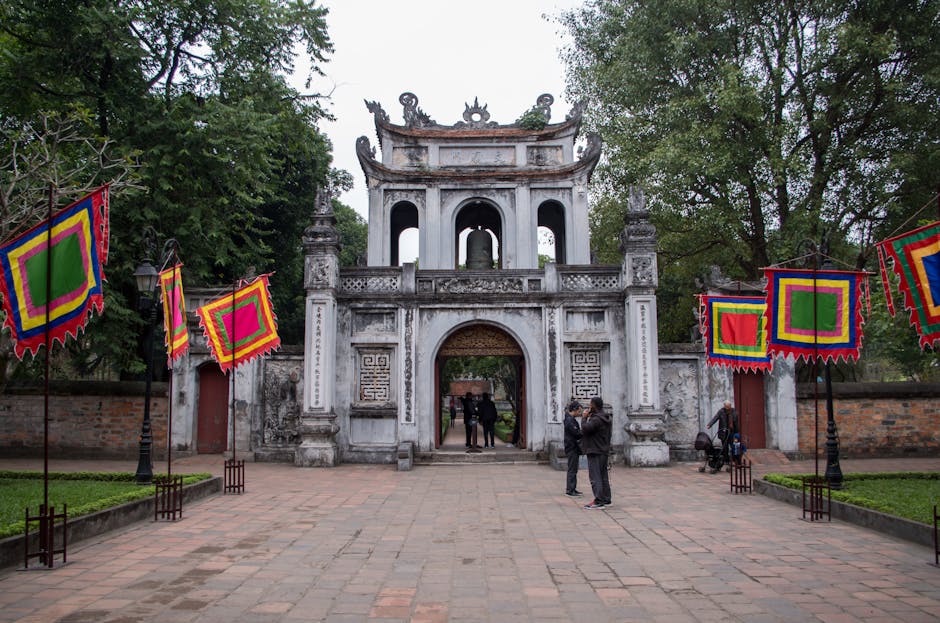
The Temple of Literature (Van Mieu) is Hanoi’s most iconic historical site — Vietnam’s first national university, founded in 1070 by King Ly Thanh Tong. For nearly 800 years, it educated Vietnam’s mandarins and scholars in Confucian classics. Today, five tranquil courtyards take visitors through Vietnamese education history, including 82 stone stelae listing thousands of doctoral graduates. This complete Temple of Literature Hanoi guide for 2026 covers history, what to see, ticket info, and tips for a meaningful visit.
About the Temple of Literature
Built in 1070 under King Ly Thanh Tong, the Temple of Literature (Van Mieu) was Vietnam’s first state academy. It was dedicated to Confucius, the Chinese philosopher whose teachings underpinned Vietnamese imperial education for centuries. In 1076, Vietnam’s first national university (Quoc Tu Giam) was established here, training royal princes, nobles, and eventually all of Vietnam’s scholar-officials (mandarins). The site operated as a university for over 700 years before education shifted to French models in 1802.
The Five Courtyards
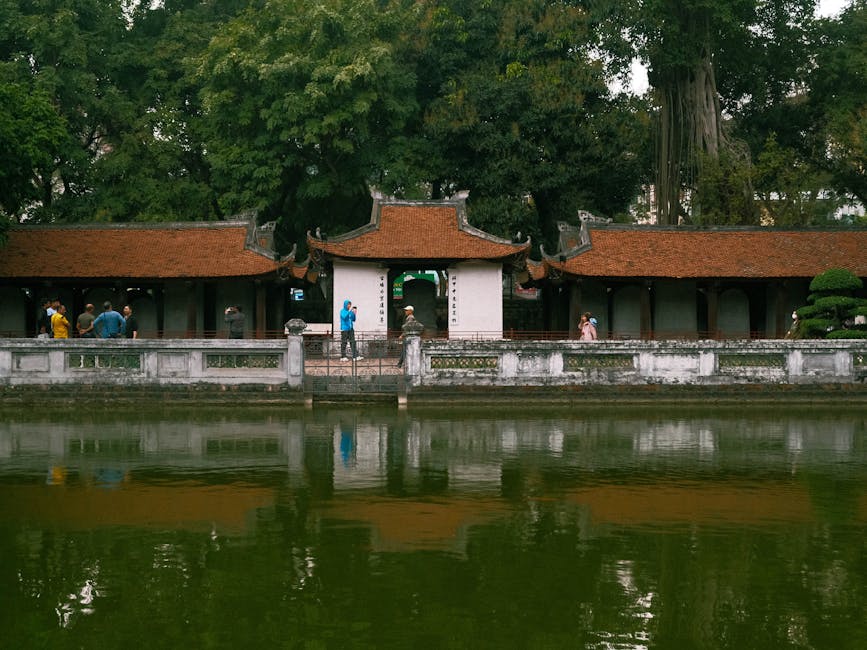
Courtyard 1: Great Gate (Van Mieu Mon)
Entrance through the main gate. Two stelae inscriptions remind visitors to dismount from horses. Small souvenir shops outside.
Courtyard 2: Great Middle Gate (Dai Trung Mon)
Two pavilions: Pavilion of the Crystal & Pavilion of Achievements. Garden of plumeria trees and bonsai.
Courtyard 3: Khue Van Pavilion & Stelae of Doctors
The iconic pavilion (Vietnam’s 10,000 VND banknote features it). Beyond the pavilion stand 82 stone stelae (1442-1779) listing the names of 1,307 doctoral graduates. Each stele rests on a giant stone turtle — symbol of longevity and wisdom. The 82 stelae are UNESCO Memory of the World inscribed (2010).
Courtyard 4: House of Ceremonies (Bai Duong)
Dedicated to Confucius and his 72 disciples. Beautiful traditional architecture. Statues of Confucius and major Vietnamese scholars.
Courtyard 5: Imperial Academy (Quoc Tu Giam)
The actual university. Reconstructed and rebuilt several times over centuries. Today contains exhibitions on Vietnamese education history.
Top Things to See
1. Khue Van Pavilion
The iconic photo-op. Best photographed from the front courtyard reflecting pool.
2. Stone Turtles & Stelae
The 82 stone turtles are revered — Vietnamese students traditionally touched them for luck before exams (the practice is now restricted to preserve them).
3. Wells of Heavenly Clarity
Two large rectangular reflecting pools. Symbolic of clarity of thought and wisdom.
4. Halls of Sages
Stunning carved doors. Traditional Vietnamese architecture and decoration.
5. Ho Van (Literature Lake)
Just outside the temple. Tranquil garden setting.
6. Exhibition Halls
Permanent and rotating exhibitions on Vietnamese education, calligraphy, and cultural traditions.
Ticket Info
- Entry fee: 30,000 VND ($1.20) adults.
- Children: Free under 15.
- Students: 15,000 VND with ID.
- Operating hours: 7:30 AM – 6:00 PM daily (5:30 PM in winter).
- Audio guide: Available, 100,000 VND ($4).
- English-speaking guides: 200,000-400,000 VND ($8-16) for 1-2 hours.
How to Get to Temple of Literature
- Location: 58 Quoc Tu Giam Street, Dong Da District.
- From Old Quarter: Grab Bike $0.80-1.50 (10 min). Grab Car $2-3 (10-15 min). Walking 30-40 min.
- By bus: Routes 02, 23, 32, 41 stop nearby.
- Parking: Available for motorbikes (5,000 VND) and cars.
Best Time to Visit
- Early morning (7:30-9 AM): Cool, quiet, best photography.
- Mid-week: Less crowded than weekends.
- October-November: Crispest autumn light.
- Late afternoon (3:30-5:30 PM): Golden hour photography.
- Avoid: Vietnamese exam season (June & September) when students bring families for blessings; very crowded.
How Long to Visit
- Quick visit: 45-60 minutes.
- Standard visit: 1.5-2 hours.
- Deep cultural visit with guide: 2.5-3 hours.
Photography Tips
- Khue Van Pavilion — reflection in pool from front (early morning best).
- Stone turtle stelae — close-up shots.
- Traditional architecture details — carved doors, dragon motifs.
- Ao dai photoshoots popular here (rented $15-30/day).
- Golden hour 5-6 PM for warm light.
- Avoid Vietnamese tourist crowds for clean shots.
Cultural Etiquette
- Cover shoulders and knees.
- Remove shoes entering main temple buildings.
- Don’t touch stelae or stone turtles.
- Speak quietly in temple halls.
- Photography allowed except in some interior altars.
- Small donations welcome at offering boxes.
- Don’t sit on stelae or temple thresholds.
Combine With Nearby Sites
- Imperial Citadel of Thang Long — 15-min walk.
- Ho Chi Minh Mausoleum — 10-min Grab.
- Vietnam Fine Arts Museum — 10-min walk.
- Hoan Kiem Lake — 15-min Grab.
- Quan Su Pagoda — 15-min Grab.
What to Bring
- Comfortable walking shoes.
- Sun protection (parasol/sun hat, sunscreen).
- Water bottle.
- Modest clothing.
- Camera with extra battery.
- Cash for entry, audio guide, souvenirs.
- Small bills for offerings.
Special Cultural Events at Temple of Literature
Pre-Tet Calligraphy Festival (Late January)
Local calligraphers offer Tet blessings written in beautiful Chinese and Vietnamese characters. Festive cultural atmosphere.
Vietnamese Teachers’ Day (November 20)
Students and teachers visit. Solemn atmosphere honoring Vietnamese education tradition.
Doctoral Graduation Days
Modern Vietnamese students sometimes celebrate university graduations here. Photo opportunities.
Temple of Literature FAQs
How old is the Temple of Literature?
Founded 1070 AD — over 950 years old.
Is it religious?
Confucian temple, not Buddhist. Honors Confucius and Vietnamese scholars.
How much is entry?
30,000 VND ($1.20) for adults.
How long should I visit?
1.5-2 hours typical.
Are there English explanations?
Yes — English signs at major sites. Audio guide available.
Can I touch the stone turtles?
No — preservation. Look only.
Is it crowded?
Yes during Vietnamese exam season (June, September). Other times manageable.
Can I take ao dai photos?
Yes — popular spot. Rent ao dai from photo shops nearby.
Is it kid-friendly?
Yes ages 5+. Quieter site but children enjoy turtle statues.
Plan Your Temple of Literature Visit
The Temple of Literature is the foundation of Vietnamese cultural heritage. Pair this guide with our culture and history pillar, Imperial Citadel guide, pagodas guide, and cultural experiences guide.