Welcome to the Hanoi Old Quarter – the pulsing heart of Hanoi’s history and culture. Nestled on the banks of the Red River, this UNESCO-recognized ancient district has thrived for over 1,000 years, serving as the city’s premier commercial and cultural hub. From the labyrinthine narrow streets to the iconic 36 specialty shops, the Hanoi Old Quarter remains one of Southeast Asia’s most captivating destinations, where centuries-old traditions coexist with vibrant modern life.
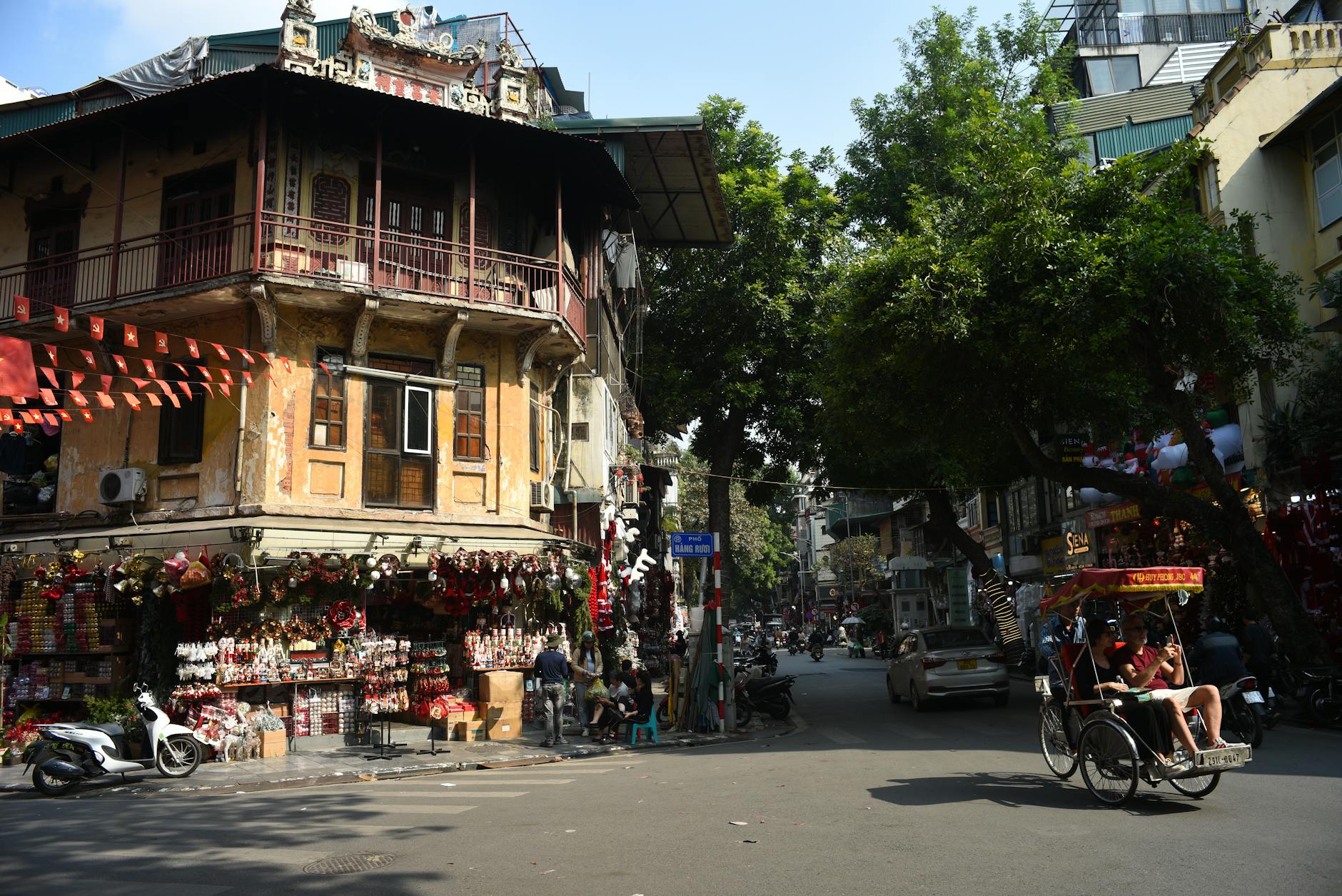
Whether you’re a first-time visitor or a seasoned traveler, this comprehensive guide to the Hanoi Old Quarter will help you navigate the historic 36 streets, discover hidden temples, savor authentic street food, and unlock the secrets that make this neighborhood a living museum of Vietnamese culture.
History of the Hanoi Old Quarter
The Hanoi Old Quarter’s extraordinary history stretches back over a thousand years, making it one of the oldest continuously inhabited commercial districts in Southeast Asia. Understanding this rich past is essential to appreciating what you see today.
Ancient Foundations (1010 AD): The Hanoi Old Quarter was established in 1010 AD when Emperor Ly Thai To transferred the capital of Vietnam from Hoa Lu to Thang Long (ancient Hanoi). The emperor established his Imperial Citadel on the high ground to the northwest, and merchants and craftsmen naturally gravitated toward the lower areas near the river, creating what would become the Old Quarter. This wasn’t a planned development but an organic evolution of commerce and community.
The Guild System: By the 13th and 14th centuries, the Hanoi Old Quarter had developed a sophisticated guild system where each street specialized in a particular trade or merchandise. Silversmiths worked on Hang Bac, silk merchants on Hang Gai, and paper sellers on Hang Ma. This specialization created a highly efficient marketplace and gave each street its distinctive character. The term “Hang” – meaning merchandise or shop – became the prefix for most street names, a legacy that remains visible today.
The “36 Streets” Legend: Today, locals and tourists alike speak of the famous “36 streets” of the Hanoi Old Quarter. Historical records suggest that this number referred to 36 guild locations that existed in the 15th century. However, the district now encompasses far more than 36 streets – some estimates suggest over 100 named streets and countless alleys. The “36” has become less a literal count and more a poetic reference to the district’s guild-based heritage. The number 36 was also traditionally considered sacred in Vietnamese numerology, representing completeness and harmony.
French Colonial Influence (Late 1800s – 1950s): When the French arrived in the late 19th century, they left an indelible mark on the Hanoi Old Quarter’s architecture. French colonial administrators built colonial administrative buildings, imposed new street layouts, and influenced local architectural styles. A distinctive Franco-Chinese hybrid architecture emerged, blending French neoclassical elements with traditional Vietnamese and Chinese design principles. Red-tile roofs, ornate iron railings, and shuttered windows became new features alongside traditional Vietnamese elements.
War and Preservation: The Hanoi Old Quarter survived the American War (Vietnam War) with relatively minimal damage compared to other Vietnamese cities. However, rapid urbanization in the late 20th century threatened to erase the district’s character. Recognizing the immense historical and cultural value, UNESCO inscribed the Hanoi Old Quarter (Thang Long Citadel and surroundings) as a World Heritage Site in 2010. Today, preservation efforts continue as residents and authorities work to balance modernization with heritage conservation.
The Famous 36 Streets of the Hanoi Old Quarter
The streets of the Hanoi Old Quarter are the soul of the district. Each carries a name that reflects its historical specialization, though many have evolved over the centuries. Here’s a guide to the most significant streets:
Key Streets in the Hanoi Old Quarter
Hang Bac (Silver Street): Dating back to the 13th century, Hang Bac is arguably the oldest street in the Hanoi Old Quarter. Originally home to silversmith guilds, today it’s filled with jewelry shops, money exchange services, and antique dealers. The street maintains much of its original charm with French colonial buildings and traditional shop houses. Perfect for those seeking silver jewelry, local crafts, or vintage items.
Hang Gai (Silk Street): One of the most vibrant streets in the Hanoi Old Quarter, Hang Gai specializes in silk fabrics, custom tailoring, and beautiful lacquerware. Local tailors will create custom áo dài (traditional Vietnamese tunics) or suits within days. The street also features traditional silk scarves, handbags, and decorative items. Prices range from 500,000 VND ($25 USD) for silk scarves to several million VND for tailored garments.
Hang Ma (Paper and Votive Street): This is perhaps the most visually spectacular street in the Hanoi Old Quarter, especially before traditional festivals. Hang Ma specializes in religious items, colorful paper votive offerings, festival decorations, and traditional lanterns. Before Tet (Lunar New Year) or Mid-Autumn Festival, the street explodes with color – golden paper, red lanterns, and intricate paper-cut decorations. Items range from 10,000 VND ($0.50 USD) for paper goods to several hundred thousand for elaborate altar decorations.
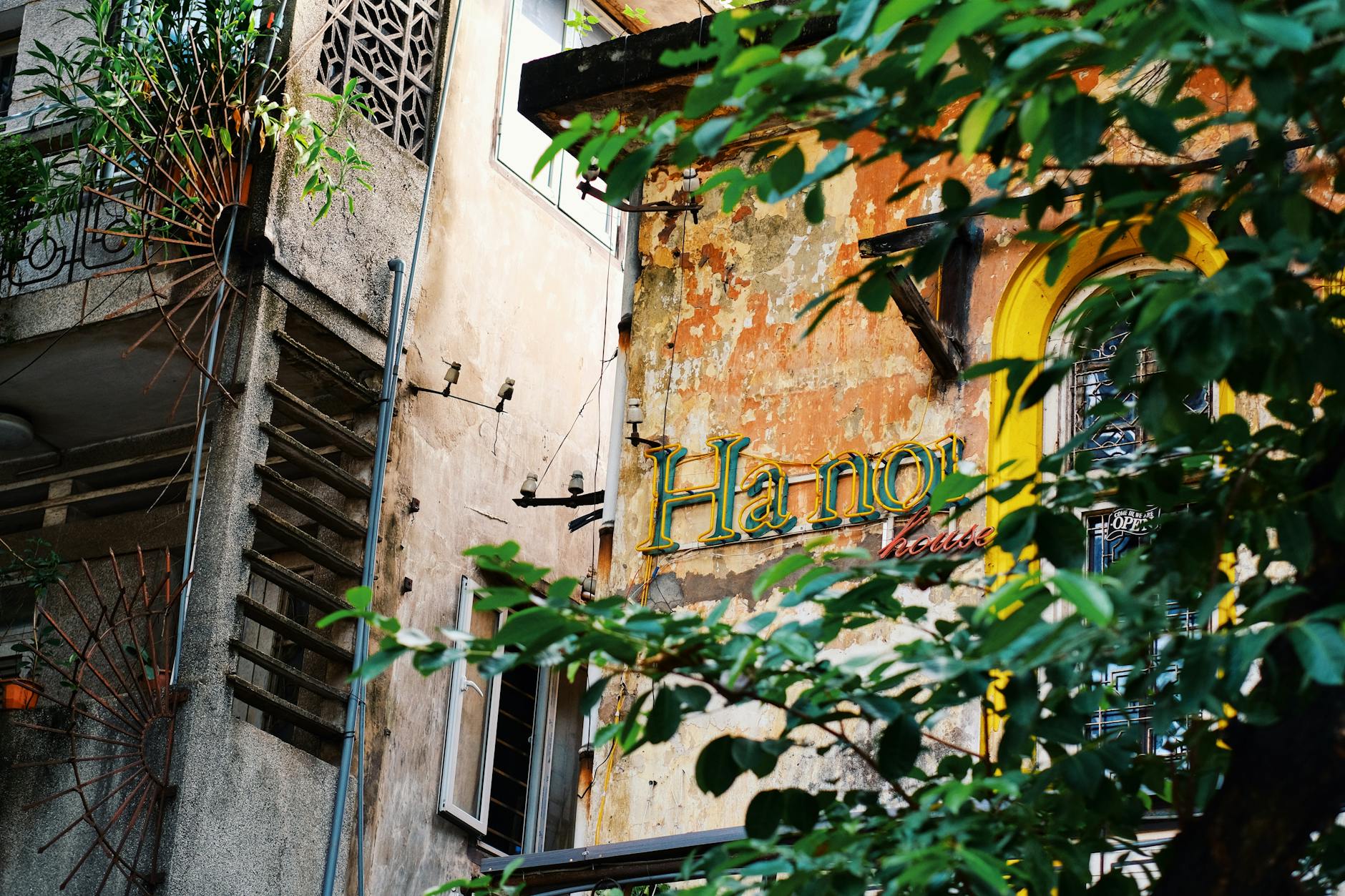
Hang Dao (Dye Street): Named for its historical role in the fabric-dyeing industry, Hang Dao has evolved into a fashion and textile hub. Today, it offers clothing, fabrics, accessories, and shoes at wholesale and retail prices. It’s an excellent spot for budget shopping and finding deals on Vietnamese-made clothing.
Hang Buom (Sail Street): Once the domain of sail makers, Hang Buom has transformed into a food and imported goods street. You’ll find snack shops, food stalls, and stores selling imported goods and groceries.
Hang Thiec (Tin Street): This street maintains some of its historical metalwork traditions, with craftsmen still producing metal items, tools, and decorative metalwork. It’s less touristy than other streets, offering an authentic glimpse into working-class Hanoi.
Hang Quat (Fan Street): Specializing in religious and ceremonial items, Hang Quat is known for its vibrant red and gold altar decorations, religious statues, and ritual items. The street’s visual richness makes it a photographer’s favorite.
Hang Bong (Cotton Street): Historically the domain of cotton merchants, Hang Bong has maintained its textile traditions with shops selling fabrics, bedding, and clothing.
Ta Hien (Beer Street): This famous street has earned its nickname as the nerve center of the Hanoi Old Quarter’s nightlife. Filled with open-air beer joints, restaurants, and bars, Ta Hien buzzes with energy after sunset. Local Hanoi beer (bia Hanoi) costs around 50,000-100,000 VND ($2-5 USD) for a large bottle. It’s the place to socialize with locals and fellow travelers, though it can get raucous on weekends.
Hanoi Old Quarter Architecture
The Hanoi Old Quarter’s distinctive architecture tells the story of Vietnamese ingenuity, Chinese influence, and French colonialism. Understanding the architectural styles will enhance your appreciation of every street corner.
The Iconic Tube House
The most recognizable architectural feature of the Hanoi Old Quarter is the “tube house” (nha ong). These long, narrow buildings were designed specifically to work within the district’s unique tax system. During the guild era, property taxes were calculated based on frontage width, not total land area. This incentivized property owners to build narrow facades (just 2-3 meters wide) while extending deep into the lot (50-60 meters). The result is these distinctive tunnel-like homes that are impossibly narrow at street level but surprisingly spacious within.
These tube houses typically have 3-4 stories, with the ground floor serving as a shop and upper floors as living quarters. The internal layout usually features a central courtyard or light well to bring natural light and ventilation to inner rooms. Walking through a tube house is a unique experience that reveals clever Vietnamese architecture and design.
Franco-Chinese Hybrid Style
During the French colonial period, a distinctive architectural hybrid emerged throughout the Hanoi Old Quarter. Developers combined French neoclassical elements (shuttered windows, iron railings, and mansard roofs) with traditional Vietnamese and Chinese design principles (curved eaves, interior courtyards, and decorative tiles). This fusion created a uniquely Southeast Asian aesthetic that remains visually appealing today.
Ancient House Museums
The Ancient House at 87 Ma May Street is the quintessential preserved tube house museum in the Hanoi Old Quarter. Built in the early 20th century, this beautifully maintained home showcases authentic architecture, period furnishings, and traditional craftsmanship. Visitors can explore all four stories, from the shop front to the family living quarters, gaining insight into daily life in the Old Quarter. Entrance: 10,000 VND ($0.50 USD). Hours: 8:00 AM – 5:00 PM daily. Address: 87 Ma May Street.
Heritage House at 51 Hang Bac is another excellent example of traditional Hanoi Old Quarter architecture. This restored house maintains original architectural features while operating as a cultural space and shop.
Communal Houses (Dinh)
Throughout the Hanoi Old Quarter, you’ll encounter communal houses (dinh), which served as gathering places for guilds and communities. These buildings held significant social and cultural importance, hosting meetings, festivals, and ceremonies. Many remain active cultural centers today.
Temples and Pagodas in the Hanoi Old Quarter
The spiritual heart of the Hanoi Old Quarter beats in its numerous temples and pagodas, some over a thousand years old. These sacred spaces offer tranquility amidst the bustling commercial energy of the streets.
Bach Ma Temple (White Horse Temple): The jewel of the Hanoi Old Quarter’s spiritual landscape, Bach Ma Temple is the oldest temple in the district, dating back to the 11th century during the reign of Emperor Ly Thai To. According to legend, when the emperor was planning the new capital, a white horse appeared and guided him to the location. The temple was built to honor this mystical event. Visitors can explore the ornate architecture, intricate wood carvings, and interior shrines. The temple remains active, with locals regularly coming to light incense and offer prayers. Entrance: Free. Hours: 8:00 AM – 5:00 PM daily. Address: Hang Buom Street.
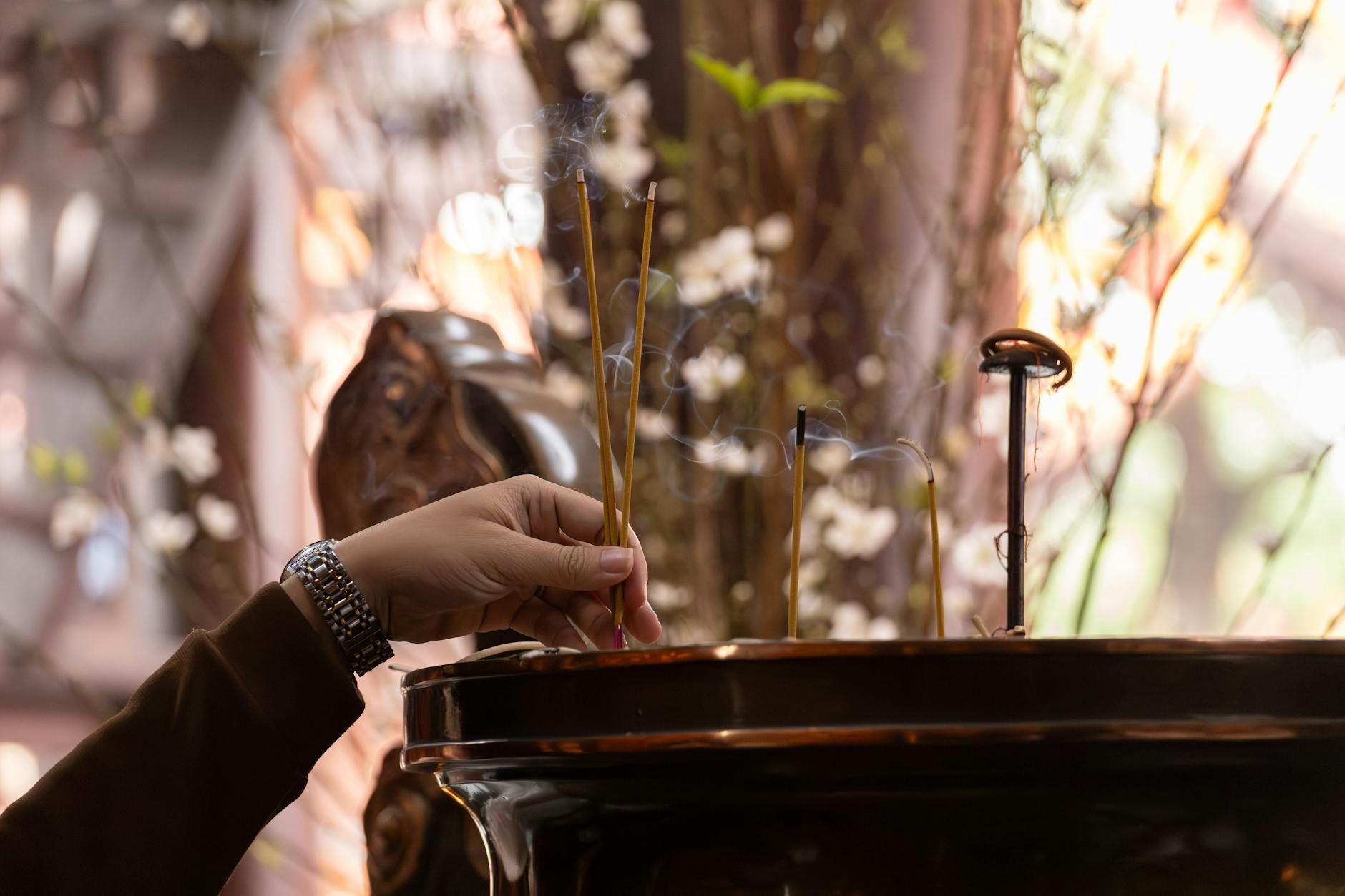
Quan De Temple: Dedicated to Guan Yu (a legendary Chinese general venerated in Vietnamese folk religion), Quan De Temple is frequented by merchants and business people seeking blessings for prosperity. The temple features ornate altars and traditional Vietnamese religious iconography.
Chua Quan Su (Ambassador’s Pagoda): Located just outside the core Old Quarter area, this 17th-century pagoda is one of Hanoi’s most important Buddhist temples. The name refers to its historical role in greeting foreign ambassadors. The pagoda features beautiful traditional Vietnamese architecture and remains an active Buddhist center.
Spiritual Significance: In the Old Quarter’s guild era, each professional group maintained its own village temple. These spiritual centers reinforced community bonds and provided spaces for collective worship. Many of these temples still stand, preserving centuries of spiritual tradition alongside commercial activity.
Shopping in the Hanoi Old Quarter
The Hanoi Old Quarter is a shopper’s paradise, offering everything from traditional crafts to contemporary fashion. Here’s what to buy and where to find it.
What to Buy
Silk Products: Vietnamese silk is world-renowned for its quality and craftsmanship. On Hang Gai and nearby streets, you’ll find silk scarves (500,000-2,000,000 VND / $25-100 USD), custom tailored garments (3,000,000-15,000,000 VND / $150-750 USD), and silk home décor items.
Lacquerware: Intricate lacquered boxes, trays, and decorative items are quintessentially Vietnamese. Hand-painted lacquerware ranges from 500,000 VND ($25 USD) for small items to several million for large decorative pieces.
Ceramics and Pottery: From traditional blue-and-white ceramics to contemporary pottery, the Hanoi Old Quarter offers exceptional ceramics. Prices vary from 200,000 VND ($10 USD) for small bowls to several million for large decorative vases.
Propaganda Art: Vietnamese socialist-era propaganda posters have become collectible art. Original vintage posters range from 500,000 to 5,000,000 VND ($25-250 USD). Reproductions are available for 100,000-500,000 VND ($5-25 USD).
Vietnamese Coffee: The Hanoi Old Quarter offers excellent Vietnamese coffee varieties. Premium coffee beans range from 200,000-500,000 VND ($10-25 USD) per kilogram. Don’t miss traditional Vietnamese coffee makers (phin) – 50,000-300,000 VND ($2.50-15 USD).
Spices and Herbs: Aromatic spices, dried herbs, and traditional medicines reflect Vietnam’s rich culinary and medicinal traditions. Prices are very reasonable, typically 50,000-200,000 VND ($2.50-10 USD) per item.
Major Shopping Venues
Dong Xuan Market: The largest covered market in the Hanoi Old Quarter, Dong Xuan Market is a massive, multi-story wholesale and retail emporium. Built in 1889 during French colonial times, it has been rebuilt and modernized but maintains its essential character. The market sprawls across multiple floors packed with textiles, clothing, souvenirs, foods, and goods of every description. It’s overwhelming but exciting – come early morning for the most authentic experience and best prices. Address: 142 Hang Gai Street. Hours: 6:00 AM – 6:00 PM daily.
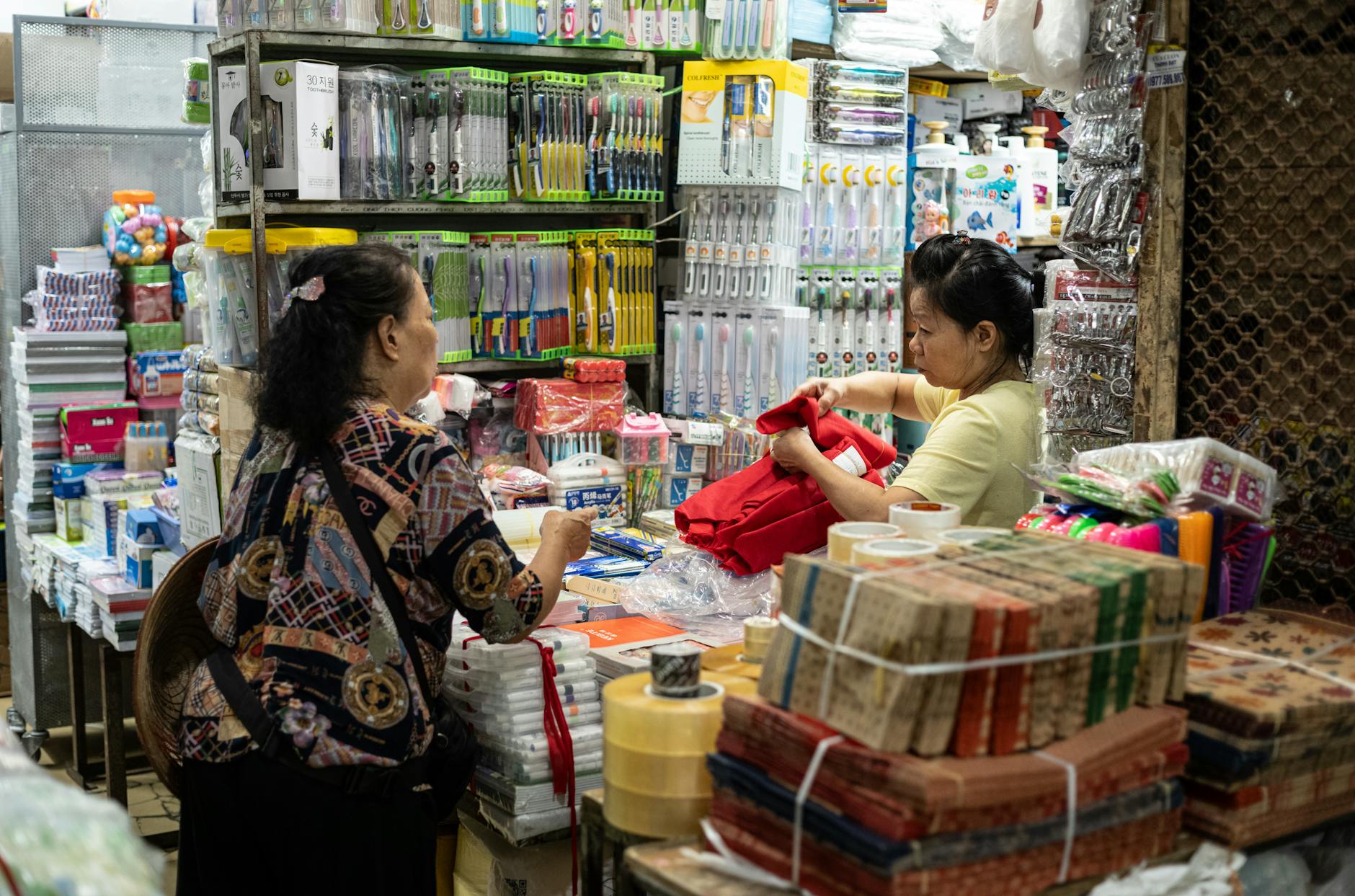
Night Market (Fri-Sun, 6:00 PM – Midnight): On Friday through Sunday evenings, the streets between Hang Dao and Dong Xuan transform into a pedestrian night market. Street vendors and shops set up outdoor stalls selling clothing, accessories, street food, and souvenirs. The atmosphere is festive and energetic – this is where locals shop as much as tourists.
Bargaining Tips
In the Hanoi Old Quarter’s street markets and small shops, bargaining is expected and part of the cultural experience. Here are insider tips:
Start Low: Initial offers should be around 50% of the asking price. The vendor will counter-offer, and you’ll gradually meet in the middle.
Be Friendly: Bargaining in Vietnam is a social interaction, not confrontational. Smile, chat with the vendor, and show genuine interest in their goods.
The Walk-Away Tactic: If a vendor won’t budge on price, politely thank them and start to leave. Often, they’ll call you back with a better offer.
Buy Multiple Items: Purchasing several items gives you legitimate leverage for a better overall price.
Avoid Peak Hours: Early morning shopping offers better bargaining opportunities than mid-day crowds.
Street Food in the Hanoi Old Quarter
Hanoi’s reputation as a street food capital is nowhere more evident than in the Hanoi Old Quarter. Every corner offers culinary adventures, and the prices are incredibly reasonable.
Best Food Streets and Alleys
Cam Chi Alley Food Court: This narrow alley tucked between Hang Gai and Hang Be is Hanoi’s most famous street food destination. Despite the name, it’s not a market but a collection of small food stalls and outdoor seating. Specialties include pho (noodle soup), banh mi (Vietnamese sandwiches), egg coffee, and sticky rice desserts. A satisfying meal costs 50,000-150,000 VND ($2.50-7.50 USD). Best visited for breakfast or dinner when locals pack the alley.
Tong Duy Tan Street: This street is famous for its beer joints and accompanying food. It’s the perfect place to enjoy bia hoi (fresh beer), grilled meats, and traditional Vietnamese snacks while mingling with locals. Beer costs 50,000-100,000 VND ($2.50-5 USD) per liter, and snacks are similarly priced.
Hang Gai Street Food Vendors: As you walk Hang Gai, you’ll encounter vendors selling traditional Hanoi specialties from carts and small storefronts.
Must-Eat Dishes
Pho (Beef Noodle Soup): Vietnam’s iconic dish, authentic Hanoi pho is lighter and simpler than southern versions. A bowl costs 40,000-80,000 VND ($2-4 USD). Try it for breakfast – it’s a local tradition.
Banh Mi (Vietnamese Sandwich): Crusty French baguettes filled with pâté, Vietnamese cold cuts, pickled vegetables, cilantro, and chili. Cost: 30,000-60,000 VND ($1.50-3 USD). Perfect for a quick lunch.
Egg Coffee: A Hanoi specialty featuring thick egg yolk and coffee cream served in strong Vietnamese coffee. It’s decadently rich and worth trying at least once. Cost: 50,000-80,000 VND ($2.50-4 USD).
Bun Cha (Grilled Pork with Noodles): Hanoi’s answer to BBQ, featuring grilled pork meatballs and meat served with rice noodles and dipping sauce. A plate costs 60,000-100,000 VND ($3-5 USD).
Sticky Rice with Mango: A traditional Vietnamese dessert, especially popular in summer. Cost: 30,000-60,000 VND ($1.50-3 USD).
Practical Tips for Exploring the Hanoi Old Quarter
Best Time to Visit
Morning (6:00-9:00 AM): Early mornings offer the most authentic Old Quarter experience. Street vendors set up their stalls, locals go about their daily routines, and the streets feel less touristy. It’s the best time for photographs and street food.
Evening (5:00-9:00 PM): As the sun sets, the Old Quarter transforms. Restaurants open, street lights glow, and the atmosphere becomes magical. Ta Hien Street comes alive with nightlife.
Avoid Midday (11:00 AM-4:00 PM): The heat is intense, tourist crowds are heaviest, and locals retreat indoors.
Weekend Pedestrian Zones: On weekends, several streets are closed to vehicle traffic, creating more pleasant walking conditions.
Getting Around
Walking: Walking is the best way to explore the Hanoi Old Quarter. The streets are compact and pedestrian-friendly (mostly), and you’ll discover hidden gems you’d miss otherwise. Wear comfortable shoes with good grip – wet streets can be slippery.
Cyclo Rides: A cyclo (three-wheeled passenger cart pedaled by a driver) is a quintessential Hanoi experience. Negotiate prices beforehand – expect 100,000-300,000 VND ($5-15 USD) for a 30-minute ride depending on route and time.
Motorbike Taxis: While convenient, motorbike taxis are generally not recommended for tourists unfamiliar with Hanoi’s traffic.
Safety Considerations
Pickpockets: The Hanoi Old Quarter’s crowded streets and tourist popularity make it a target for pickpockets. Keep valuables secure, watch your bags, and avoid displaying expensive jewelry or electronics.
Traffic Awareness: Hanoi’s traffic is famously chaotic. Always look both ways before crossing streets. Motorbikes can come from unexpected directions. Never assume a green light means it’s safe to cross.
Water and Food Safety: Stick to bottled water. While street food is generally safe (high turnover means fresh ingredients), be cautious with items that have sat out.
Scams: Common scams include overpriced drinks for tourists and cyclo drivers taking longer routes. Agree on prices beforehand and use established, reputable shops.
Photography Tips
Ask Permission: While many locals don’t mind being photographed, it’s respectful to ask first, especially inside temples.
Golden Hour: Early morning and late afternoon light is magical in the narrow streets, creating beautiful shadows and colors.
Detail Shots: Don’t just photograph landmarks – capture the details: weathered doorways, shop signs, street vendors, and architectural elements that tell the Old Quarter’s story.
Perspective: Get low or climb high to find unique angles. The narrow streets create interesting compositional opportunities.
Self-Guided Walking Route Through the Hanoi Old Quarter
Here’s a suggested 3-4 hour walking route that hits the major highlights of the Hanoi Old Quarter. Start with a map and comfortable shoes.
Duration: 3-4 hours (excluding meals and shopping)
Route Overview: Hoan Kiem Lake → Hang Gai Street → Hang Bac Street → Hang Ma Street → Bach Ma Temple → Dong Xuan Market → Ta Hien Street
Step 1 – Start at Hoan Kiem Lake (0 minutes): Begin your journey at Hoan Kiem Lake, Hanoi’s most iconic landmark. The lake’s name means “Returned Sword” and is associated with a 15th-century legend about a magic sword. Walk around the lake, appreciating the views and the local atmosphere. The old town entrance is just northeast of the lake.
Step 2 – Hang Gai Street (20 minutes): Enter the Old Quarter via Hang Gai Street, famous for silk and lacquerware. Browse the shops, stop for coffee or a snack, and soak in the street’s vibrant energy. Estimated time: 30-45 minutes for casual browsing.
Step 3 – Hang Bac Street (60 minutes): Turn onto Hang Bac, the oldest street in the Old Quarter. Explore jewelry shops and silver merchants. Take time to admire the architecture and perhaps visit the Heritage House at 51 Hang Bac. This is a good spot for photos.
Step 4 – Hang Ma Street (75 minutes): Head to Hang Ma to experience the colorful votive paper and festival decoration shops. Even if you’re not planning to buy, the visual spectacle is wonderful. In summer, the street is less crowded; before Tet or Mid-Autumn Festival, it’s a riot of color.
Step 5 – Bach Ma Temple (100 minutes): Find your way to Bach Ma Temple (White Horse Temple), one of the oldest and most important temples in the Old Quarter. Remove your shoes when entering, and explore the ornate interior. Light an incense stick if you wish (small donation appreciated).
Step 6 – Dong Xuan Market (130 minutes): Head to Dong Xuan Market, the largest covered market in the Old Quarter. This is where locals shop for everything from textiles to produce. Explore the multiple floors, but watch your valuables in crowded areas.
Step 7 – Ta Hien Street & Dinner (180 minutes): End your walking tour on Ta Hien Street (Beer Street) as the sun sets. The street comes alive in the evening with restaurants and bars. Grab a seat at one of the outdoor tables, order a cold bia Hanoi, and enjoy grilled meats, snacks, and the lively atmosphere. Watch the motorbike traffic, chat with fellow travelers, and let the energy of the Old Quarter wash over you.
Quick Reference: Key Streets and Highlights
| Street Name | Specialization | Historical Note | Highlights |
| Hang Bac | Silver, Jewelry | 13th century, oldest street | Heritage House at #51 |
| Hang Gai | Silk, Lacquerware | Historic silk district | Custom tailoring, upscale shops |
| Hang Ma | Votive Paper, Decorations | Festival supply center | Colorful atmosphere, especially before festivals |
| Hang Dao | Clothing, Fashion | Historic dye street | Night market Fri-Sun |
| Hang Buom | Food, Imported Goods | Historic sail makers | Bach Ma Temple entrance |
| Hang Thiec | Metalwork, Tools | Active craftspeople | Authentic, less touristy |
| Hang Quat | Religious Items, Altar Decorations | Ceremonial center | Vibrant red and gold colors |
| Hang Bong | Textiles, Bedding | Historic cotton merchants | Wholesale and retail |
| Ta Hien | Bars, Restaurants | Modern nightlife hub | Evening atmosphere, Beer Street |
Essential Information for Your Visit
Getting There: Hoan Kiem Lake (the southern boundary of the Old Quarter) is centrally located in Hanoi. From Noi Bai Airport (30km north), take a taxi (300,000-500,000 VND / $15-25 USD) or airport shuttle.
Where to Stay: The Old Quarter itself has many guesthouses and budget hotels (200,000-500,000 VND / $10-25 USD per night). For more comfort, hotels in the surrounding modern Hanoi offer more amenities while keeping you close to the action.
Language: English is spoken in tourist areas, but learning a few basic Vietnamese phrases is appreciated. “Xin chao” (hello) and “Cam on” (thank you) go a long way.
Currency: Vietnam uses Vietnamese Dong (VND). ATMs are readily available. Credit cards are accepted at larger establishments but not everywhere. Carry cash for street food and small shops.
Visa Requirements: Check current visa requirements for Vietnam. Many nationalities can obtain a visa on arrival or apply in advance.
More Old Quarter guides
Want to go deeper into the Old Quarter? These guides cover its streets, food, nightlife and history:
- Hanoi Old Quarter Walking Tour: Self-Guided Route
- 36 Streets of Hanoi: Complete Historical Guide
- Hanoi Old Quarter Street Food: Best Stalls
- Old Quarter Nightlife Hanoi: Bars, Clubs & Fun
- Shopping in Hanoi Old Quarter: Markets & Shops
- Hanoi Old Quarter Temples: Sacred Sites & History
- Old Quarter Architecture Hanoi: Colonial & Historic
- Hanoi Old Quarter History: From Past to Present
- Best Cafes in Hanoi Old Quarter: Coffee & Culture
- Dong Xuan Market Guide: Shopping & Night Market
- Old Quarter Accommodation: Best Hotels & Stays
Keep planning: explore our guides to things to do in Hanoi, Hanoi food guide, shopping in Hanoi, Hanoi nightlife.
Conclusion: The Living Heart of Hanoi
The Hanoi Old Quarter is more than just a tourist destination – it’s a living, breathing testament to Vietnamese history, culture, and commerce spanning over 1,000 years. The famous 36 streets, each with their own story and specialty, create an intricate tapestry of sights, sounds, and flavors that no modern commercial district can replicate.
Whether you’re seeking silk scarves, ancient architecture, spiritual experiences in centuries-old temples, or simply the authentic taste of Hanoi street food in a narrow alley at sunrise, the Hanoi Old Quarter delivers. The narrow tube houses reveal Vietnamese architectural ingenuity, the guild system’s legacy echoes in street names and shop specializations, and the energy of countless vendors, shoppers, and locals reminds you that you’re in a place where tradition and modernity intertwine.
Plan at least 2-3 days to properly explore the Hanoi Old Quarter. Walk its streets multiple times – early morning and at night – and you’ll see completely different sides of the same place. Chat with shopkeepers, stop for meals at hole-in-the-wall eateries, bargain good-naturedly at markets, and let yourself get slightly lost. These moments create the most memorable travel experiences.
The Hanoi Old Quarter represents the soul of Hanoi itself – ancient yet vibrant, chaotic yet organized, modest yet magnificent. It’s no wonder this extraordinary neighborhood has captivated travelers for centuries.
Related Reading & Internal Resources
Want to explore more of Hanoi? Check out our other comprehensive guides:
- The Ultimate Hanoi Food Guide: Street Food, Restaurants & Local Dishes
- 50 Best Things to Do in Hanoi: Temples, Museums, Lakes & More
- Where to Stay in Hanoi: Neighborhoods, Hotels & Guesthouses
- Complete Hanoi Travel Guide: Planning Your Perfect Vietnamese Adventure
External Resources & Further Reading
For more information about the Hanoi Old Quarter and Vietnam tourism:
- UNESCO World Heritage Site: Thang Long Imperial Citadel and Surroundings
- Vietnam National Tourism Administration
- Official Hanoi Government Portal
Updated: April 2026