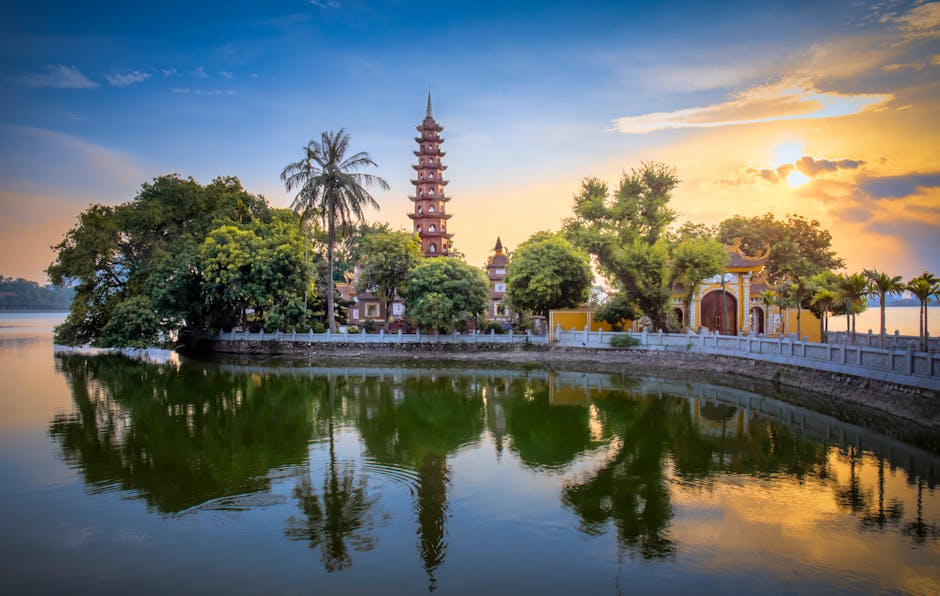
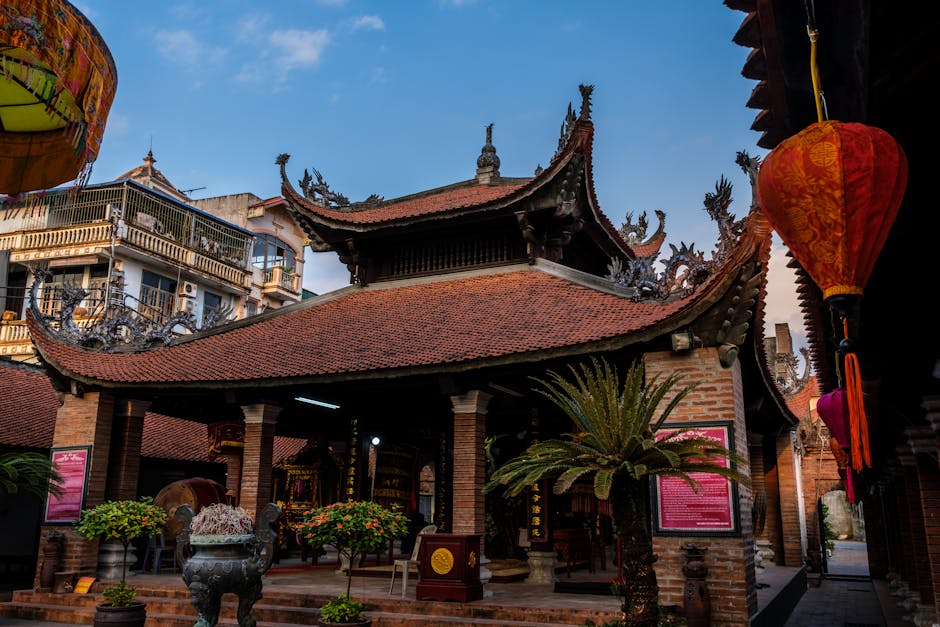
Hanoi is home to hundreds of pagodas, temples, and Buddhist sites — from the 6th-century Tran Quoc Pagoda (Vietnam’s oldest) to the iconic One Pillar Pagoda, atmospheric Bach Ma Temple, and the famed Ngoc Son Temple on Hoan Kiem Lake. These sacred sites blend Buddhist, Confucian, and Vietnamese folk religion traditions in a uniquely Vietnamese spiritual landscape. This complete Hanoi pagodas and temples guide for 2026 covers the must-visit sites, their histories, and how to visit respectfully.
Pagoda vs Temple: What’s the Difference?
- Pagoda (Chua): Buddhist worship site. Multiple structures with statues of Buddha, bodhisattvas, and Buddhist deities.
- Temple (Den or Mieu): Honors historical figures, kings, generals, or local deities. Single building or compound.
- Communal House (Dinh): Village center honoring patron spirits.
- Cathedral (Nha Tho): Catholic church.
Must-Visit Hanoi Pagodas
1. Tran Quoc Pagoda (Vietnam’s Oldest)
- Founded: 6th century AD (Vietnam’s oldest).
- Location: Small peninsula on West Lake (Tay Ho).
- Highlights: 11-story stupa (added 1639), Bodhi tree from India, sunset views over lake.
- Entry: Free.
- Hours: 7:30 AM – 6:00 PM.
- Why visit: Most beautiful pagoda location in Hanoi.
2. One Pillar Pagoda (Chua Mot Cot)
- Built: 1049 AD by King Ly Thai Tong.
- Design: Wooden Buddhist temple atop single stone pillar — resembles lotus blossom rising from water.
- Location: Ba Dinh District (near Ho Chi Minh Mausoleum).
- Entry: Free.
- Hours: Daily 7-6.
- Why visit: Iconic Vietnamese architecture, photo-worthy.
3. Ngoc Son Temple
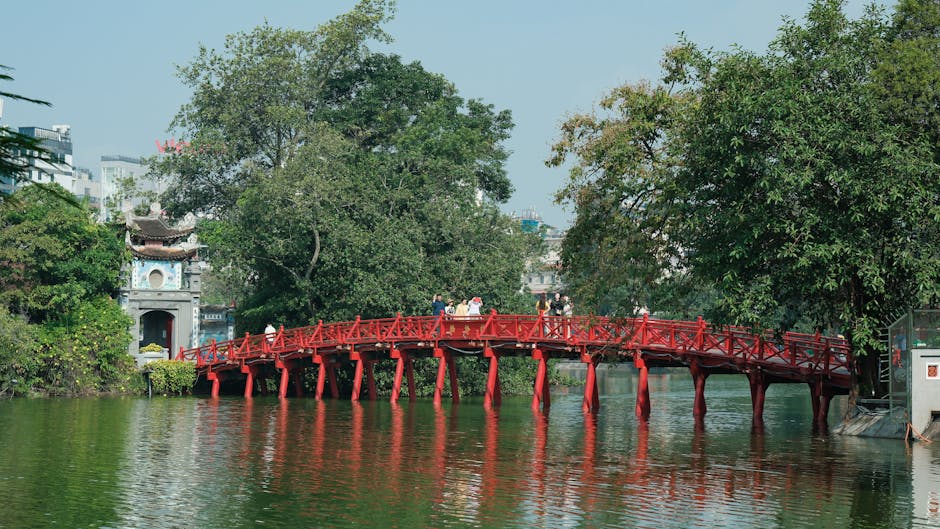
- Built: 1841.
- Location: Jade Island in Hoan Kiem Lake.
- Access: Red wooden bridge.
- Honors: General Tran Hung Dao (defeated Mongols 13th century).
- Entry: 30,000 VND ($1.20).
- Hours: 7:00 AM – 6:00 PM.
- Why visit: Easy to combine with Old Quarter, iconic photo.
4. Bach Ma Temple (Oldest in Old Quarter)
- Built: 9th century AD.
- Location: 76 Hang Buom Street, Old Quarter.
- Honors: White Horse spirit (legend of city founding).
- Entry: Free.
- Why visit: Old Quarter walking tour stop, atmospheric.
5. Quan Su Pagoda (Buddhist Headquarters)
- Built: 15th century.
- Location: 73 Quan Su Street.
- Significance: Headquarters of Vietnam Buddhist Association.
- Entry: Free.
- Why visit: Active Buddhist worship, religious atmosphere.
6. Hai Ba Trung Temple
- Built: 12th century.
- Location: Dong Nhan Ward, Hai Ba Trung District.
- Honors: Trung sisters (40 AD revolt against Chinese).
- Entry: Free.
- Why visit: Vietnamese feminism heritage.
7. Phu Tay Ho (West Lake Spirit Temple)
- Built: 17th century.
- Location: Quang An, Tay Ho District.
- Honors: Mother Goddess (Dao Mau religion).
- Entry: Free.
- Why visit: Unique Vietnamese Mother Goddess worship.
8. Voi Phuc Temple
- Built: 11th century.
- Location: Cau Giay District.
- Honors: Prince Linh Lang (warrior who defeated Song dynasty).
- Entry: Free.
9. Quan Thanh Temple
- Built: 11th century, last rebuilt 1893.
- Location: Near Tran Quoc Pagoda.
- Honors: Northern guardian deity Tran Vu.
- Entry: 10,000 VND ($0.40).
- Highlights: 4-meter black bronze statue of Tran Vu (cast 1677).
10. Kim Lien Pagoda
- Built: 1631.
- Location: Tay Ho District, near West Lake.
- Highlights: Beautifully landscaped, lotus pond.
11. Perfume Pagoda (Day Trip)
- 60 km southwest of Hanoi, day trip required.
- Cave-temple complex.
- Major Buddhist pilgrimage site.
- See our Perfume Pagoda guide.
Pagoda Visit Etiquette
- Cover shoulders and knees — no tank tops, short shorts.
- Remove shoes entering main worship halls.
- Don’t point feet at Buddha statues or altars.
- Lower voices in worship areas.
- Photography mostly OK — ask before photographing during ceremonies.
- Don’t touch statues or sacred objects.
- Small donations welcome at offering boxes (1,000-50,000 VND).
- Light incense respectfully if offered — usually 3 sticks.
- Don’t step on temple thresholds — step over.
- Move clockwise around altars.
Best Times for Pagoda Visits
- Early morning (7-9 AM): Quietest, atmospheric.
- Full moon days (15th of lunar month): Active worship, crowded.
- 1st day of lunar month: Busy with Buddhist worshippers.
- Tet (Lunar New Year): Maximum activity, beautiful but crowded.
- Vesak (Buddha’s Birthday): Special ceremonies.
Hanoi Pagoda Walking Tour (4-5 Hours)
- 9:00 AM: Tran Quoc Pagoda (West Lake).
- 10:00 AM: Quan Thanh Temple (10 min walk).
- 10:45 AM: Walk along West Lake to Phu Tay Ho.
- 11:30 AM: Lunch at lake-side cafe.
- 1:00 PM: Grab to One Pillar Pagoda.
- 2:00 PM: Walk to Ho Chi Minh Mausoleum area.
- 3:00 PM: Grab to Ngoc Son Temple at Hoan Kiem.
- 4:00 PM: Walk to Bach Ma Temple in Old Quarter.
- 5:00 PM: End at Quan Su Pagoda.
Vietnamese Buddhism Quick Guide
- Tradition: Mahayana Buddhism (different from Thai Theravada).
- Bodhisattvas honored: Avalokitesvara (Quan Am), Manjushri, Maitreya.
- Buddha forms: Past, present, future Buddhas all venerated.
- Folk elements: Mother Goddess (Dao Mau) often mixed with Buddhism.
- Vegetarian days: 1st and 15th of lunar month, many devout follow.
- Funeral practices: Buddhist rituals at pagodas.
What Locals Pray For
- Tran Quoc: Peace, wisdom.
- Ngoc Son: Military strength, courage.
- Bach Ma: Business success.
- Phu Tay Ho: Family, mother’s blessings, fortune.
- Quan Thanh: Protection from evil.
- Hai Ba Trung: Strength, especially for women.
Photography Tips
- Tran Quoc: Sunset reflection in West Lake.
- One Pillar: Wide-angle straight-on.
- Ngoc Son: Red bridge from across lake.
- Bach Ma: Atmospheric Old Quarter shot.
- Tet: Worshippers and decorations.
- Always ask before photographing people praying.
Hanoi Pagodas FAQs
Oldest pagoda in Hanoi?
Tran Quoc (6th century).
Most beautiful pagoda?
Subjective — Tran Quoc for setting, One Pillar for design, Ngoc Son for accessibility.
Are they all free?
Most yes. Ngoc Son (30,000 VND) and Quan Thanh (10,000 VND) charge small fees.
Can non-Buddhists visit?
Yes — all welcomed with respectful behavior.
Should I leave a donation?
Optional but appreciated. 10,000-50,000 VND ($0.40-2) modest amount.
Are pagodas open daily?
Most yes. Hours vary 6-7 AM to 5-6 PM.
Are there pagoda tours?
Yes — English-speaking guides offer specialized tours $20-50 for 3-5 hours.
Can I photograph worshippers?
Generally avoid — ask first. Photograph architecture and gardens freely.
Plan Your Pagoda Tour
Hanoi’s pagodas connect you to 1,000+ years of Vietnamese spirituality. Pair this guide with our culture and history pillar, cultural experiences, Old Quarter temples guide, and Perfume Pagoda guide.