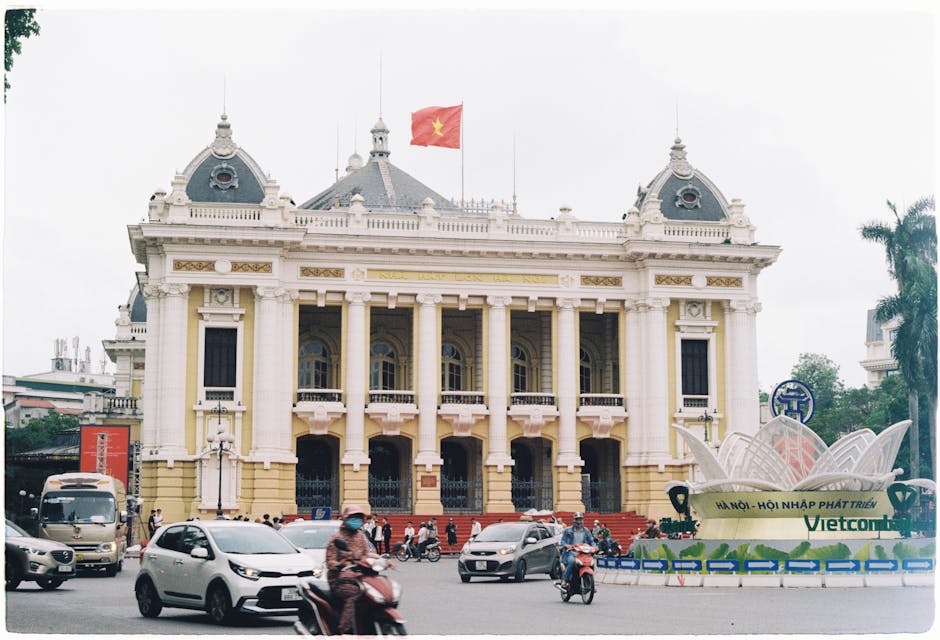
Hanoi’s French colonial architecture is the city’s most distinctive heritage. Between 1873 and 1954, French planners and architects built grand boulevards, ornate villas, neo-classical government buildings, gothic churches, and majestic hotels — transforming an ancient Vietnamese imperial city into the elegant capital of French Indochina. Today, the French Quarter remains one of Asia’s most atmospheric architectural districts. This complete French colonial architecture Hanoi guide for 2026 covers the must-see buildings, walking routes, history, and how to experience this layered heritage.
Quick History of French Architecture in Hanoi
French forces took Hanoi in 1873; in 1888 it became capital of French Indochina. From 1888-1954, the French rebuilt large parts of the city in European styles — first neoclassical (1888-1920), then art deco and modernist (1920-1954). After 1954 independence, many buildings were repurposed; some were demolished. Today, hundreds remain in remarkable condition, especially in the French Quarter.
Must-See French Colonial Buildings
1. Hanoi Opera House (Nha Hat Lon)
- Built: 1901-1911. Architects: Vildieu and Broyer.
- Style: Neoclassical, modeled on Paris Opera Garnier.
- Location: 1 Trang Tien Street.
- Visit: Performances year-round. Daily 30-min guided tours 10:30 AM (300,000 VND).
- Highlight: Crown jewel of French Hanoi.
2. St. Joseph’s Cathedral
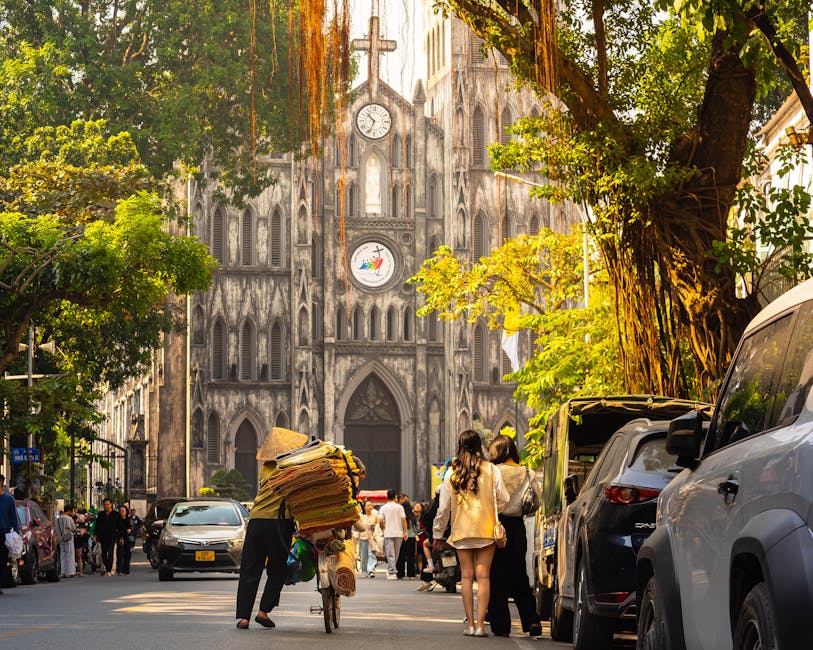
- Built: 1886.
- Style: Neo-Gothic, inspired by Notre-Dame de Paris.
- Location: 40 Nha Chung Street.
- Visit: Free entry during mass times. Free outside.
- Highlight: Twin bell towers, atmospheric Old Quarter setting.
3. Sofitel Legend Metropole Hanoi
- Built: 1901.
- Style: Classical French colonial.
- Location: 15 Ngo Quyen Street.
- Significance: Hosted Charlie Chaplin, Somerset Maugham, Graham Greene, Joan Baez during war.
- Visit: Free to walk through public areas. Path of History tours $25 includes Vietnam War bomb shelter.
4. Presidential Palace
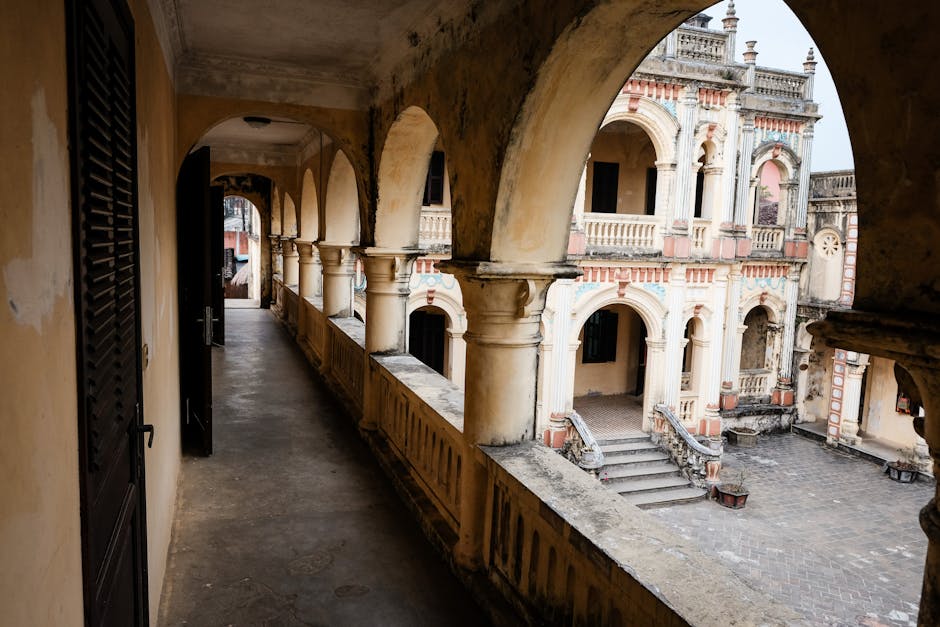
- Built: 1901-1906.
- Style: Italian Renaissance.
- Original Use: French Governor of Indochina’s residence.
- Now: Government ceremonial building.
- Location: Inside Ho Chi Minh complex, Ba Dinh District.
- Visit: Exterior only. 40,000 VND complex entry.
5. State Bank of Vietnam (Former Bank of Indochina)
- Built: 1925-1930.
- Style: Art Deco.
- Location: 49 Ly Thai To Street.
- Visit: Exterior only.
6. Hanoi Cathedral of the Living God (St. Joseph’s)
Different church but worth visiting. Smaller, atmospheric.
7. Long Bien Bridge
- Built: 1898-1902. Designed by Daydé & Pillé (Paris).
- Length: 1.7 km across Red River.
- Significance: Heavily bombed during American War; partially rebuilt.
- Visit: Walk across in early morning for sunrise photography.
8. National Museum of Vietnamese History
- Built: 1925.
- Style: French neo-Gothic blending Vietnamese motifs (early “Indochinese” style).
- Location: 1 Pham Ngu Lao Street.
- Visit: Daily 8 AM-5 PM. Entry 40,000 VND.
9. Trang Tien Plaza (Former Godard Department Store)
- Built: 1901.
- Original Use: Hanoi’s first department store.
- Now: Modern shopping mall in restored colonial building.
10. Hanoi Central Post Office
- Built: 1899.
- Location: 75 Dinh Tien Hoang.
- Visit: Walk in to see grand interior.
11. Hoa Lo Prison (Hanoi Hilton)
- Built: 1896 by French.
- Original use: Held Vietnamese political prisoners.
- Later: Held US POWs during American War.
- Visit: Now a museum. 30,000 VND entry.
12. Vietnam Fine Arts Museum (Former Le Lycee Catholic School)
- Built: 1937.
- Visit: 40,000 VND entry.
13. French Quarter Villas
Hundreds of villas remain along Trang Thi, Ly Thuong Kiet, Hai Ba Trung, Quan Su, and Phan Dinh Phung streets. Many converted to embassies, government offices, or private residences.
14. Hanoi Train Station (Former Gare de Hanoi)
- Built: 1902.
- Original entrance hall survives.
- Visit: Free, but watch crowds and traffic.
15. Friendship Cultural Palace (Cung Huu Nghi)
- Built: 1985 (post-colonial but on a former colonial site).
- Modernist Soviet-French style.
Self-Guided Walking Tour (3-4 Hours)
- 9:00 AM: Start at Hanoi Opera House (1).
- 9:30 AM: Walk to State Bank of Vietnam (5).
- 10:00 AM: Sofitel Legend Metropole (3) — coffee in Le Club lobby.
- 10:45 AM: Walk to Trang Tien Plaza (9).
- 11:15 AM: National Museum of Vietnamese History (8).
- 12:30 PM: Lunch in French Quarter.
- 1:30 PM: Hanoi Central Post Office (10).
- 2:00 PM: St. Joseph’s Cathedral (2).
- 2:45 PM: Hoa Lo Prison Museum (11).
- 4:00 PM: French Quarter villa walk along Phan Dinh Phung Street.
Best Cafes in Restored French Buildings
- Note Coffee — sticky notes on French Quarter walls.
- The Hanoi Social Club — restored colonial.
- Daluva — rooftop in old French villa.
- Cafe Pho Co — in restored Old Quarter mansion.
- L’Espace — French cultural center cafe.
Photography Tips
- Opera House — from August Revolution Square steps.
- Cathedral — from across street with cyclos in foreground.
- Long Bien Bridge — sunrise from Red River bank.
- French Quarter villas — tree-lined streets in autumn light.
- Sofitel Metropole — from corner of Phan Chu Trinh.
- Train station — with old French clock tower.
- Best season: October-November for clear sky and golden light.
French Quarter Walking Streets
- Trang Thi: Many restored villas.
- Ly Thuong Kiet: Embassies in colonial buildings.
- Phan Dinh Phung: Tree-lined classical villas.
- Quan Su: Mix of colonial and modern.
- Hai Ba Trung: Government and cultural buildings.
Combine With Other Sites
- Old Quarter walking tour (different style, traditional Vietnamese).
- Imperial Citadel of Thang Long (Vietnamese imperial).
- Ho Chi Minh Mausoleum (Soviet-influenced).
- Hanoi Opera House performance (evening).
Architectural Styles in Hanoi
- Neoclassical (1888-1920): Opera House, Government Guesthouse.
- Art Deco (1920-1940): State Bank, some villas.
- Indochinese style (1925-1945): Blending French and Vietnamese motifs — National Museum of Vietnamese History is best example.
- Modernist (1940-1954): Some apartment buildings.
- Tropical Modernism: Few examples remain.
Preservation Status
Many French colonial buildings have been preserved as government buildings, museums, hotels, or embassies. Some have been demolished for modern construction. UNESCO and Vietnamese heritage groups continue to advocate for protection. The French government supports restoration projects through cultural diplomacy.
French Colonial Architecture FAQs
How much French architecture remains?
Hundreds of buildings, especially in French Quarter. Many converted to government use or museums.
Best single building to visit?
Hanoi Opera House — both inside (performance) and outside (architecture).
Is the French Quarter walkable?
Yes — tree-shaded streets, manageable pace.
Can I tour the Opera House interior?
Yes — daily guided tours and performances.
Is there a French architecture museum?
Not specifically, but the National Museum of Vietnamese History is in a great example.
What’s the best season for architecture photos?
October-November (clear skies, golden light).
Are guided tours available?
Yes — Sofitel Metropole’s Path of History tour is excellent. Several private guides specialize.
How long for full architecture tour?
Half-day for top sites. Full day with multiple villas and museum.
Plan Your French Architecture Tour
Hanoi’s French heritage is unmissable. Pair this guide with our culture and history pillar, French Quarter hotels guide, walking tours guide, and museums guide.