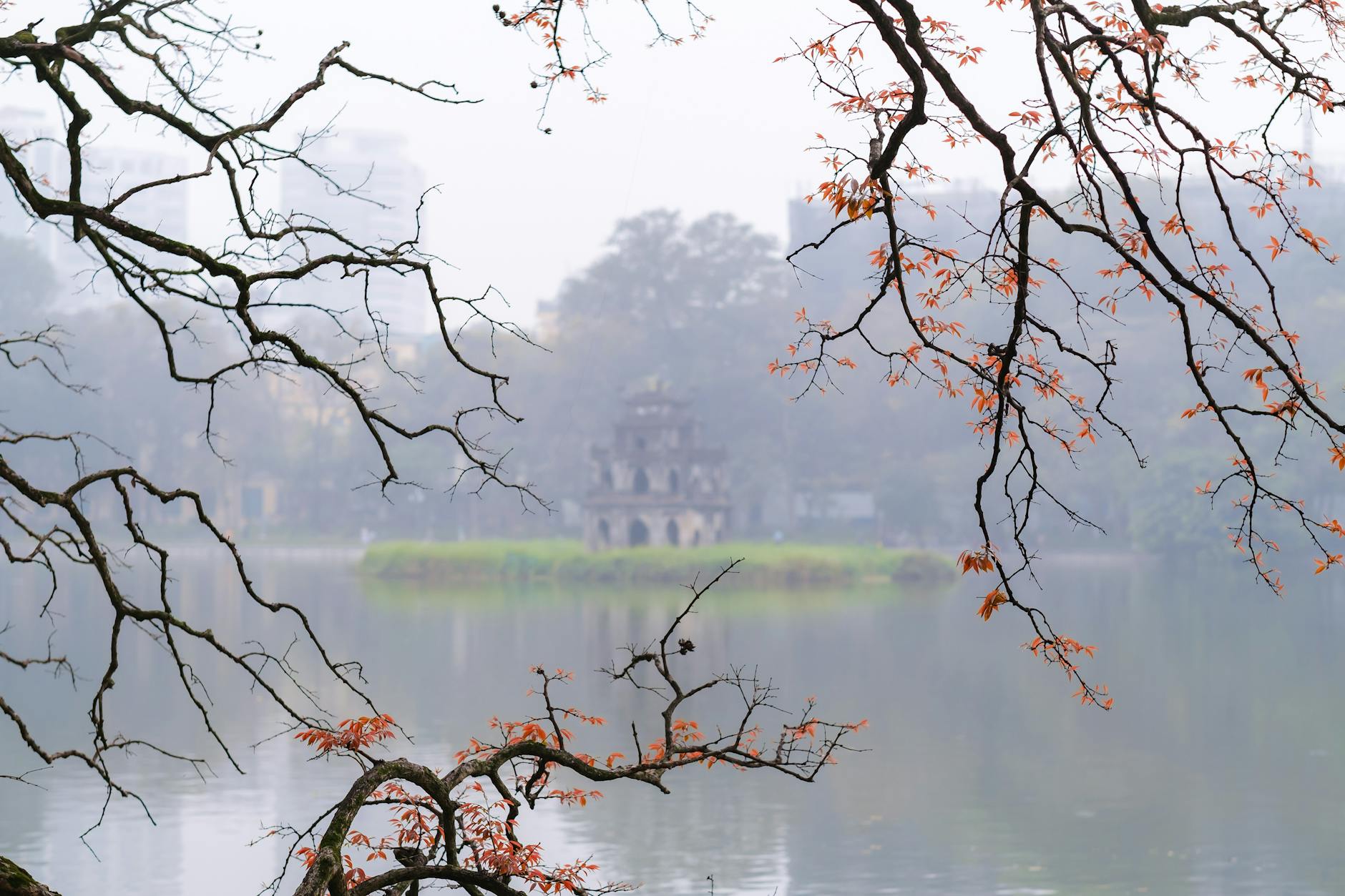
Planning a trip to Hanoi? Understanding the best time to visit hanoi is crucial for making the most of your experience. This ancient city experiences dramatically different weather patterns throughout the year, and your chosen season will significantly impact everything from what you can see and do, to what you’ll pack and how much you’ll spend. In this comprehensive guide, we’ll walk you through each season, month by month, so you can choose the perfect time for your Hanoi adventure.
Quick Answer: When is the Best Time to Visit Hanoi?
If you’re short on time: October and November are the best time to visit hanoi for most travelers. During these months, the autumn weather brings cool temperatures (18-24°C / 64-75°F), low humidity, and clear skies perfect for exploring the Old Quarter, taking day trips, and enjoying outdoor activities. However, the “best” time ultimately depends on your preferences, budget, and what you want to experience.

Spring in Hanoi (February to April): Floral Beauty and Renewal
Spring is a transitional season in Hanoi, marking the shift from cool to warm weather. If you’re considering whether spring is the best time to visit hanoi, here’s what you need to know about these three months.
February: Lunar New Year and Tet
February is dominated by Tet (Lunar New Year), which typically falls in late January or early February. This is one of the most significant celebrations in Vietnamese culture, with decorations, special foods, and street closures throughout Hanoi. Temperatures begin to climb, averaging 15-20°C (59-68°F), but humidity remains relatively low at 65-70%.
Pros: Witness the vibrant Tet celebrations, reduced crowds after the initial holiday rush, pleasant weather for walking, beautiful decorations with peach blossoms and kumquat trees.
Cons: Many shops and restaurants close during Tet week, higher prices for accommodations if you plan to visit during the peak celebration days, streets may be congested with decorations and crowds.
What to Pack: Light layers (sweaters, light jackets), comfortable walking shoes, sunscreen, and a light scarf for temple visits.
March and April: Cherry Blossoms and Warming Weather
As spring progresses, temperatures steadily increase, reaching 20-28°C (68-82°F) by April. Humidity climbs to 70-75%. The city experiences some rainfall, particularly toward the end of April as the southwest monsoon begins to influence the weather patterns.
March hosts the Perfume Pagoda Festival, a major pilgrimage event where thousands of devotees visit one of Vietnam’s most sacred temples nestled in limestone mountains. It’s a deeply meaningful cultural experience and a unique aspect of spring in Hanoi.

Pros: Cherry blossoms bloom in early spring, clear days ideal for sightseeing, outdoor activities become more comfortable, prices remain reasonable before peak season, pleasant temperatures for walking tours.
Cons: Increasing rainfall toward April, pollen counts may affect those with allergies, humidity starts climbing, beginning of tourist season means more crowded attractions.
What to Pack: Lightweight clothing, light rain jacket or umbrella (especially for April), comfortable walking shoes, sunglasses, and sun protection.
Summer in Hanoi (May to August): Hot, Humid, and Monsoon Season
Summer is unquestionably the most challenging season for visiting Hanoi. Temperatures soar to 28-35°C (82-95°F), with some days reaching above 37°C (98°F). Humidity levels regularly exceed 80%, often reaching 85-90%. The southwest monsoon brings significant rainfall, with frequent afternoon thunderstorms that can last 30 minutes to an hour.
The combination of extreme heat and high humidity creates oppressive conditions. The Vietnamese often spend summer indoors or in air-conditioned spaces, and locals joke that “summer is for sleeping, not sightseeing.”
Why Some Travelers Choose Summer
Despite the challenging weather, summer isn’t without advantages if you’re flexible. Prices for accommodations drop significantly, with many hotels offering 30-50% discounts compared to peak season. Fewer tourists means less crowded attractions like the Temple of Literature and Ho Tay Lake. Domestic travelers from cooler northern mountain regions visit Hanoi during summer, creating a different cultural atmosphere.
Average Rainfall: June and July are the wettest months, with 200-250mm of rain. August receives around 180mm.
What to Pack: Extremely light, breathable clothing, flip-flops or sandals (you’ll change shoes multiple times after rain), compact umbrella, waterproof bag for electronics, light rain jacket, high SPF sunscreen, and hydration essentials.
Pro Tips for Summer Travel: Plan indoor activities for afternoons (museums, shopping malls, cooking classes), start sightseeing very early (6-7 AM), take frequent breaks in air-conditioned cafes, stay hydrated constantly, and embrace the local routine of resting during midday heat.
Autumn in Hanoi (September to November): The Ideal Season
Autumn is universally recognized as the best time to visit hanoi. The oppressive summer heat begins to break, humidity drops, and the city experiences some of its most beautiful days. The northeast monsoon replaces the southwest monsoon, bringing dry, cool air from the mountains of northern Vietnam and China.
September: Transition Month
Early September still retains some summer heat, with temperatures around 28-32°C (82-90°F), but toward the end of the month, weather patterns shift dramatically. Rainfall decreases significantly, averaging only 120mm for the month. Humidity begins its gradual decline to around 75-78%.
Characteristics: Brief afternoon showers become less frequent, increasingly clear skies, more comfortable for outdoor activities, tourist numbers increase but remain manageable.
October and November: Peak Season Paradise
These two months represent the absolute best time to visit hanoi. October and November offer the most perfect combination of weather factors: temperatures hover around 20-27°C (68-81°F), humidity drops to 60-70%, and rainfall is minimal (50-100mm per month). Blue skies dominate, and the city feels refreshed and vibrant.
The city’s natural beauty shines during autumn. Hoan Kiem Lake is perfect for morning strolls, the Old Quarter bustles with comfortable outdoor cafe seating, and day trips to Ha Long Bay offer excellent visibility. The Red River Delta landscape comes alive with golden rice fields ready for harvest.
Major Events: Vietnam National Day (September 2nd) features parades, flags, and national celebrations. The Mid-Autumn Festival (falls in September or October depending on lunar calendar) is celebrated with lanterns, mooncakes, and children’s processions throughout the city.
Pros of Autumn: Perfect weather for all outdoor activities, excellent visibility for photography, ideal for trekking in nearby regions like Sapa, Ha Long Bay tours operate smoothly, comfortable for walking tours of the Old Quarter and French Quarter, cultural festivals create vibrant atmosphere, reasonable accommodation prices before peak winter tourism, lower disease mosquito season.
Cons of Autumn: Higher prices compared to other seasons (still reasonable compared to peak European winter tourism), moderately crowded with both domestic and international tourists, can book accommodations months in advance for October-November, more tourists means more competition for restaurant seating during peak hours.
What to Pack: Light clothing with a light sweater or jacket for early mornings and evenings, comfortable walking shoes, sunglasses, light hat, minimal rain gear (bring a compact umbrella just in case), and sunscreen.
Winter in Hanoi (December to January): Cool, Misty, and Atmospheric
Winter in Hanoi surprises many visitors unfamiliar with Southeast Asian weather patterns. While never cold by European or North American standards, Hanoi does experience genuinely cool weather during December and January, with temperatures ranging from 12-20°C (54-68°F). What makes winter feel colder than the thermometer suggests is the high humidity and lack of central heating in most buildings.
The iconic Hanoi mist and fog roll in during winter, creating an atmospheric, moody aesthetic. Humidity remains around 70-75%, and the city experiences occasional drizzle and light rain, averaging 50-100mm per month.
The “Cold” that Isn’t Cold
Hanoi doesn’t have central heating in homes, hotels, or most public buildings. Even temperatures of 15-18°C feel cold when you step out of the sun or enter air-conditioned spaces. Locals bundle up in winter coats, scarves, and even beanies. The humidity makes cold feel more penetrating, and wind off the Red River can feel biting.

Pros of Winter: Comfortable temperatures for walking and outdoor activities compared to summer, low rainfall and minimal humidity, atmospheric fog and mist perfect for photography, fewer international tourists than autumn (except Christmas/New Year period), excellent prices on accommodations outside holiday weeks, perfect weather for trekking in Sapa and nearby highlands, romantic, moody atmosphere in the Old Quarter.
Cons of Winter: Cold nights require significant layering, occasional drizzle and mist can obscure views and make activities less comfortable, shorter daylight hours (sunset around 5 PM in December), Sapa and northern regions can be quite cold and cloudy, expensive accommodation during Christmas and New Year period, smaller tourist infrastructure in some areas.
What to Pack: This is crucial for winter comfort. Bring a proper winter jacket, sweaters and long-sleeved shirts, long pants, closed-toe shoes with good traction (streets can be slippery), warm socks, scarf or light wrap, beanie or hat, sunglasses (winter sun can be bright), and a compact umbrella for occasional drizzle.
Month-by-Month Weather and Tourism Guide
| Month | Avg Temp (°C/°F) | Rainfall (mm) | Humidity (%) | Rating | Best For |
|---|---|---|---|---|---|
| January | 15-20°C / 59-68°F | 50 | 72 | ★★★★☆ | Cool walking tours, Sapa trekking, New Year celebrations |
| February | 15-22°C / 59-72°F | 30 | 65 | ★★★★★ | Tet Festival, Perfume Pagoda pilgrimage, low crowds |
| March | 18-25°C / 64-77°F | 40 | 68 | ★★★★★ | Perfume Pagoda Festival, blooming flowers, comfortable weather |
| April | 22-28°C / 72-82°F | 100 | 75 | ★★★☆☆ | Late spring festivals, transitional season, increasing humidity |
| May | 26-32°C / 79-90°F | 120 | 78 | ★★☆☆☆ | Budget travelers, low prices, monsoon beginning |
| June | 27-33°C / 81-91°F | 250 | 82 | ★☆☆☆☆ | Extreme heat and rain, indoor activities only, rock-bottom prices |
| July | 27-34°C / 81-93°F | 240 | 84 | ★☆☆☆☆ | Domestic tourism, lowest prices, plan for afternoon thunderstorms |
| August | 26-32°C / 79-90°F | 180 | 81 | ★★☆☆☆ | Some relief from peak heat, slightly less rainfall, still hot |
| September | 24-30°C / 75-86°F | 120 | 78 | ★★★★☆ | Monsoon transition, National Day celebrations, improving weather |
| October | 20-27°C / 68-81°F | 80 | 65 | ★★★★★ | PEAK SEASON – Perfect weather, mid-autumn festival, best conditions |
| November | 18-25°C / 64-77°F | 60 | 62 | ★★★★★ | PEAK SEASON – Ideal weather, clear skies, excellent visibility |
| December | 14-22°C / 57-72°F | 30 | 70 | ★★★★☆ | Cool weather, Christmas markets, comfortable walking, higher prices |
Seasonal Tourism Patterns: Pricing and Crowds
Peak Season (October to November, December 20 – January 2)
October and November are the primary peak season for tourism in Hanoi. Hotels charge their highest rates, tourist attractions are crowded, and restaurants in popular areas have wait times. However, the weather justifies the demand—these are genuinely the best time to visit hanoi for most travelers. Accommodation prices during peak dates can be 50-100% higher than shoulder season.
The Christmas and New Year period (December 20 – January 2) also sees significant price increases and crowding, particularly among Western travelers seeking warm climates during winter.
Shoulder Season (February to April, September, December 1-19)
Shoulder season offers the best balance of good weather and reasonable prices. February-March weather is pleasant, prices are 20-30% lower than peak season, and crowds are manageable. September offers improving autumn weather at moderate prices before peak season arrives. December 1-19 provides cool weather without peak holiday pricing.
Low Season (May to August)
Summer is definitively low season due to extreme heat and monsoon rainfall. Hotel prices drop 40-60% from peak season rates. This is ideal for budget travelers who can tolerate heat, those seeking authentic experiences without tourists, and travelers from equatorial regions accustomed to tropical weather.
Weather Impact on Popular Day Trips and Activities
Ha Long Bay Cruises
Ha Long Bay’s spectacular karst landscape is best appreciated with clear visibility. October-November offers excellent conditions with calm seas and clear skies. Summer monsoons create rough seas and poor visibility. Winter can be misty and cloudy but still navigable. Spring (March-April) offers good conditions with occasional rain.
Sapa Trekking and Mountain Activities
The Sapa Mountains near the Chinese border are best for trekking during dry seasons. September-November offers ideal conditions—cool, dry, and clear. Winter (December-January) can be very cold and cloudy, though experienced trekkers enjoy the challenge. Summer monsoons make trails slippery and visibility poor. Spring offers moderate conditions with occasional rain.
Cycling Tours
Cycling through the Red River Delta is popular and the best time to visit hanoi for cycling is autumn. September-November provide perfect cycling weather—cool temperatures, low humidity, and minimal rain. Summer heat makes cycling uncomfortable and dangerous. Spring and winter are acceptable for experienced cyclists.
Street Food Tours and Evening Activities
Street food tours are enjoyable year-round, but autumn evening temperatures make them most comfortable. Summer nights are still hot and humid despite lower temperatures than daytime. Winter nights can feel cold without proper clothing, but create atmospheric night market experiences.
Major Festivals and Events Throughout the Year
Hanoi’s festivals follow lunar calendar traditions, so dates vary annually. However, key events to plan around include:
Tet Nguyen Dan (Lunar New Year): Usually January 29 – February 2, 2026. Vietnam’s most important festival brings decorations, special foods, family gatherings, and partial shutdowns of businesses. Perfect time to experience authentic Vietnamese culture, though crowds and closures require planning.
Perfume Pagoda Festival: February-March. An ancient pilgrimage festival where hundreds of thousands of devotees visit Hang Mua pagoda in mountainous limestone caves. Accessible as a day trip from Hanoi via scenic boat ride.
Vietnam National Day: September 2. Celebrated with parades, flags, fireworks, and national ceremonies. Streets are decorated and festivities last several days. Good opportunity to see Hanoi’s patriotic celebrations.
Mid-Autumn Festival (Tet Trung Thu): Falls in September or October depending on lunar calendar. Celebrated since ancient times with lanterns, mooncakes, and special desserts. Children’s processions through streets with traditional lanterns create magical evening atmospheres in the Old Quarter and throughout the city.

Christmas and New Year: December 25 – January 1. While not traditionally Vietnamese celebrations, Hanoi’s growing international community and tourist infrastructure bring Christmas markets, decorations in the Old Quarter, and New Year festivities. Hotels and tourist attractions remain busy.
Climate Change and Weather Pattern Shifts
Climate scientists have documented notable changes to Hanoi’s weather patterns in recent decades. Monsoon seasons are becoming less predictable, with delayed onsets and extensions into unexpected months. Summer temperatures have trended upward, with more extreme heat days recorded. Spring arrives earlier, and winters are becoming slightly milder on average, though occasional cold snaps still occur.
These shifts mean that traditional weather patterns used for tourism planning are gradually shifting. October-November remain the best time to visit hanoi, but starting dates for reliable weather patterns may shift earlier or later depending on the year. When planning your trip, consult recent weather forecasts rather than relying solely on historical averages.
What to Pack: Complete Seasonal Checklists
Autumn Packing Essentials (Best Season)
Clothing: Light pants or skirts, short-sleeved shirts, light sweater or jacket for evening, comfortable walking shoes, sandals. Accessories: Sunglasses, lightweight scarf, small backpack or crossbody bag. Sun Protection: High SPF sunscreen, hat or baseball cap. Minimal Rain Gear: Small compact umbrella (rarely needed). Electronics: Phone charger, portable power bank for day trips.
Winter Packing Essentials
Clothing: Winter jacket or thick fleece, multiple sweaters and long-sleeved shirts, long pants, closed-toe shoes with good grip, warm socks. Accessories: Scarf or wrap, beanie or hat, sunglasses (for occasional bright sunny days), small umbrella. Comfort Items: Hand warmers, thermal layers if visiting Sapa. Electronics: All charging cables.
Spring Packing Essentials
Clothing: Light layers (t-shirts, light cardigan), light rain jacket or poncho, comfortable walking shoes, sandals. Accessories: Sunglasses, light scarf, small backpack. Rain Gear: Compact umbrella (needed April especially). Sun Protection: Sunscreen, sunglasses, hat. Special Items: Temple scarf for Perfume Pagoda visits (shoulders should be covered).
Summer Packing Essentials
Clothing: Extremely light, breathable fabrics, shorts, t-shirts, sandals, flip-flops, light rain jacket. Accessories: Wide-brimmed hat, sunglasses, small crossbody bag. Rain Gear: Waterproof bag, compact umbrella, quick-dry towel. Sun Protection: High SPF sunscreen, lip balm with SPF. Health: Rehydration salts, electrolyte drinks, insect repellent.
Planning Your Hanoi Itinerary by Season
The best time to visit hanoi depends partly on what activities you want to prioritize. Things to do in Hanoi range from cultural temples and historical sites to outdoor water activities and mountain adventures.
For outdoor activities and day trips: October-November are optimal. Weather is ideal for day trips from Hanoi to Ha Long Bay, Sapa, and the Red River Delta. Visibility is excellent and temperatures are comfortable for full-day activities.
For cultural immersion: February-March offer excellent weather combined with fewer tourists, allowing deeper engagement with local life. Alternatively, September during National Day celebrations provides authentic cultural experiences.
For budget travel: May-August offer rock-bottom prices, though weather is challenging. February and September are sweet spots—reasonable prices with acceptable weather.
For photographic pursuits: October-November provide brilliant light, clear skies, and stunning visibility. Winter’s atmospheric mist creates dramatic mood photography, though weather is less reliable.
Accommodation and Dining Considerations by Season
Your choice of the best time to visit hanoi affects not just what you experience, but also how you experience it regarding food and lodging. During autumn peak season, popular where to stay in Hanoi options in the Old Quarter and French Quarter book months in advance. Restaurants with outdoor seating fill quickly during evening hours.
Summer travel allows more flexibility with accommodations and spontaneous restaurant visits. You’ll have better access to hidden gem eateries as tourists aren’t overwhelming small establishments. Hanoi food guide recommendations are easier to experience with shorter wait times in low season.
Winter shoulder season (December 1-19) offers good middle ground—comfortable weather with manageable crowds and reasonable pricing outside holiday dates.
FAQ: Common Questions About Visiting Hanoi by Season
Is September a good time to visit Hanoi?
September is a transitional month that improves throughout the month. Early September still has summer heat and rain, but late September shows significant improvement as autumn approaches. If you visit mid-to-late September, you’ll catch improving weather, National Day celebrations, and the beginning of peak season prices before October crowds arrive.
What’s the coldest it gets in Hanoi?
January averages 15-20°C (59-68°F), with occasional dips to 10-12°C (50-54°F) during cold snaps. This isn’t cold by temperate standards, but the humidity makes it feel colder than the thermometer indicates. Additionally, most buildings lack heating, and outdoor activities feel quite chilly without proper clothing.
Is Hanoi safe during monsoon season?
Hanoi is safe during monsoon season from a crime perspective. However, heavy rainfall can cause flooding in low-lying areas and make some activities impractical. Afternoon thunderstorms are intense but brief. The main consideration is comfort rather than safety—many travelers simply find the combination of heat, humidity, and rain unpleasant.
Should I avoid Hanoi during Tet?
Many tourists avoid Tet week itself (January 29 – February 2, 2026) due to business closures and crowds. However, early and late February offer excellent opportunities to experience post-Tet Hanoi with lingering festivities, decorations still present, and reduced crowds. The weather is also pleasant during February.
Can I enjoy Hanoi in May or June?
May and June present challenges but aren’t impossible. Early May has acceptable weather with temperatures around 28-30°C. Late May through June becomes extremely hot and very rainy. If traveling during this period, plan indoor activities (museums, indoor markets, cooking classes) for afternoons, start sightseeing before 8 AM, and take frequent breaks in air-conditioned cafes.
What’s the best time for Ha Long Bay trips?
October-November are optimal for Ha Long Bay. Calm seas, clear visibility, and comfortable weather make for ideal cruising conditions. September can work (improving weather), and spring (March-April) is acceptable. Avoid summer (rough seas, poor visibility) and winter if you’re sensitive to cold water activities. Water temperature ranges from 16°C (61°F) in January to 28°C (82°F) in July.
Local Insights: When Residents Recommend Visiting
Local Hanoians will enthusiastically recommend October and November as the best time to visit hanoi, confirming what tourism data shows. Residents emerge from their air-conditioned refuges during autumn, enjoying outdoor activities and social gatherings at parks and cafes. Hanoi feels alive and vibrant during these months.
Many locals also appreciate February-March for pleasant weather and family celebrations during Tet season. Summer is when locals visit family in northern mountain regions or spend time in air-conditioned indoor spaces. Winter is beloved for its atmospheric mist, affordable prices, and comfortable walking weather.
Related Hanoi travel guides
Keep planning your trip with these in-depth Hanoi guides: Hanoi travel guide, Hanoi itineraries, day trips from Hanoi, Hanoi safety tips.
Conclusion: Choosing Your Perfect Hanoi Season
The best time to visit hanoi ultimately depends on your priorities: weather preference, budget constraints, desired activities, and cultural experiences. If maximum comfort and ideal conditions matter most, October-November are unquestionably your answer—perfect weather, stunning visibility, and the authentic Hanoi atmosphere make these months exceptional for visitors.
However, each season offers unique advantages. February-March provide pleasant weather with cultural immersion. September offers improving weather before peak crowds. Summer allows budget travel and authentic experiences. Winter creates atmospheric city exploration. The key is understanding what each season offers and choosing according to your needs.
Whatever season you choose, Hanoi’s incredible food scene, ancient temples, vibrant street culture, and welcoming people ensure a memorable experience. Prepare appropriately for the weather, plan activities suited to seasonal conditions, and embrace the unique character each season brings to this 1,000-year-old city.
Ready to plan your Hanoi adventure? Start with our Hanoi travel guide for comprehensive planning resources, or explore specific aspects like where to stay in Hanoi, food experiences, and day trip options to create your perfect itinerary.
Every guide in this series
This pillar is the overview. Each guide below goes deep on one piece of it:
- Hanoi Weather by Month: Complete Climate Guide
- Hanoi in Spring: Weather, Flowers & Travel Tips
- Hanoi in Summer: Heat & Rainy Season Travel Guide
- Hanoi in Autumn: Best Travel Season Guide
- Hanoi in Winter: Cold Weather & Holiday Season Guide
- What to Pack for Hanoi: Complete Packing List
- Hanoi Rainy Season: Tips & Indoor Activities
- Hanoi Festivals & Events Calendar: Annual Guide
- Tet in Hanoi: Lunar New Year Celebration Guide
- Hanoi Cherry Blossom Season: Timing & Locations
- Mid-Autumn Festival Hanoi: Lanterns & Culture Guide