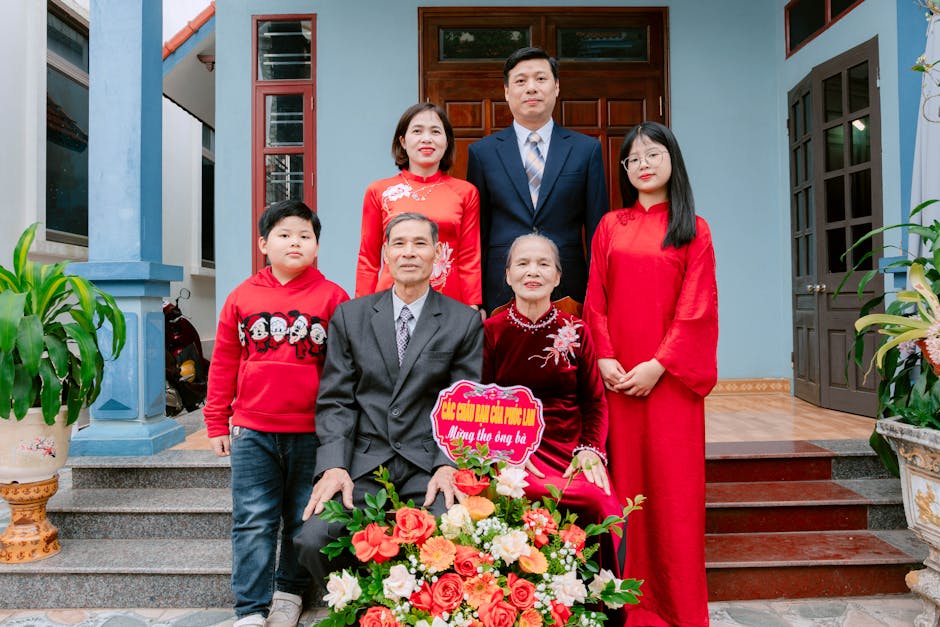
Vietnamese culture rewards travelers who respect its norms — small gestures of cultural awareness lead to warmer welcomes, better service, and richer experiences. Vietnamese society is shaped by Confucianism (hierarchy, family), Buddhism (respect for life), and ancient folk traditions. While Vietnamese are forgiving of foreigner mistakes, knowing the basic do’s and don’ts will dramatically improve your trip. This complete Vietnamese customs and etiquette guide for 2026 covers greetings, dining, religious sites, social interactions, and everything you need to know.
Top 10 Etiquette Rules
- Greet with a slight bow and smile.
- Use both hands when giving/receiving items, especially business cards.
- Remove shoes when entering homes and most temples.
- Cover shoulders and knees in religious sites.
- Don’t point feet at people, altars, or Buddhas.
- Don’t touch others’ heads (especially children).
- Lower voice in public — loud foreigners are noticed.
- Wait to be seated by host in restaurants.
- Try every dish offered when guest in home.
- Tip moderately, not lavishly.
Greetings
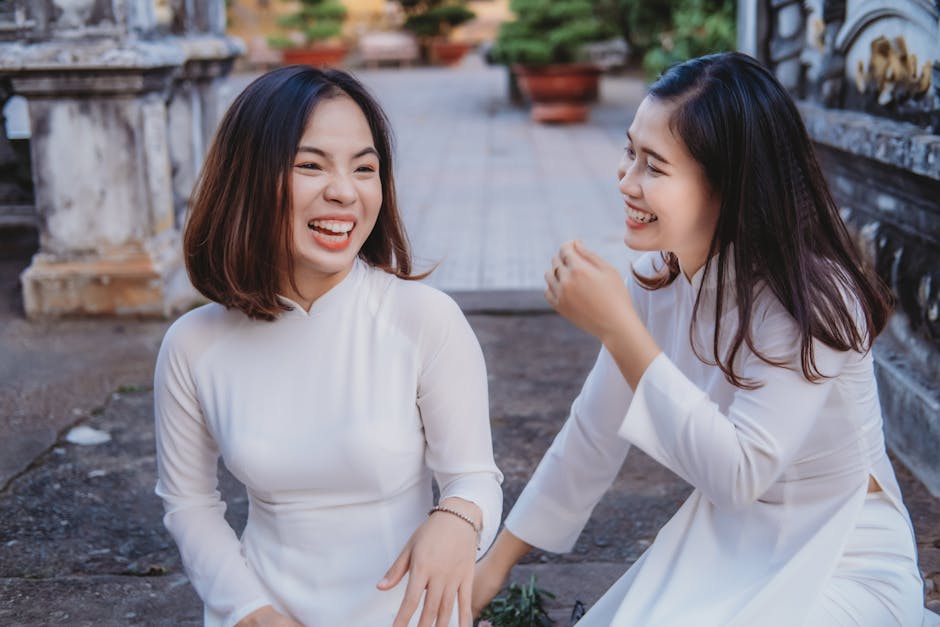
Standard Greeting
- Verbal: “Xin chao” (sin chow) — hello (formal/safe).
- Physical: Slight bow with smile.
- Handshake: Acceptable for businessmen. Light grip.
- Hugs/kisses: Generally avoided in public.
Addressing People
- Vietnamese names: family name first, given name last.
- Use given name with respectful prefix:
- “Ong” (Mr.), “Ba” (Mrs./Madame), “Anh” (older brother), “Chi” (older sister), “Em” (younger).
- Calling someone “sir” or “ma’am” is acceptable.
Photos with People
- Always ask permission first.
- Show the photo afterwards.
- Smile and say “Cam on” (cam un) — thank you.
Religious Site Etiquette
Temples and Pagodas
- Cover shoulders and knees always.
- Remove shoes entering main worship halls.
- Lower your voice.
- Don’t point feet at altars, Buddha statues, or worshippers.
- Walk clockwise around altars.
- Don’t touch sacred objects.
- Don’t step on temple thresholds — step over.
- Photography mostly OK — no flash on altars.
- Small donations welcome at offering boxes (1,000-50,000 VND).
Christian Churches
- Cover shoulders and knees.
- Hats off in church.
- Quiet during mass.
- Photography only outside mass times.
Dining Etiquette
Restaurants
- Wait to be seated.
- Wait for elder to start eating.
- Use chopsticks correctly — never stick straight up in rice (resembles funeral incense).
- Use serving spoons for shared dishes.
- Ask before ordering for others.
- Pour for others first in tea/beer.
- Eat slowly — rushing is rude.
- Try a little of everything offered.
- Don’t flip fish over — bad luck.
Tea & Beer
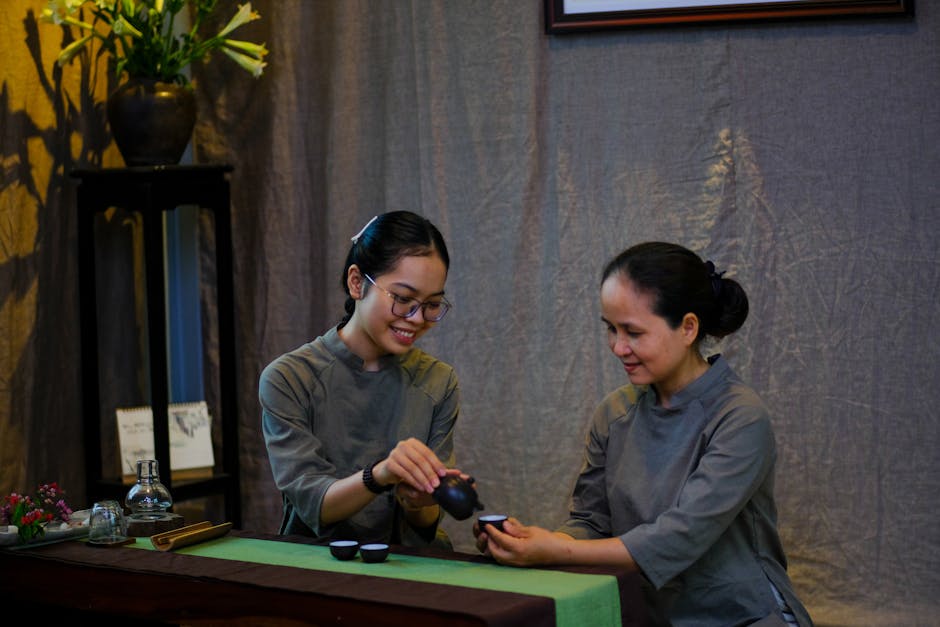
- Hot green tea usually offered before/during meals.
- Wait for elder to take first sip.
- Pour for others, others pour for you.
- Refusing offered tea is impolite.
- Bia hoi: Cheers with “Mot, hai, ba, yo!”
Family Meals (If Invited)
- Bring small gift — fruit basket, sweets, flowers.
- Wait at door — don’t enter uninvited.
- Remove shoes at entrance.
- Sit where directed.
- Try everything — even small portions of unfamiliar foods.
- Compliment the cook.
- Leave a little food on plate — signals you’re full.
- Stay for tea after meal.
Business & Professional Etiquette
- Business cards: Give and receive with both hands. Look at received card before storing.
- Punctuality important.
- Conservative dress in offices.
- Build relationship before business.
- Tea will be offered — accept.
- Group decisions: Vietnamese prefer consensus.
- Use titles — “Director”, “Manager” etc.
Body Language
- Pointing: Use full hand, not single finger.
- Beckoning: Palm down, all fingers waving (palm up is for animals).
- Nodding: Same meaning as in West.
- Smiling: Used for many emotions including discomfort or apology.
- Laughing: Sometimes hides embarrassment, not actual humor.
- Public displays of affection: Modest. Hand-holding fine; kissing in public unusual.
- Crossing legs: Don’t point sole at people.
- Don’t touch heads.
Gift Giving
- Use both hands when offering.
- Wrap nicely — presentation matters.
- Avoid: Black wrapping, white flowers (funeral colors).
- Good gifts: Fruits, sweets, nice tea, foreign chocolates, scarves, modest jewelry.
- Bad gifts: Sharp objects (knives, scissors — symbolize cutting friendship), clocks (associated with funerals).
- Don’t expect immediate opening — Vietnamese often wait until later.
Money & Tipping
- Negotiate prices respectfully at markets.
- Don’t flash large amounts of cash.
- Tipping: 10% appreciated at restaurants if not on bill, 20,000-50,000 VND for hotel staff, round up Grab/taxi.
- Pay with both hands when possible.
- Don’t bargain at fixed-price stores.
Public Behavior
- Quiet voice in public.
- No public smoking in increasing number of places.
- No PDA beyond hand-holding.
- Dress modestly outside beach areas.
- Removing trash — bin or take with you.
- Helping elderly highly valued.
- Wait turn in lines (though informal in busy places).
Photography Etiquette
- Always ask before photographing people, especially children, elderly, religious figures.
- Don’t use flash in temples or museums.
- Show photo afterwards.
- No photography at military sites, government buildings, security checkpoints.
- Drone photography requires permits in many areas.
- Family/wedding photos are private — don’t intrude.
Bargaining at Markets
- Smile and stay polite.
- Counter-offer at 30-50% of asking price.
- Negotiate to 60-70% of original.
- Walk away if vendor won’t budge.
- Don’t haggle aggressively for $1 difference.
- Pay in small bills.
- Have exact change ready.
Interacting with Children
- Don’t touch heads of children.
- Compliment without comparison (don’t say “cuter than”).
- Modest gifts if invited — small candies, stickers.
- Don’t photograph stranger’s children without parent permission.
- Avoid offering money to children.
Common Misunderstandings
- Vietnamese smile when uncomfortable — not always happy.
- “Yes” doesn’t always mean yes — sometimes means “I hear you.”
- Loud arguments may sound aggressive but are often just animated conversation.
- Honking — not anger, just signaling presence.
- Scams targeting tourists exist; locals often help if asked.
Useful Vietnamese Phrases
- Xin chao: Hello.
- Cam on (cam un): Thank you.
- Khong, cam on: No thank you.
- Tam biet: Goodbye.
- Bao nhieu tien?: How much?
- Xin loi: Sorry/excuse me.
- Khong hieu: I don’t understand.
- Toi muon…: I want…
- Co the ban…?: Can you…?
- Toi la nguoi My/Anh: I am American/British.
Cultural Don’ts
- Don’t criticize Ho Chi Minh in public.
- Don’t discuss politics with strangers.
- Don’t make jokes about Vietnam War.
- Don’t compare Vietnam unfavorably to other countries.
- Don’t be aggressive in disputes — calm wins.
- Don’t expect identical service as 5-star hotels in budget places.
- Don’t over-tip — can be seen as condescending.
Vietnamese Customs FAQs
Are Vietnamese friendly to tourists?
Yes — very welcoming, especially when you show cultural awareness.
Should I speak Vietnamese?
A few phrases go a long way. Most Vietnamese under 40 in cities speak some English.
Is bargaining required?
At markets and street stalls yes. At fixed-price stores no.
Are public displays of affection OK?
Hand-holding fine. Kissing in public considered improper.
Can I wear shorts?
Yes in most casual settings. No in temples or formal events.
Should I tip?
Yes — 10% in restaurants, small notes for hotel staff.
Are women treated equally?
Increasingly yes, especially in cities. Hanoi has female mayors and successful businesswomen.
How do I show respect to elders?
Slight bow, use both hands giving items, let them go first, defer to their seating.
Plan Your Cultural Hanoi Trip
Knowing Vietnamese customs makes Hanoi richer. Pair this guide with our culture and history pillar, first-time guide, scams to avoid, and tipping etiquette guide.