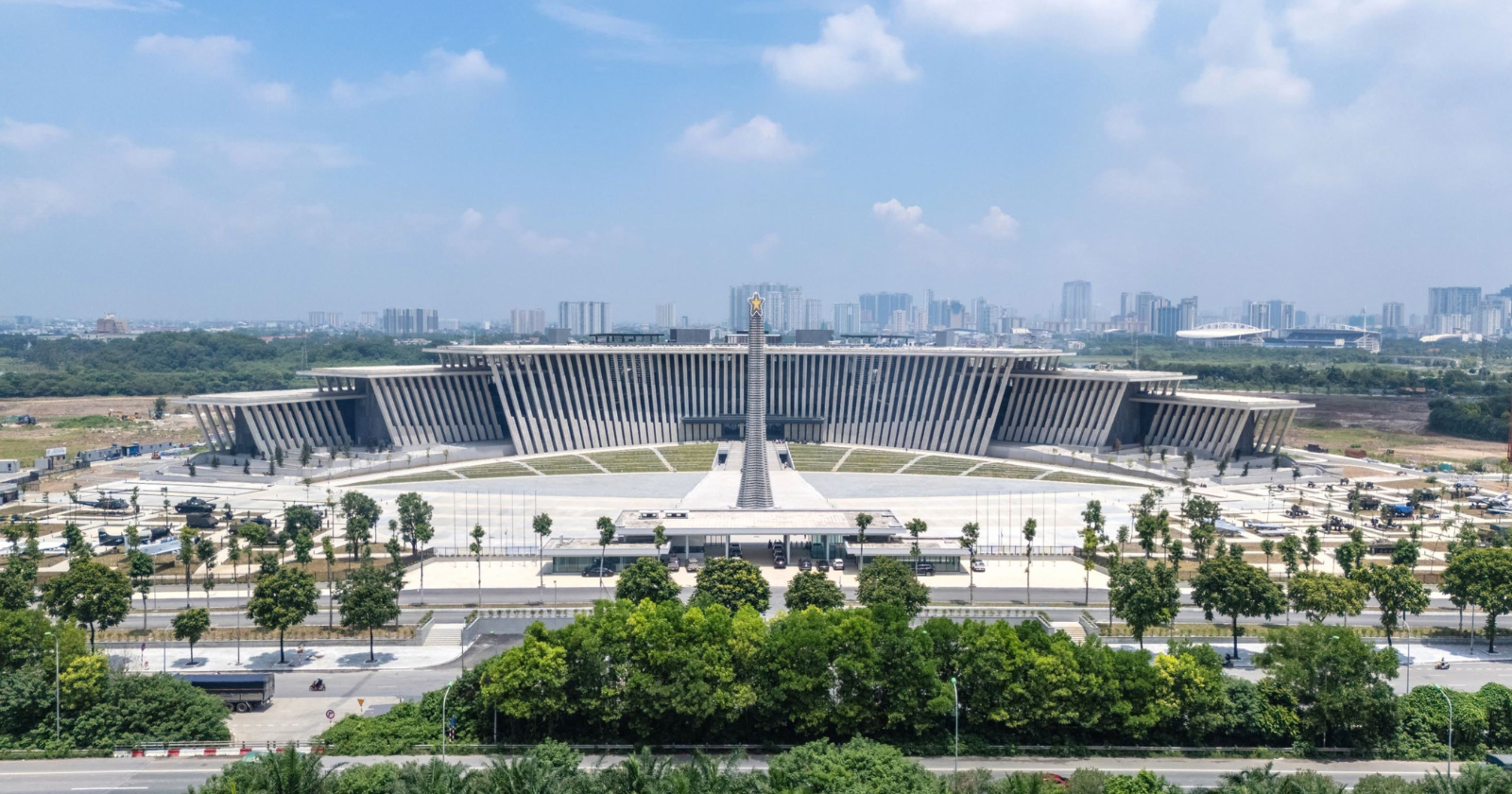
Vietnam’s 20th-century history is dominated by war — against France (1946-1954) and the United States (1954-1975), with Japan before them and Cambodia and China in the late 1970s. Hanoi has more than half a dozen museums and historic sites devoted to these conflicts, offering Vietnamese perspectives that differ significantly from Western narratives. Hoa Lo Prison (the “Hanoi Hilton”), the Vietnam Military History Museum, and the B-52 Victory Museum are essential for understanding modern Vietnam. This complete Hanoi war history museums guide for 2026 covers the must-visit sites with context for international visitors. Hanoi merged its districts into wards on 1 July 2025; this guide keeps the old district names because they are still how most people and maps describe the city.
Quick Vietnam War Context for Visitors
- 1946-1954: First Indochina War (Vietnam vs France). Vietnamese victory at Dien Bien Phu.
- 1954: Geneva Accords divide Vietnam at 17th parallel.
- 1955-1975: Vietnam War (Vietnamese: “American War”). North Vietnam vs South Vietnam & US.
- 1965-1973: Large-scale US military involvement, from the 1965 escalation to the withdrawal of US forces in 1973.
- 1972: Linebacker II bombing of Hanoi (Christmas bombings).
- April 30, 1975: Saigon falls. Vietnam reunified.
- 1976: Socialist Republic of Vietnam declared.
Must-Visit War History Sites
1. Hoa Lo Prison Museum (“Hanoi Hilton”)

- Built: 1896 by French colonists.
- Held: Vietnamese revolutionaries (1896-1954), then US POWs (1964-1973) including future Senator John McCain.
- Now: Powerful museum with original cells, guillotine room, escape tunnel, and US POW exhibits.
- Location: 1 Hoa Lo Street, Hoan Kiem District.
- Hours: 8 AM – 5 PM daily.
- Entry: 50,000 VND ($2).
- Allow: 1.5-2 hours.
- Audio guide: highly recommended; ask for the current price when you buy your ticket.
2. Vietnam Military History Museum
- Location: Km 6+500 Thang Long Boulevard, Xuan Phuong ward. The museum left its old site on Dien Bien Phu Street, beside the Flag Tower, and opened here in November 2024.
- Hours: Closed Mondays and Fridays. Check the day’s visiting times on the museum’s website (btlsqsvn.mod.gov.vn) before making the trip out.
- Entry: confirm the current ticket price there too.
- Allow: 2-3 hours.
3. Vietnam Air Force Museum
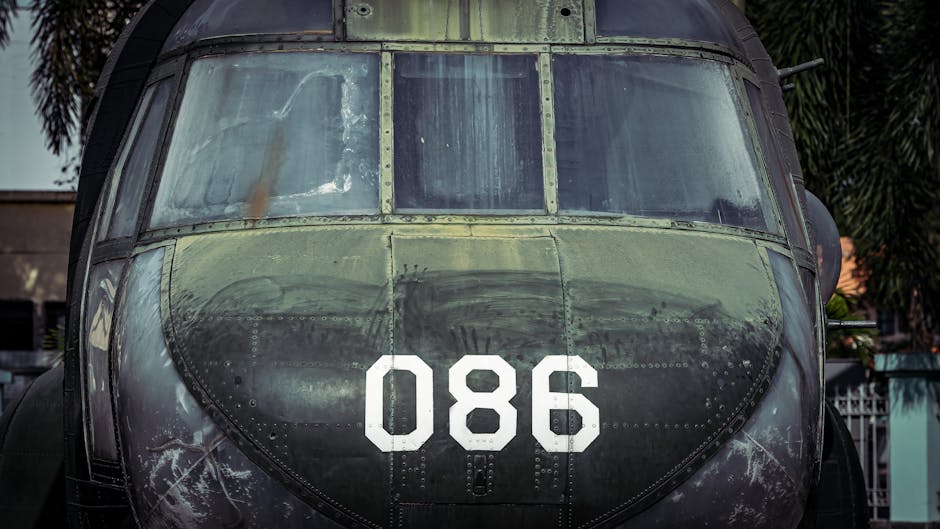
- Outdoor displays: MiG-17 and MiG-21 fighters, J-5 and J-6 jets, Mi-4, Mi-6 and Mi-24 helicopters, a UH-1, and wreckage of an F-4 and a Firebee drone. The B-52 wreckage is at the separate B-52 Victory Museum.
- Significance: Vietnamese pilots downed dozens of US aircraft.
- Hours and entry: ask your hotel to confirm opening times and the fee before you set off.
4. B-52 Victory Museum
- Highlight: Wreckage of B-52 bomber shot down December 1972 still lies in Huu Tiep Lake.
- Surrounding museum: Air defense exhibits, photos, weapons.
- Location: 157 Doi Can Street.
- Hours: Closed Mondays and Fridays, with separate morning and afternoon sessions; the museum’s visitor rules at baotangchienthangb52.com.vn give the session times.
- Entry: check the fee on the same site.
5. Vietnam National Museum of History
- Pre-war and modern history.
- Location: 1 Trang Tien + 216 Tran Quang Khai (two buildings).
- Hours: 8 AM – 12 PM and 1:30 PM – 5 PM. Closed Mondays.
- Entry: see baotanglichsu.vn for the current ticket price.
6. Ho Chi Minh Museum
- Modern museum building near mausoleum.
- Exhibits on Ho’s life and Vietnamese revolution.
- Location: 19 Ngoc Ha Street.
- Hours: 8 AM-12 PM, 2 PM-4:30 PM. Closed Mondays/Fridays.
- Entry: 40,000 VND.
7. Vietnamese Women’s Museum
- Highlights: Women’s role in war (Long-Haired Army), traditional dress.
- Location: 36 Ly Thuong Kiet.
- Hours: 8 AM – 5 PM.
- Entry: ask for the current fee at the ticket desk.
8. Long Bien Bridge
Bombed multiple times during American War. Walk across for sense of historical weight.
9. House D67 (Inside Imperial Citadel)
Vietnamese military command bunker during American War. See our Imperial Citadel guide.
Notable War Sites Around Hanoi
Bach Mai Hospital Memorial
Hospital bombed by US during Christmas bombings 1972.
Ham Tu Bus Stop
A city bus stop beside Ham Tu Quan, opposite 162 Tran Quang Khai.
Sample War History Day Itinerary
- 8:00 AM: Hoa Lo Prison Museum (1.5 hours).
- 10:00 AM: Walk to Sofitel Metropole for coffee. Its Path of History and bomb shelter tours are for hotel guests only, daily at 5 and 6 PM, booked through the concierge.
- 11:30 AM: Taxi out to the Vietnam Military History Museum on Thang Long Boulevard (2 hours).
- 1:30 PM: Lunch nearby.
- 2:30 PM: Imperial Citadel including House D67 bunker (1.5 hours).
- 4:30 PM: B-52 wreck at Huu Tiep Lake (15 min photo stop).
- 5:30 PM: Long Bien Bridge sunset walk.
Vietnamese War Perspective
Most Vietnamese refer to the American War, not Vietnam War. They view their victory as a war of independence and reunification — a continuation of resistance against Chinese, French, and Japanese occupiers. Casualty estimates vary widely: about 1.1 million soldiers killed and 600,000 wounded on the Communist side (South Vietnamese forces are counted separately); two million civilian deaths in a Vietnamese government estimate; and about 58,000 American service members killed.
Modern Vietnam-US relations are normalized and friendly. Vietnamese welcome American visitors with open hearts. The bitter past and present cooperation coexist.
Etiquette When Visiting
- Be respectful — these are emotional sites for Vietnamese.
- Don’t pose with weapons or relics inappropriately.
- Read carefully — Vietnamese narratives differ from Western media you may have seen.
- Don’t engage in arguments with locals about “sides” or politics.
- Photography mostly OK but check signs.
- Quiet voice in solemn rooms.
- Cover shoulders and knees at memorial halls.
Books to Read Before Visiting
- The Sympathizer — Viet Thanh Nguyen (Pulitzer Prize).
- The Quiet American — Graham Greene.
- The Things They Carried — Tim O’Brien.
- Dispatches — Michael Herr.
- A Bright Shining Lie — Neil Sheehan.
- Last Days in Vietnam documentary.
What to Bring
- Comfortable walking shoes.
- Modest clothing.
- Water bottle.
- Camera.
- Cash for entry fees.
- Small backpack (no large bags in some museums).
Combine with Other Hanoi Sites
- Imperial Citadel of Thang Long — military history at War Bunker D67.
- Ho Chi Minh Mausoleum — founder of independent Vietnam. Closed for maintenance until 2 November 2026 and reopens on 3 November; until then you can see it only from outside.
- Vietnamese Women’s Museum — complementary perspective.
- Vietnam Museum of Ethnology — broader cultural context.
Hanoi War History Museums FAQs
Best museum for war history?
Hoa Lo Prison Museum — most powerful and accessible.
Are tours respectful of all sides?
Vietnamese narratives present Vietnamese perspective. Western visitors may find some accounts pointed.
How much time for war history tour?
Half-day for top sites. Full day with multiple museums.
Is Hoa Lo Prison disturbing?
Yes — portrayals of torture, execution, hardship. Not for sensitive children.
Did John McCain really stay there?
Yes — he was a prisoner of war in North Vietnam from October 1967 to March 1973, held at several camps including Hoa Lo. His flight suit and ID card displayed at Hoa Lo.
Are Vietnamese hostile to Americans?
No — very welcoming. Vietnam-US relations are normal and friendly.
Can I see B-52 wreckage?
Yes — Huu Tiep Lake in Ngoc Ha has visible B-52 fragments.
Best time to visit?
Mornings (less crowded). Many of these museums close on Mondays, and several on Fridays too, so check the day before you go.
Plan Your War History Tour
Hanoi’s war museums offer essential historical perspective. Pair this guide with our culture and history pillar, Imperial Citadel, Ho Chi Minh Mausoleum, and museums guide.
Photo Credits
Vietnam Military History Museum in Hanoi: Vietnam Military History Museum (4 – 2025) by Nikken Sekkei LTD, CC BY 4.0, via Wikimedia Commons.