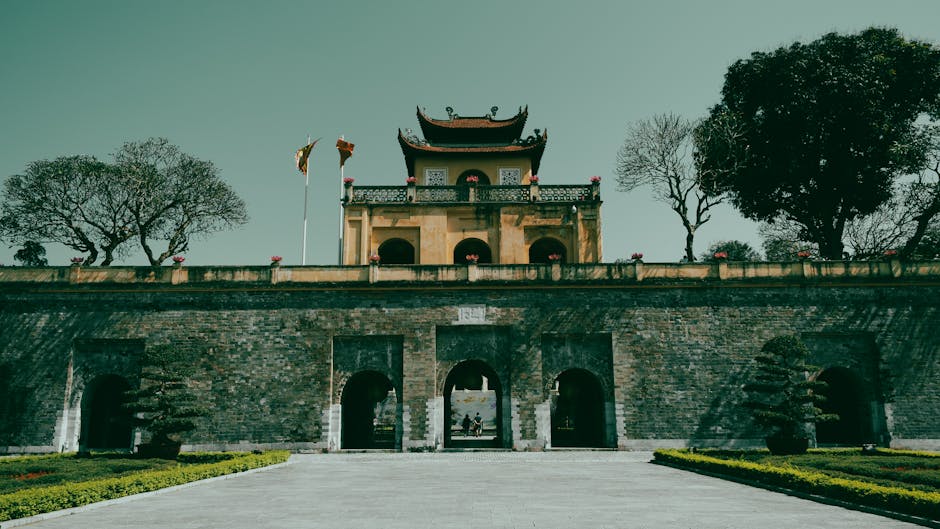
The Imperial Citadel of Thang Long is Hanoi’s most important historical site — a UNESCO World Heritage Site (2010) that served as the political center of Vietnam for nearly 1,000 years. From its founding by King Ly Thai To in 1010 through 13 dynasties, the citadel housed Vietnamese kings, hosted royal ceremonies, and witnessed every major event in the country’s history. Today, walking through its gates and excavation areas connects you directly to Vietnam’s imperial past. This complete Imperial Citadel Thang Long guide for 2026 covers history, what to see, ticket info, and how to plan your visit.
About Thang Long Imperial Citadel
Thang Long (“Rising Dragon”) was the name King Ly Thai To gave to the new Vietnamese capital in 1010 AD. The citadel served as Vietnam’s political center under the Ly, Tran, Le, Mac, and Nguyen dynasties until 1810, when capital moved to Hue. After 1810, the citadel housed military barracks (French and Vietnamese), and most structures were destroyed. UNESCO declared it a World Heritage Site in 2010, citing 13 centuries of cultural heritage layers.
What to See
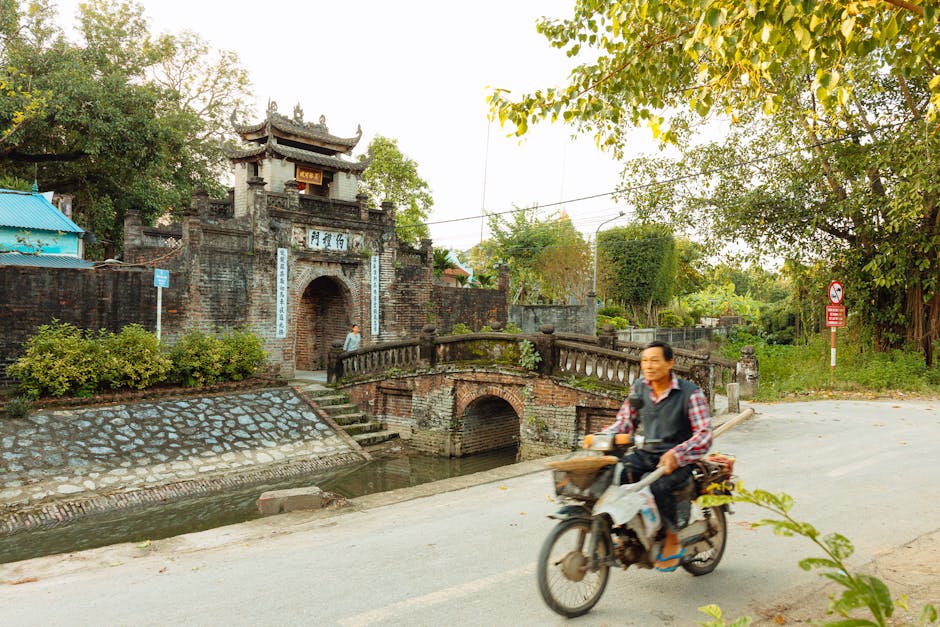
1. Doan Mon Gate (South Gate)
Main entrance. Five-arched stone gate with traditional Vietnamese roofline. Built in the 15th century. The most photographed citadel structure.
2. Hanoi Flag Tower (Cot Co Ha Noi)
33-meter tower built 1812 under Nguyen Dynasty. Survived French bombardment and bombing. Climb for panoramic views.
3. Kinh Thien Palace Site (Foundation Stones)
Where the main throne hall once stood (destroyed 1814). Remains include dragon stair carvings — among Vietnam’s finest stone art.
4. Hau Lau (Princess Pavilion)
Two-story pavilion. Originally where royal princesses lived. Beautiful traditional architecture.
5. House D67 – War Command Center
Reinforced bunker used by Vietnamese military command during American War. Generals Vo Nguyen Giap and Van Tien Dung planned strategic operations here. Underground tunnels open to visitors.
6. Archeological Site 18 Hoang Dieu
Active excavation revealing 13 centuries of dynastic foundations layered atop each other. Architecture from Ly, Tran, Le, Nguyen dynasties visible. Glass-covered sections protect findings.
7. Bac Mon (North Gate)
Northern entrance. Less ornate but historically significant. Bullet holes from 1882 French siege still visible.
8. Tower Galleries
Exhibition halls displaying artifacts: ceramics, royal seals, tools, weapons, and personal items from various dynasties.
9. Cong Buoi (Pomelo Gate)
Small but elegant gate. Photo-worthy.
Ticket Info
- Adult: 30,000 VND ($1.20).
- Student: 15,000 VND.
- Children under 6: Free.
- Audio guide: Available at entrance, 80,000 VND ($3.20).
- Guided tour: 200,000-400,000 VND for English-speaking guide.
- Operating hours: 8:00 AM – 5:00 PM daily (closed Mondays).
How to Get There
- Address: 19C Hoang Dieu Street, Ba Dinh District.
- From Old Quarter: Grab Bike $1-1.50, Grab Car $2-3 (10-15 min).
- Walking from Old Quarter: 30-40 min.
- Walking from Ho Chi Minh Mausoleum: 5-10 min.
- Bus: Routes 09, 22, 41, 45 nearby.
Sample Visit Itinerary (2 Hours)
- 8:30 AM: Arrive, buy ticket.
- 8:45 AM: Doan Mon Gate (photos).
- 9:00 AM: Kinh Thien Palace foundations & dragon stairs.
- 9:30 AM: House D67 War Command Center.
- 10:00 AM: Hau Lau Princess Pavilion.
- 10:20 AM: Hanoi Flag Tower (climb if open).
- 10:45 AM: Archeological Site 18 Hoang Dieu.
- 11:15 AM: North Gate & exit.
Why It Matters Historically
- 13 centuries of continuous capital function (1010-1810).
- Six dynasties: Ly, Tran, Mac, Le, Nguyen + brief Ming Chinese.
- Layers of foundations show evolution of Vietnamese architecture.
- Military strategic decisions during American War made here.
- Embodies Vietnamese resistance & cultural continuity.
Best Time to Visit
- October-November: Best weather for outdoor walking.
- Morning (8-10 AM): Cool, less crowded.
- Avoid summer afternoons: Hot, exposed walking.
- Avoid Mondays: Closed.
- Avoid Vietnamese tourist holidays when crowded.
Photography Tips
- Doan Mon Gate — iconic shot.
- Dragon stair carvings — close-up of detail.
- Hanoi Flag Tower — from a distance for proportion.
- Archeological pit — angled to show layered foundations.
- Hau Lau Pavilion — symmetrical front shot.
- Ao dai photoshoots popular here.
- Use polarizing filter for stone reflections.
Combine With Nearby Sites
- Ho Chi Minh Mausoleum — 5-10 min walk.
- One Pillar Pagoda — 10 min walk.
- Temple of Literature — 10-min Grab.
- Vietnam Fine Arts Museum — 5 min walk.
- Vietnam Military History Museum — 10 min walk.
What to Bring
- Comfortable walking shoes.
- Sun hat and sunscreen.
- Bottled water.
- Modest clothing.
- Camera.
- Small cash for tickets.
- Audio guide or mobile guide app.
Hidden Stories
Dragon Stair Symbolism
The five dragon carvings on Kinh Thien’s stairs represent imperial power. Number of toes indicates rank — emperor (5 toes), prince (4), nobility (3).
House D67 War Decisions
General Vo Nguyen Giap (architect of Vietnamese victory at Dien Bien Phu) planned operations from this bunker. The 1975 Spring Offensive that ended American War was conceived here.
French Colonial Demolition
From 1894-1897, French colonists demolished most original palaces to build military barracks. The destruction was extensive but archaeological recovery has been remarkable.
Layered Foundations
Each dynasty built atop the previous. Excavation reveals 13 centuries of architectural evolution — rare worldwide.
Cultural Programs & Events
- Tet New Year activities — traditional ceremonies.
- Hanoi Heritage Day events — cultural performances.
- Educational programs for Vietnamese students.
- Special exhibitions rotating throughout year.
Imperial Citadel FAQs
Is it worth visiting?
Yes — for history-curious travelers. Less visually striking than other sites but historically profound.
How much is entry?
30,000 VND ($1.20) adults.
How long should I spend?
1.5-2.5 hours typical.
Is it kid-friendly?
Yes ages 8+. Younger kids may find it slow.
Are guides necessary?
Strongly recommended — English audio or human guide adds depth.
Are there English signs?
Yes — bilingual Vietnamese/English at major sites.
Can I climb the flag tower?
Sometimes — opens for special events. Check current status.
Is it crowded?
Less crowded than Ho Chi Minh Mausoleum. Manageable.
Plan Your Imperial Citadel Visit
The citadel is essential for Vietnamese history. Pair this guide with our culture pillar, Temple of Literature, Ho Chi Minh Mausoleum, and 1,000-year history.