The Hanoi Old Quarter is over 1,000 years old — one of Asia’s longest continuously inhabited urban districts. Born in 1010 when Emperor Ly Thai To moved Vietnam’s capital to Thang Long, the Old Quarter evolved from medieval craft villages into the dense commercial district that defines central Hanoi today. This complete Hanoi Old Quarter history guide for 2026 covers the full timeline from imperial founding through French colonization to modern Hanoi.
Old Quarter Historical Timeline
Pre-1010: Dai La Citadel
Before the Old Quarter, the area was known as Dai La — a fortified citadel and small settlement on the Red River.
1010 AD: Founding of Thang Long
Emperor Ly Thai To, founder of the Ly Dynasty (1009-1225), issued the “Edict of the Transfer of the Capital” in spring 1010, declaring the move from Hoa Lu (south of Hanoi) to Dai La. He renamed the new capital “Thang Long” (“Ascending Dragon”), inspired by a vision of a dragon ascending from the Red River.
11th-13th Centuries: Ly & Tran Dynasties
The residential and commercial area east of the Imperial Citadel evolved into the Old Quarter. Craftsmen from surrounding villages settled here, organized into guilds that protected their trades. The 36 streets concept emerged.
15th Century: Ngoc Son Temple Legend
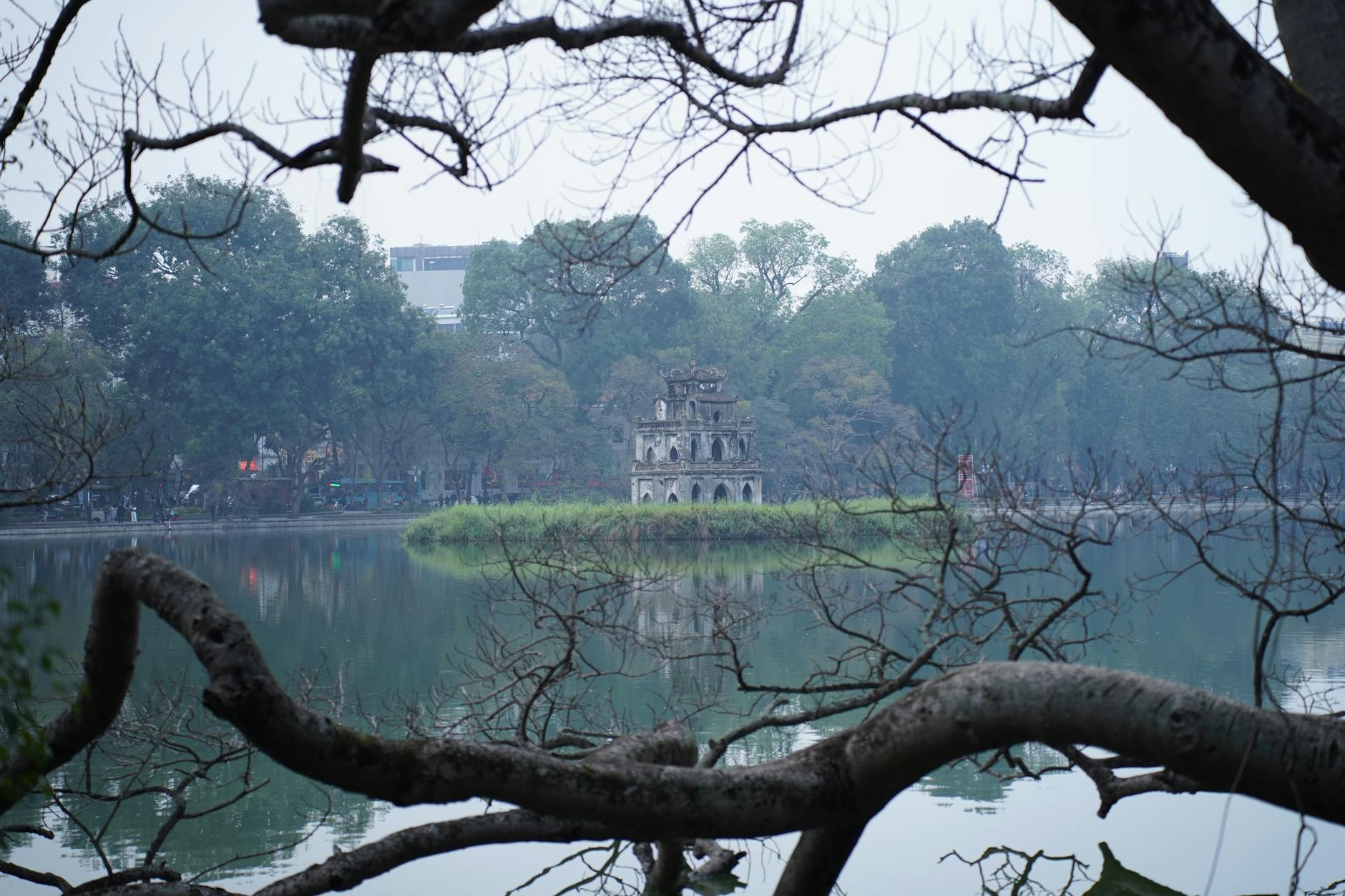
The Hoan Kiem Lake legend dates to this period: Emperor Le Loi received a magical sword from a turtle to defeat the invading Ming Chinese army. After victory, the turtle reclaimed the sword in this lake — hence the name “Lake of the Restored Sword.”
15th-18th Centuries: Le Dynasty
Influx of Chinese immigrants who arrived to trade. Several Chinese neighborhoods established within the Old Quarter. Population growth and dense urbanization.
1873-1954: French Colonial Period
French rule transformed Hanoi’s urban landscape. The French Quarter was built south of Hoan Kiem Lake. The Old Quarter was partially rebuilt with French infrastructure (water, sewage, electricity). French and Indian merchants established businesses. Hybrid French-Vietnamese architecture emerged.
1954-1976: Independence & Vietnam War
Hanoi became the capital of independent North Vietnam in 1954. The Old Quarter survived American bombing campaigns, particularly the 1972 Christmas Bombing.
1976-1990: Reunification & Soviet Era
Hanoi became the capital of unified Vietnam in 1976. Slow economic recovery. Old Quarter buildings deteriorated during state-controlled economy.
1986-Present: Doi Moi Reforms & Tourism Boom
Vietnam’s 1986 economic reforms (Doi Moi) opened the country to private enterprise and foreign tourism. The Old Quarter rapidly evolved into a major tourist destination. Heritage preservation efforts intensified.
2010: Thang Long 1,000-Year Anniversary
Hanoi celebrated 1,000 years since its founding by Ly Thai To.
The 1010 Founding Story
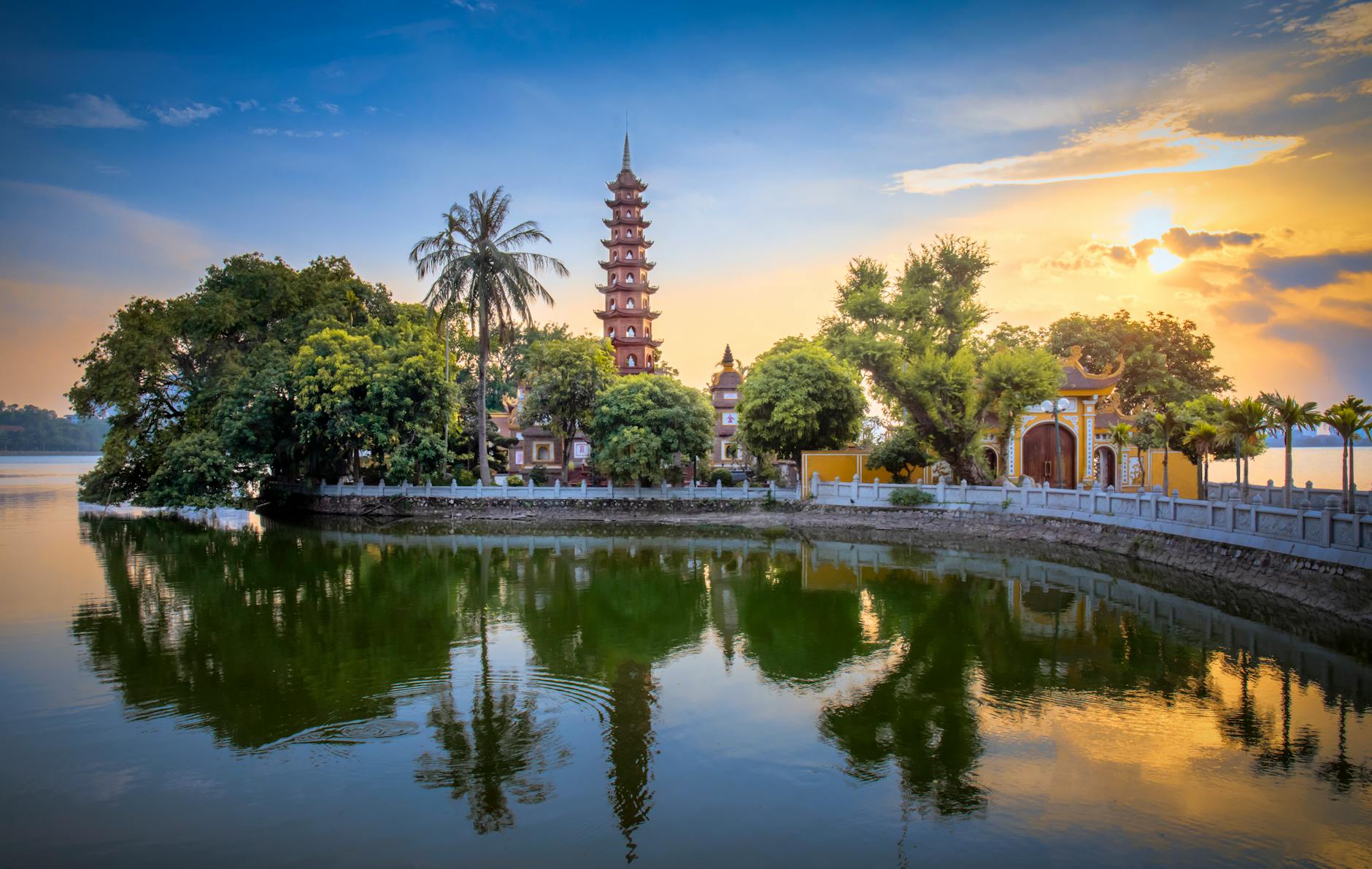
In spring 1010, Emperor Ly Thai To — founder of Vietnam’s Ly Dynasty — issued the famous “Edict of the Transfer of the Capital.” He moved Vietnam’s capital from Hoa Lu (90 km south) to the strategically located Dai La citadel. According to legend, as he arrived at the Red River, a golden dragon rose from the waters, soaring into the sky. He renamed the new capital “Thang Long” — “Ascending Dragon.”
The new imperial citadel was constructed (today’s Imperial Citadel of Thang Long, a UNESCO site). Around its eastern walls, craftsmen from surrounding villages settled to serve the imperial court — silver-makers, silk-weavers, paper-craftsmen, blacksmiths, food vendors. They organized into guilds that controlled trades and protected craftsmen. Each guild built communal halls (dinh) and patron-saint temples. Streets formed naturally where craftsmen clustered, eventually becoming the “Hang [product]” streets we know today.
Major Old Quarter Historical Sites
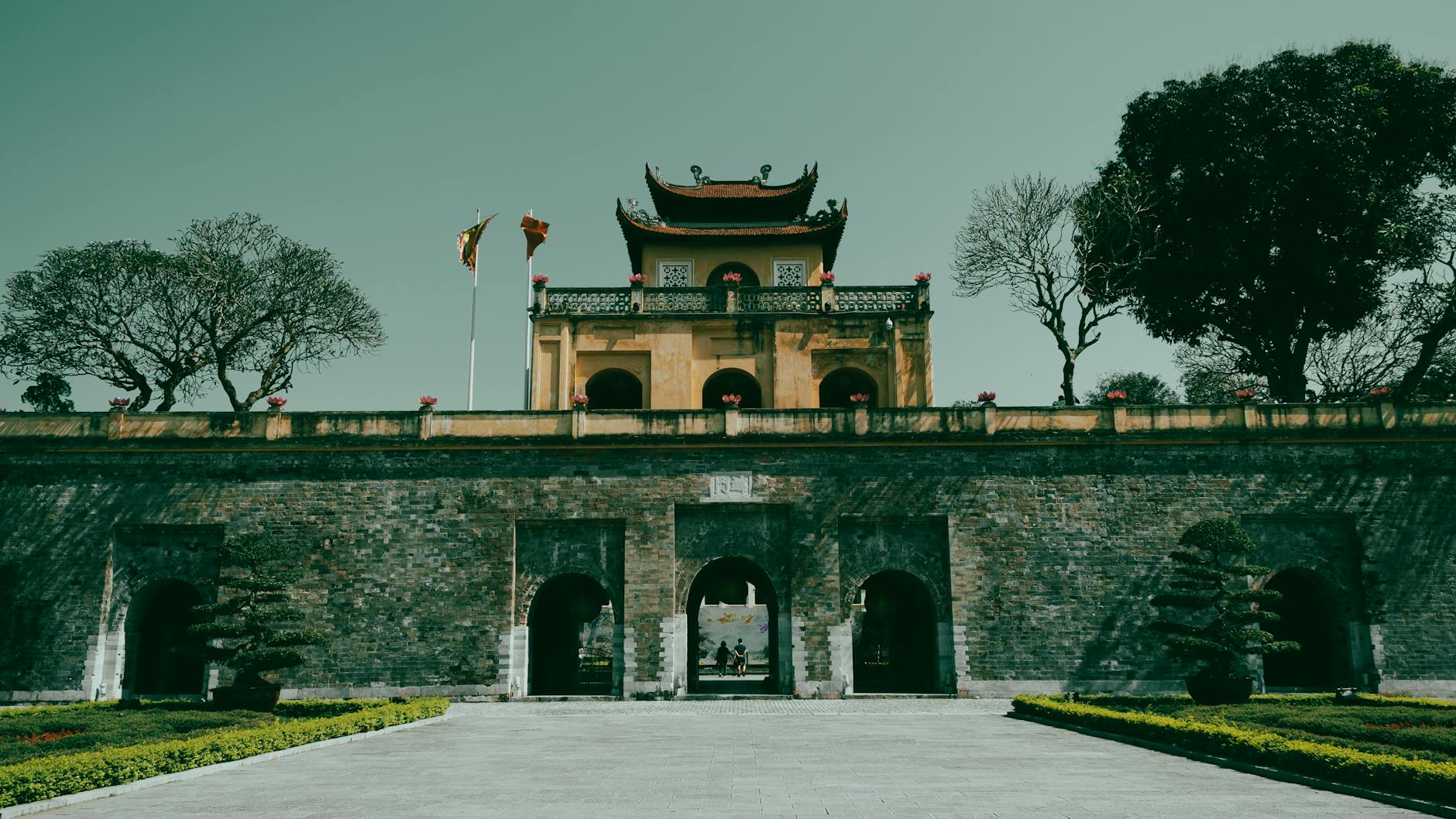
Imperial Citadel of Thang Long
UNESCO World Heritage Site. Remains of Vietnam’s imperial center from 11th-19th centuries. Doan Mon main gate and underground military bunkers visible today.
Bach Ma Temple (76 Hang Buom)
The Old Quarter’s oldest temple, built in the 11th century by Ly Thai To. One of Hanoi’s four guarding temples.
Ngoc Son Temple (Hoan Kiem Lake)
1841 temple at the heart of the lake legend. Connected to mainland by the iconic Huc Bridge.
Cau Dong Temple (12th Century)
Pre-dating most modern Old Quarter buildings.
Long Bien Bridge (1903)
French-built iron bridge over the Red River. Bombed during American war but largely intact today.
How the 36 Streets Got Their Names
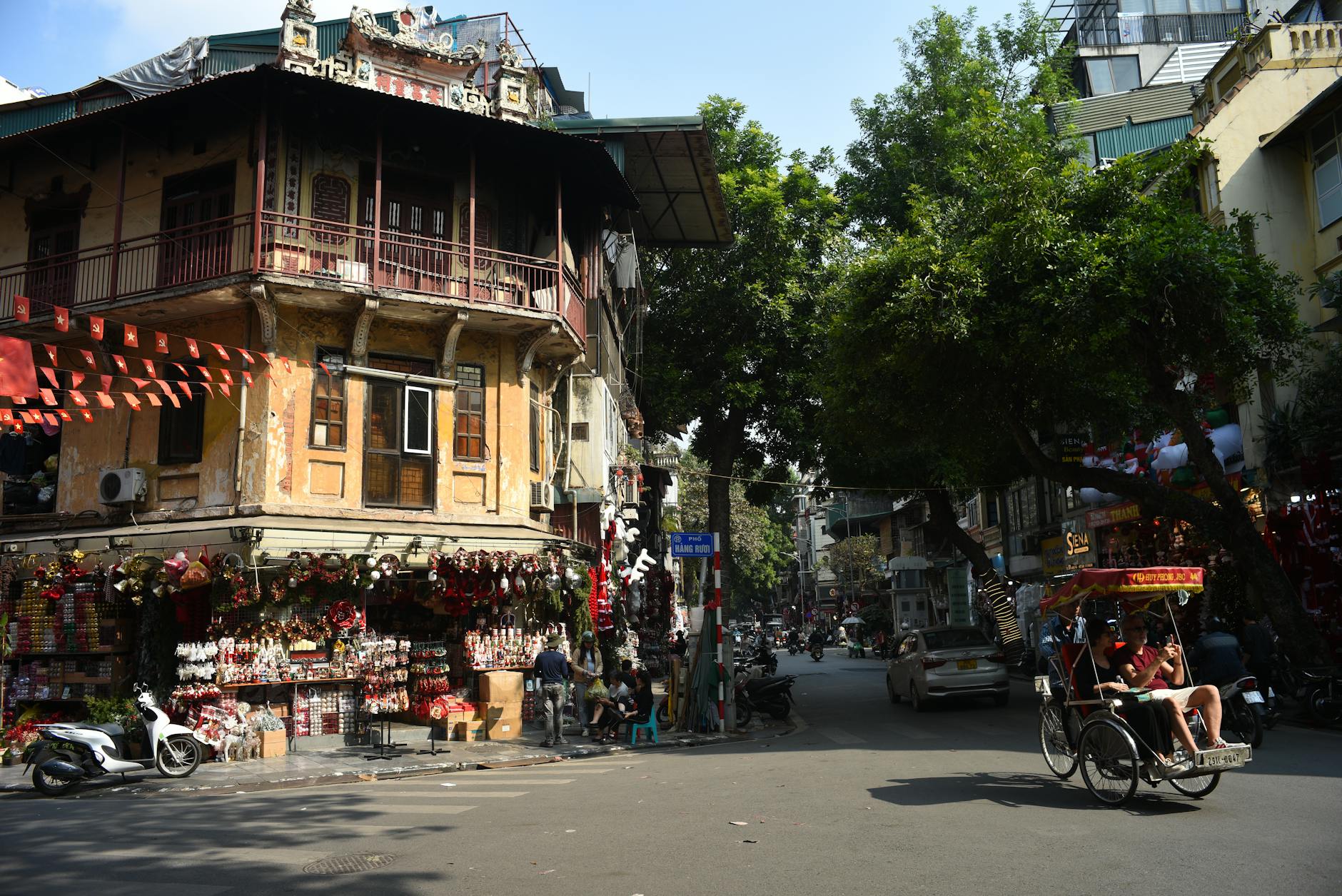
By the early 13th century, craft cooperatives clustered around the citadel walls. Each street took its name from the trade practiced there: “Hang [product]” meaning “Goods of [X].” Hang Bac (silver), Hang Gai (silk), Hang Ma (paper), Hang Quat (fans), and dozens more. Many trades evolved or disappeared, but the names survive.
Hanoi’s Many Names Through History
- Pre-1010: Dai La (Great Net) — fortified citadel.
- 1010-1397: Thang Long (Ascending Dragon).
- 1397-1408: Dong Do (Eastern Capital).
- 1428-1788: Dong Kinh (Eastern Tonkin) under the Le Dynasty.
- 1788-1802: Bac Thanh (Northern Citadel).
- 1831-Present: Hanoi (River Inside) — named by Emperor Minh Mang to reflect the city’s position between Red River and Day River.
Old Quarter Through the Wars
French Colonial Period (1873-1954)
French built the French Quarter to the south but largely preserved the Old Quarter’s street layout. Added water systems, electricity, and some modernization. Many tube houses gained French-inspired facades.
Vietnam War (1955-1975)
The Old Quarter survived sustained American bombing campaigns. The 1972 Christmas Bombing damaged some buildings but the historic core remained largely intact.
Modern Reunification (1976-Present)
Hanoi became the unified capital. Tourism boom from 1990s onward transformed the Old Quarter into a major destination.
Old Quarter Today
The Old Quarter today combines 1,000+ years of history with modern tourism infrastructure. The original 36 guild street layout survives. Traditional crafts continue on Hang Gai (silk), Hang Bac (silver), and Hang Ma (paper). Family-run restaurants serve recipes 50-100+ years old. The Walking Street activates Friday-Sunday evenings. Heritage hotels like the Sofitel Metropole preserve French colonial luxury. The Old Quarter is simultaneously a living museum and Hanoi’s most vibrant tourist district.
Old Quarter History FAQs
How old is the Hanoi Old Quarter?
1,000+ years — founded in 1010 when Emperor Ly Thai To moved the capital here.
What does “Thang Long” mean?
“Ascending Dragon” — named for Ly Thai To’s vision of a dragon rising from the Red River.
What is the oldest building in Old Quarter?
Bach Ma Temple (76 Hang Buom) — built by Ly Thai To in the 11th century.
How did the 36 streets get their names?
Each street housed a single trade guild. Names follow the format “Hang [product].”
Did the French rebuild the Old Quarter?
Partially — they added infrastructure but largely preserved the street layout. Tube houses gained French-inspired facades.
How did the Old Quarter survive American bombing?
It was never the primary target. Bombing focused on industrial areas and military targets. Some Old Quarter damage occurred during 1972 Christmas Bombing.
Is the Old Quarter a UNESCO site?
The Imperial Citadel of Thang Long is. The wider Old Quarter is not formally UNESCO-listed but is protected as a Vietnamese national heritage area.
What was the 1010 founding edict?
Ly Thai To’s declaration moving Vietnam’s capital from Hoa Lu to Dai La (Hanoi). One of the founding documents of Vietnamese nationhood.
How can I learn more about Hanoi history?
Visit the Vietnam National Museum of History, Hanoi Museum (inverted pyramid), and Imperial Citadel of Thang Long.
Walk Through 1,000 Years of Hanoi History
The Old Quarter is one of Asia’s richest historical districts. With this guide you have the full timeline from 1010 to today. Pair this guide with our Old Quarter pillar guide, our Culture & History pillar, and our Hanoi Museums guide.