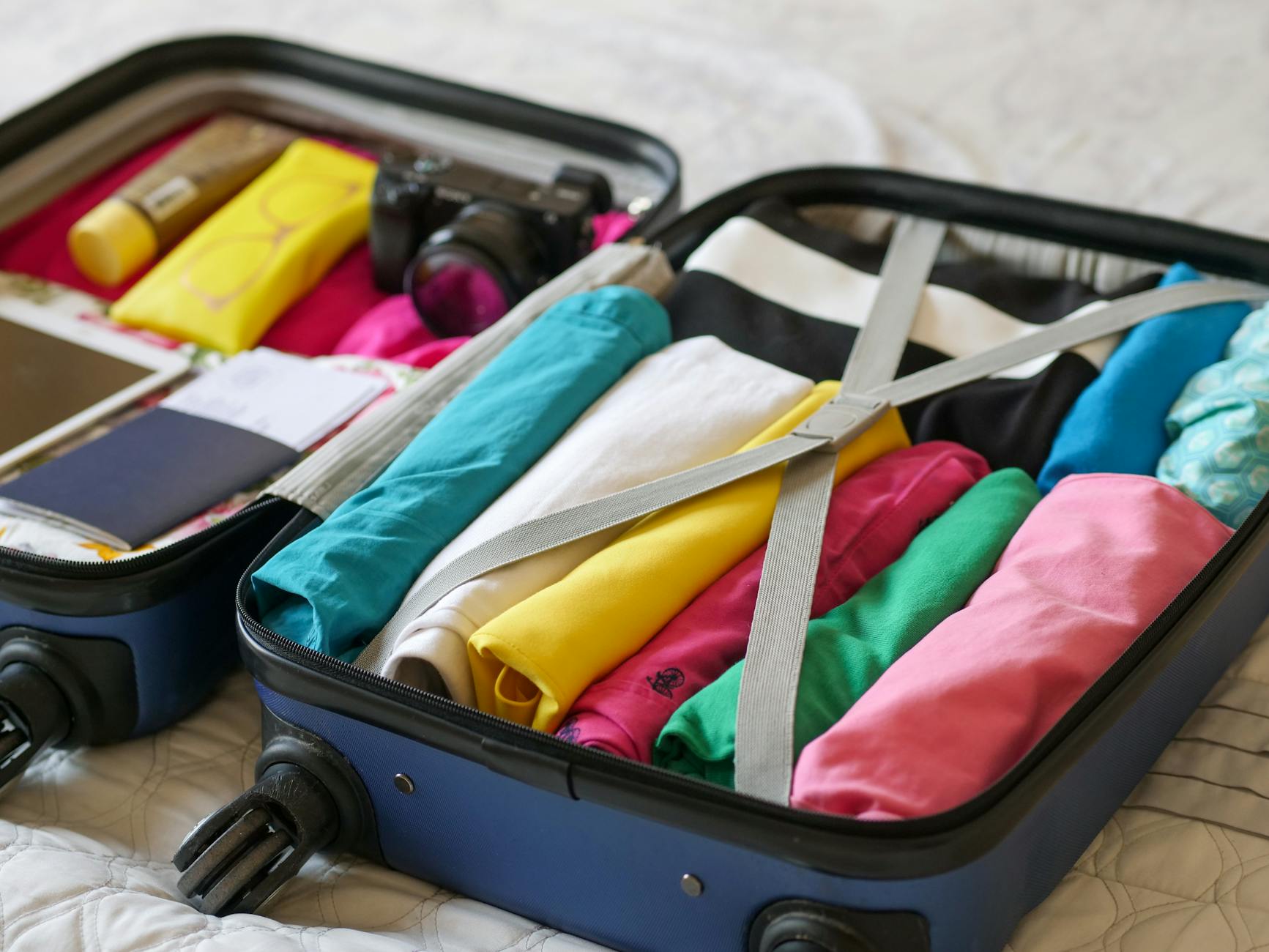
A great Hanoi trip starts long before you board the plane. The right preparation — valid documents, season-appropriate clothes, the correct power adapter, a working SIM strategy, and the small comforts that turn a chaotic day into a smooth one — is the difference between sweating through arrival lines and stepping into the city ready to enjoy it. This complete Hanoi travel checklist for 2026 walks you through every essential, from passport requirements and the e-visa process to the specific items you should pack for monsoon season, plus the digital tools and last-minute confirmations to handle in the 48 hours before departure.
How to Use This Hanoi Travel Checklist
Travelers fail in two predictable ways: they over-pack heavy clothing they never use, or they under-pack the small details that matter (medication, plug adapters, photocopies of documents). This guide is organized in the order tasks should happen — not the order you might think of them. Use it as a sequenced playbook from 60 days before departure to the morning of your flight.
Each section covers what to do, why, and any 2026-specific updates. If you’ve never traveled to Vietnam before, also browse our first-time visitor guide alongside this checklist.
60 Days Before: Travel Documents & Visa
Documents are the section you simply cannot fudge. A surprising number of Hanoi travelers arrive at the airport only to discover their passport expires too soon or their e-visa wasn’t approved. Lock these down first.
Passport & Validity
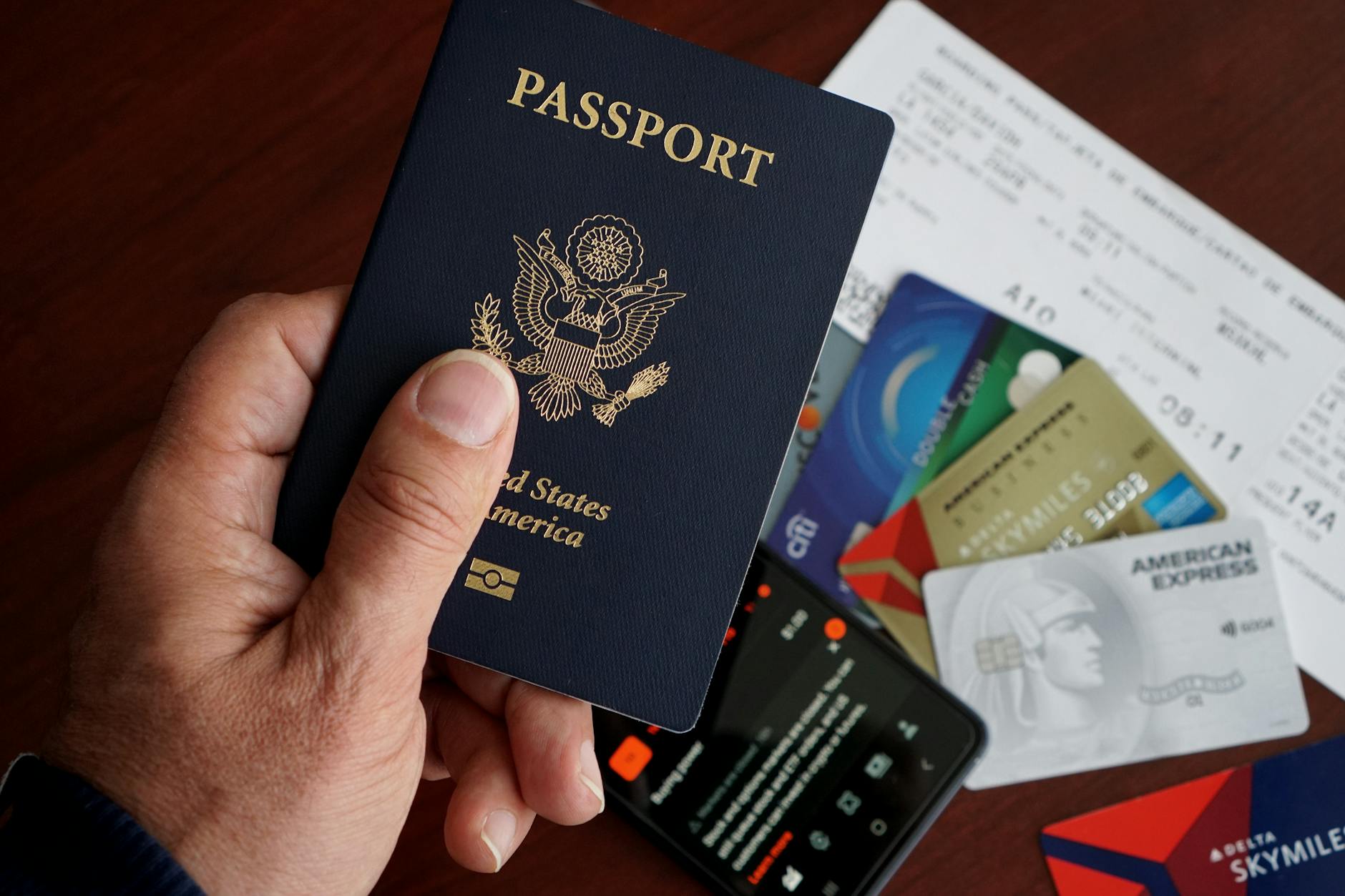
- Passport valid for at least 6 months past your arrival date. Vietnam strictly enforces this rule and will deny boarding at your origin airport otherwise.
- At least two blank visa pages. Vietnam still uses physical entry stamps even with the e-visa.
- Renew now if expiring within 8 months. Renewals can take 6-10 weeks during peak season.
- Make 3 photocopies and 2 digital copies stored separately from the passport (one in checked luggage, one on cloud, one with a trusted contact at home).
Vietnam E-Visa (2026 Update)
Vietnam now offers a 90-day single or multiple entry e-visa to citizens of all countries via the official portal at evisa.gov.vn. As of 2026, fees are USD 25 for single entry and USD 50 for multiple entry, processed within 3-5 working days. You will need:
- A clear scan of your passport bio page (.jpg, under 2 MB).
- A 4×6 cm passport-style photo against a white background, taken within the last six months.
- Your intended port of entry and exit (Noi Bai HAN if flying to Hanoi).
- A temporary address in Vietnam (your first hotel is fine).
- A valid Visa, Mastercard, or JCB card to pay the non-refundable fee.
Apply only at the official site — many third-party sites charge huge markups. Save the approval PDF and print one paper copy for your carry-on. Some ASEAN nationals enjoy 30-day visa-free entry — verify your country’s status on the official portal before assuming.
Other Travel Documents
- Onward/return flight ticket — airlines and immigration sometimes ask to see proof.
- Hotel reservation confirmations for your first few nights, with addresses in Vietnamese.
- Travel insurance policy with medical evacuation coverage of at least USD 100,000. World Nomads, SafetyWing, and Allianz are popular choices.
- International driving permit if you plan to legally rent a motorbike (recommended only for experienced riders).
- Vaccination records (Yellow Fever certificate only required if arriving from yellow-fever endemic countries).
45 Days Before: Health, Insurance & Vaccinations
Most Hanoi visitors don’t need exotic vaccinations, but you should still plan a doctor’s visit a month or more before departure.
Recommended Vaccinations
- Routine vaccines: MMR, Tdap, polio, flu — ensure all are current.
- Hepatitis A: Strongly recommended for street food eaters.
- Typhoid: Recommended for travelers eating extensively in markets and street stalls.
- Hepatitis B, Japanese Encephalitis, Rabies: Consider for longer stays, rural travel, or close contact with animals.
- Yellow Fever: Required only if arriving from a yellow-fever endemic country — bring proof.
Personal Medication Checklist
- 30-day supply (plus 7 extra) of any prescription medication, in original labeled packaging.
- A signed letter from your doctor for controlled substances (especially ADHD medications, strong painkillers, sleeping aids).
- Anti-diarrheal medication (Imodium) and oral rehydration salts.
- Broad-spectrum antibiotics if your travel doctor prescribes them for traveler’s diarrhea.
- Over-the-counter pain relievers, antihistamines, motion-sickness tablets.
- Adhesive bandages, antiseptic wipes, and hydrocortisone cream.
- Personal hygiene items not always available locally (specific contact lens solution, certain hair products).
Travel Insurance Verification
Confirm your policy includes:
- Emergency medical evacuation (USD 100,000+).
- Trip cancellation and interruption.
- Lost or delayed baggage.
- Adventure activities like motorbiking, kayaking, and trekking if relevant.
- COVID-related cancellations and treatment if applicable.
Print one hard copy and save the policy number and 24-hour assistance phone number to your phone.
30 Days Before: Bookings & Logistics
One month out is when the heavy logistics get locked in. The peak season for Hanoi (October-November and March-April) sells out top hotels 4-8 weeks ahead.
Bookings to Confirm
- Flights: Verify seat selection, baggage allowance, and check-in time.
- First 1-3 nights of accommodation: Even if you plan to be flexible, lock in arrival night.
- Airport pickup: Book a private transfer or confirm Grab strategy.
- Halong Bay or Ninh Binh tours: The best operators (Indochina Junk, Lily’s Travel, Halong Hub) sell out fastest.
- Onward transport: If continuing to Sapa, Ha Long, or south to Hue, pre-book trains or sleeper buses.
- Special-occasion restaurants: Sofitel Metropole’s Le Beaulieu or Quan An Ngon for groups.
Money & Banking
- Notify all credit and debit card providers of travel dates to avoid frozen cards.
- Confirm international withdrawal limits. Vietnam ATMs cap at ~3 million VND per transaction.
- Order USD 100-200 in cash as backup for arrival. Vietnam ATMs are reliable, but bring USD as a safety net.
- Bring two cards from different networks (Visa + Mastercard) and keep them in separate bags.
- Set up a travel-friendly card like Wise, Revolut, or Charles Schwab Investor Checking for fee-free withdrawals.
14 Days Before: Tech, Apps & Communication
Your smartphone is your most valuable Hanoi tool. Set it up properly two weeks out so you can troubleshoot issues calmly.
Apps to Download
- Grab — ride-hailing for cars and motorbikes.
- Be or Xanh SM — Vietnamese alternatives to Grab, sometimes faster.
- Google Maps — download offline maps of Hanoi.
- Google Translate — download Vietnamese offline language pack.
- XE Currency or Wise — for live VND exchange rates.
- Booking.com / Agoda — for last-minute hotels.
- WhatsApp — widely used by tour operators and guides.
- Klook or KKday — for booking attraction tickets and tours.
- VPN — ExpressVPN, NordVPN, or Surfshark for bypassing occasional Vietnamese internet restrictions.
Connectivity Strategy
- Tourist SIM: Buy a Viettel or Vinaphone SIM at the airport for ~250,000-350,000 VND with 30-50 GB for 30 days.
- eSIM: Activate an Airalo, Holafly, or Nomad eSIM before departure for instant connectivity on landing.
- Roaming plan: Often the most expensive option but easiest. Verify rates with your carrier.
Photography & Tech
- Camera with charged batteries plus a backup battery.
- 32-128 GB memory cards (with one spare).
- Power bank, 10,000-20,000 mAh, fully charged.
- USB-C and Lightning cables (one of each, plus a backup).
- Universal travel adapter (Vietnam uses Type A, C, and F plugs at 220V/50Hz).
- Multi-port USB charger to handle multiple devices.
7 Days Before: Clothing & Packing
Hanoi’s climate dictates wildly different packing strategies depending on when you arrive. Always check a 10-day forecast before final packing.
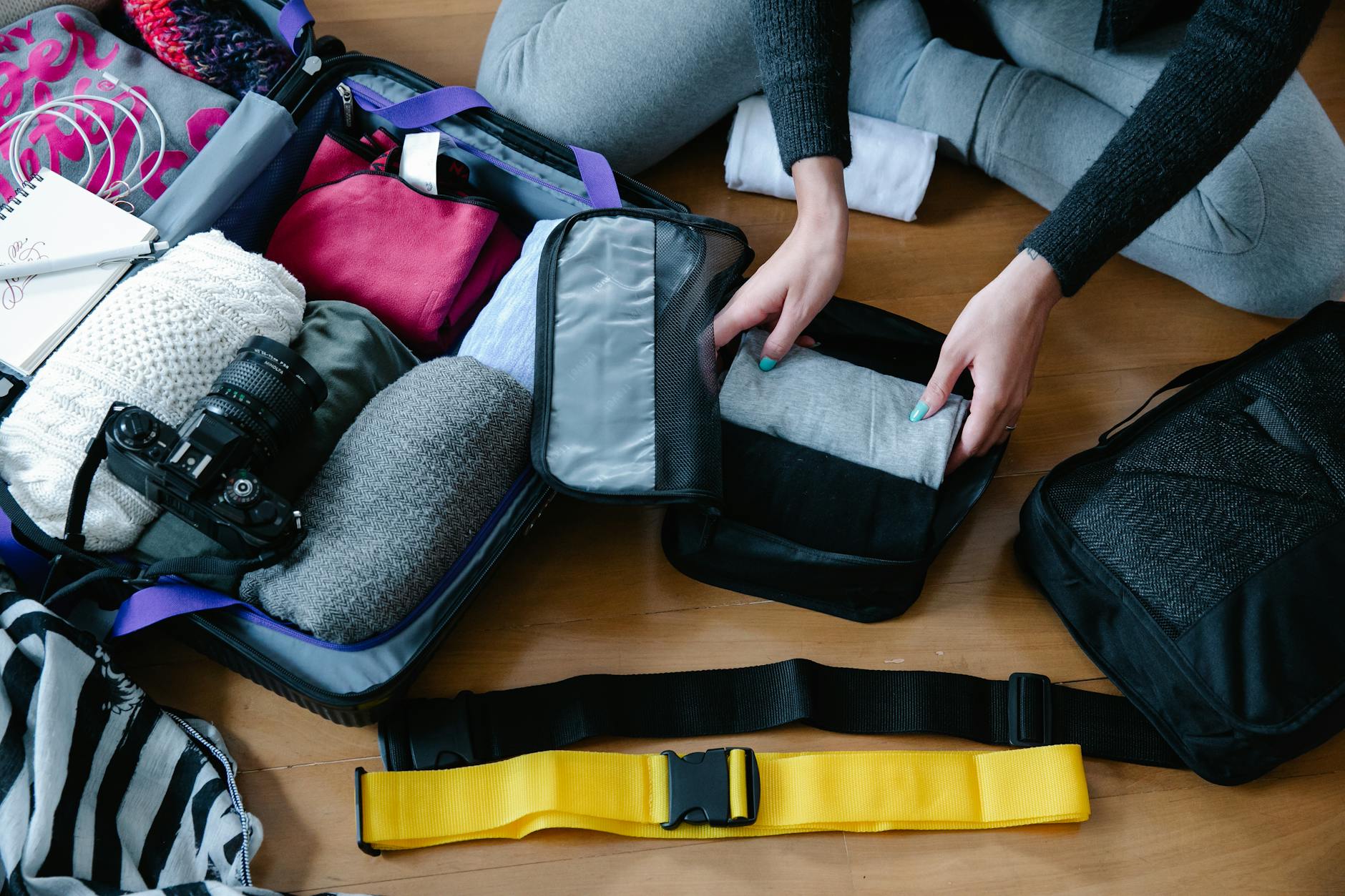
Universal Hanoi Clothing Essentials
- 5-7 lightweight, breathable shirts (linen, cotton, technical fabrics).
- 2-3 pairs of pants or trousers (one quick-dry, one nicer pair).
- 1-2 pairs of shorts (knee-length, modest cuts work best for temples).
- 1 dress or button-up shirt for upscale dinners.
- Underwear and socks for at least 7 days, plus one extra set.
- Lightweight long-sleeve shirt for sun, mosquito, and air-con protection.
- 1 cardigan or hoodie for evenings and over-air-conditioned cafés.
- Modest temple outfit (covers shoulders and knees).
- Swimsuit (for hotel pools or Halong Bay extension).
- Lightweight pajamas or sleepwear.
Footwear
- 1 pair of comfortable walking shoes or sneakers (most-used item daily).
- 1 pair of Teva-style sport sandals or quick-drying water shoes.
- 1 pair of slip-on flats or loafers (easy at temples).
- Optional: rain boots or boat shoes if traveling in monsoon.
Season-Specific Add-Ons
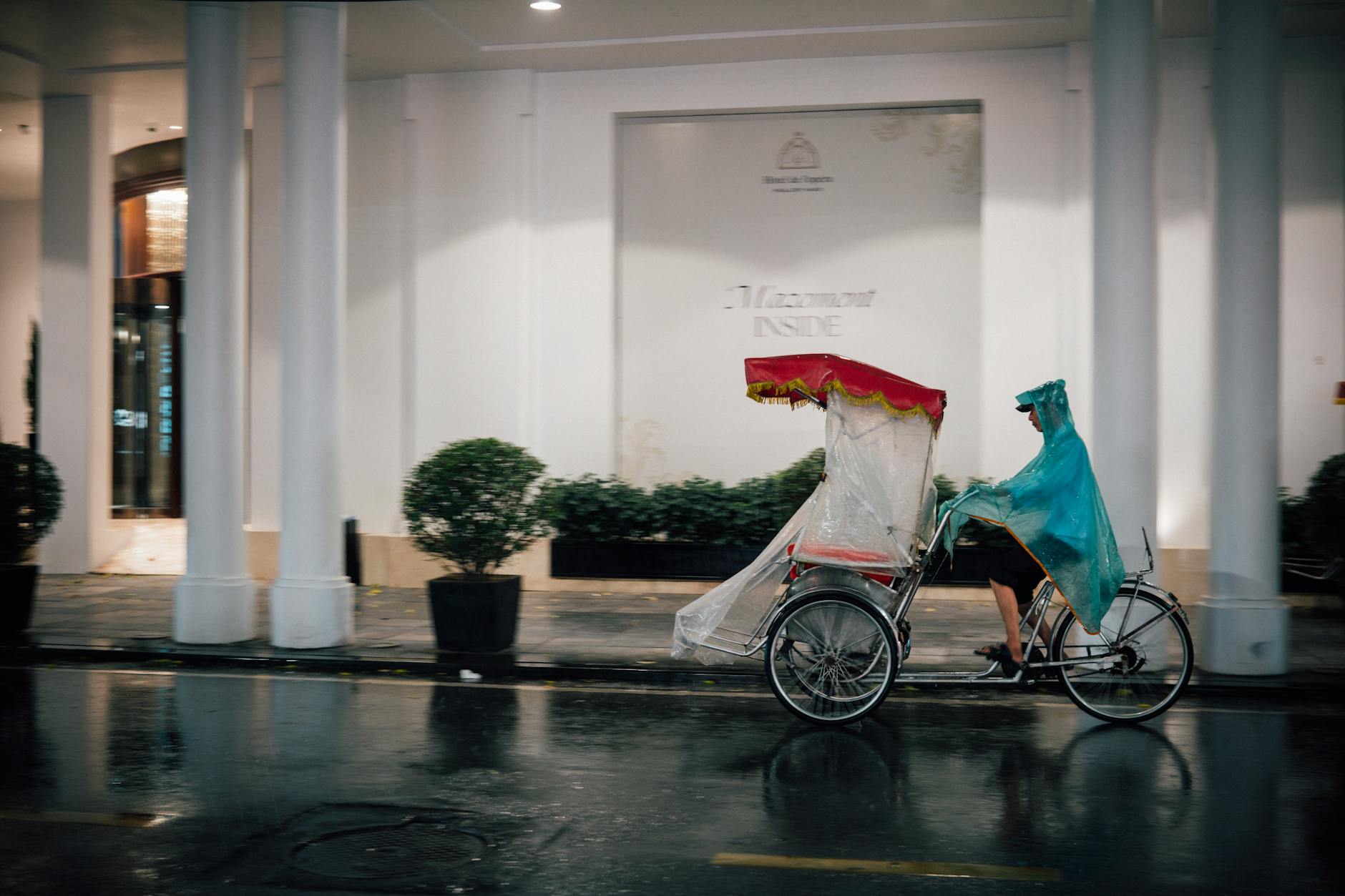
Summer/Monsoon (May-October):
- Compact rain jacket or poncho.
- Travel umbrella.
- Quick-dry travel towel.
- Waterproof phone pouch.
- Dry bags or compression cubes to keep electronics dry.
- Extra pair of dry socks for daypack.
Winter (December-February):
- Warm hoodie or fleece (Hanoi can dip to 10°C/50°F).
- Lightweight insulated jacket if heading to Sapa or Halong Bay.
- Beanie and gloves for evening boat trips.
- Long pants and closed-toe shoes daily.
Shoulder Seasons (March-April / October-November):
- Layering pieces — tank to long-sleeve to light cardigan.
- Compact wind-breaker.
- Light scarf (multipurpose: temple cover, plane warmth, sun shield).
72 Hours Before: Toiletries & Health Kit
Vietnam stocks most major-brand toiletries in supermarkets and pharmacies, but specialty items can be hard to find. Pack what you specifically use.
Toiletries Pouch
- Travel-size shampoo, conditioner, body wash (under 100 ml each).
- Toothbrush, toothpaste, and floss.
- Deodorant (specific brands sometimes harder to find locally).
- Hair brush, ties, or styling product.
- Razor and shaving cream.
- Sunscreen SPF 30+ (especially face-specific, often expensive locally).
- Insect repellent containing DEET, picaridin, or lemon-eucalyptus.
- Lip balm with SPF.
- Hand sanitizer and antibacterial wipes.
- Personal feminine hygiene products (Western brands less common in convenience stores).
Health & First Aid
- Prescription medications (already covered) — double check.
- Anti-diarrheal, oral rehydration salts.
- Pain relievers, antihistamines, antacids.
- Adhesive bandages, blister plasters (you will walk a lot).
- Antiseptic wipes and a small tube of antibiotic ointment.
- Tweezers and small scissors (in checked luggage).
- Eye drops and contact lens solution.
- Vitamin / electrolyte powder packets.
48 Hours Before: Money, Cards & Documents Final Check
- Print 2 paper copies of: e-visa approval, hotel confirmations, flight tickets, travel insurance certificate, passport bio page.
- Email digital copies to yourself and a trusted contact.
- Set up biometric login or trusted face/fingerprint on your phone for fast checkpoint access.
- Confirm currency: at least USD 100-200 in clean, post-2009 bills (ATMs may reject older notes; vendors definitely will).
- Stash an emergency USD 50 in a hidden pocket or shoe insole.
- Triple-check that medications are in carry-on, with prescription labels visible.
- Confirm baggage weight: domestic Vietnam flights enforce 7 kg carry-on and 20 kg checked.
24 Hours Before: Final Packing & Home Prep
Carry-On Bag (Critical Items Only)
- Passport with e-visa printout.
- Wallet with cards and cash.
- Phone, charger, power bank, adapter.
- Headphones.
- Empty refillable water bottle (fill after security).
- Snacks and chewing gum.
- One change of underwear, socks, and a t-shirt (in case checked luggage delays).
- Travel pillow, eye mask, earplugs.
- Prescription medication.
- Glasses, contact lenses, daily skincare basics.
- Pen for landing cards.
Home Preparation
- Set out-of-office on email and Slack.
- Pause mail or arrange for collection.
- Set thermostat to vacation mode.
- Stop newspaper delivery.
- Confirm pet care or boarding.
- Water plants or arrange watering.
- Take out the trash.
- Empty the fridge of perishables.
- Lock all doors and windows; double-check garage.
- Leave a copy of your itinerary with a trusted person at home.
Day-of-Departure Checklist
Morning Routine
- Wear travel-friendly outfit: comfortable layers, slip-on shoes, modest length.
- Recheck passport and e-visa printout location.
- Charge all devices to 100%.
- Eat a substantial meal — airline food is often delayed.
- Triple-check carry-on liquids comply with your departure airport’s rules.
- Arrive at the airport 3 hours before international departure.
At the Airport
- Confirm baggage tag attached and luggage receipt stored safely.
- Take a phone photo of your checked bag for insurance claims.
- Move excess liquids and sharp items into checked bag well before security.
- Refill water bottle past security to stay hydrated on the long flight.
- Set your watch / phone to Hanoi time (UTC+7).
Hanoi Arrival Day Checklist
- Fill out arrival cards (provided onboard) before landing.
- Have e-visa printout, passport, and onward flight info ready.
- Buy SIM card or activate eSIM in arrivals hall (if not done yet).
- Use ATM at Terminal 2 arrivals (Vietcombank or BIDV) for first cash withdrawal.
- Meet your pre-booked driver, take Grab from official ride-hailing area, or use authorized taxi rank.
- Photograph the taxi license and driver if any uncertainty.
- Drink only bottled water and stick to safe foods on day one to let your stomach acclimate.
- Check in, take a long shower, and resist the urge to nap longer than 90 minutes (push through to local bedtime to beat jet lag).
Hanoi Travel Checklist for Specific Travelers
Solo Travelers
- Photocopy of passport in a hidden body wallet.
- Doorstop wedge for hotel rooms.
- Personal alarm or whistle.
- Share your itinerary with a trusted person at home.
- WhatsApp emergency contacts saved.
Family Travelers
- Children’s travel-sized first aid kit.
- Familiar snacks and a couple of comfort items per child.
- Stroller (lightweight umbrella style works in Old Quarter).
- Baby wipes and disposable diapers (Western brands harder to find).
- Vaccination card for kids.
- Birth certificates if traveling without both parents.
Couples / Honeymooners
- One nicer outfit each for sunset cocktails or fine dining.
- Romantic activity bookings (water puppet show, sunset cruise, couples massage).
- Birth control or feminine items in Western brands.
Senior Travelers
- Spare reading glasses.
- Hearing aid batteries.
- Compression socks for the long-haul flight.
- Detailed list of medications, doses, and conditions for any local doctor.
- Walking stick if used at home.
Digital Nomads / Long-Stay
- Laptop with sleeve and locking cable.
- Noise-canceling headphones.
- Coworking day pass research (Toong, Dreamplex, Hanoi Toong).
- Long-stay visa extension paperwork.
- Multi-port docking station for hotel and café work.
Items You Don’t Need to Pack for Hanoi
Save weight and space by skipping these — they’re widely available locally:
- Conical hats and souvenirs — buy them on arrival.
- Bath towels — every hotel provides.
- Hairdryer — standard in most hotels (verify in budget hostels).
- Bottled water — cheap and ubiquitous.
- Most over-the-counter medications — pharmacies are everywhere.
- SIM card from home — just buy local on arrival.
- Heavy guidebooks — this site and offline Google Maps cover everything.
Hanoi Travel Checklist FAQs
How big should my suitcase be for Hanoi?
A 40-50 L backpack or a small to mid-size hard-shell roller (carry-on or 23-26 inch checked) is plenty for most trips. Many domestic Vietnam flights cap carry-ons at 7 kg, so weigh your bag before flying.
Can I drink tap water in Hanoi?
No. Always drink bottled, filtered, or boiled water. Most hotels supply complimentary bottles daily; a refillable bottle plus a filter like LifeStraw or Grayl reduces single-use plastic.
How much spending money do I need per day?
Budget travelers can manage on USD 30-40 per day; mid-range USD 70-120; luxury travelers easily spend USD 250+. Plan for a buffer of about 25% for tours, last-minute treats, and emergencies.
Do I need a power converter for Hanoi?
Vietnam runs on 220V/50Hz. Most modern phones, laptops, and cameras handle 100-240V automatically — so you only need a plug adapter, not a voltage converter. Older hair tools and shavers may need conversion; check the label.
Is travel insurance really necessary?
Yes. Vietnamese hospital costs are far cheaper than Western costs but can still climb fast for major issues. Medical evacuation home from Hanoi can exceed USD 50,000 without insurance. Buy a plan covering medical, evacuation, trip cancellation, and adventure activities if relevant.
Should I bring USD or rely on ATMs?
Both. ATMs are widespread and reliable, but bringing USD 100-200 in clean, modern bills is a smart safety net for the rare card or ATM hiccup.
Pre-Flight Final Sanity Check
Print or screenshot this final checklist and run through it the night before:
- Passport (6-month validity, 2 blank pages) ✓
- E-visa approval letter (printed and digital) ✓
- Hotel reservations (printed and digital) ✓
- Flight tickets (mobile boarding pass downloaded) ✓
- Travel insurance documents ✓
- Credit/debit cards (notified bank of travel) ✓
- USD cash (100-200) ✓
- Phone charged + power bank ready ✓
- Travel adapter packed ✓
- Prescription medications in carry-on ✓
- Insect repellent + sunscreen ✓
- Comfortable walking shoes ✓
- Light layer for plane and Old Quarter cafés ✓
- Offline Google Maps + Vietnamese language pack downloaded ✓
- Grab and Be apps installed ✓
- Home pre-departure tasks done (mail, plants, pets, locks) ✓
You’re Ready for Hanoi
A solid checklist is the foundation of a stress-free Hanoi trip. With your documents secured, the right gear in your bag, and your phone armed with Grab and offline maps, you’ll step into Noi Bai airport ready to enjoy every minute. Continue your prep with our first-time visitor guide, browse where to stay, and stay scam-free with Hanoi safety tips. For deeper culinary preparation, our complete food guide covers what to eat first.