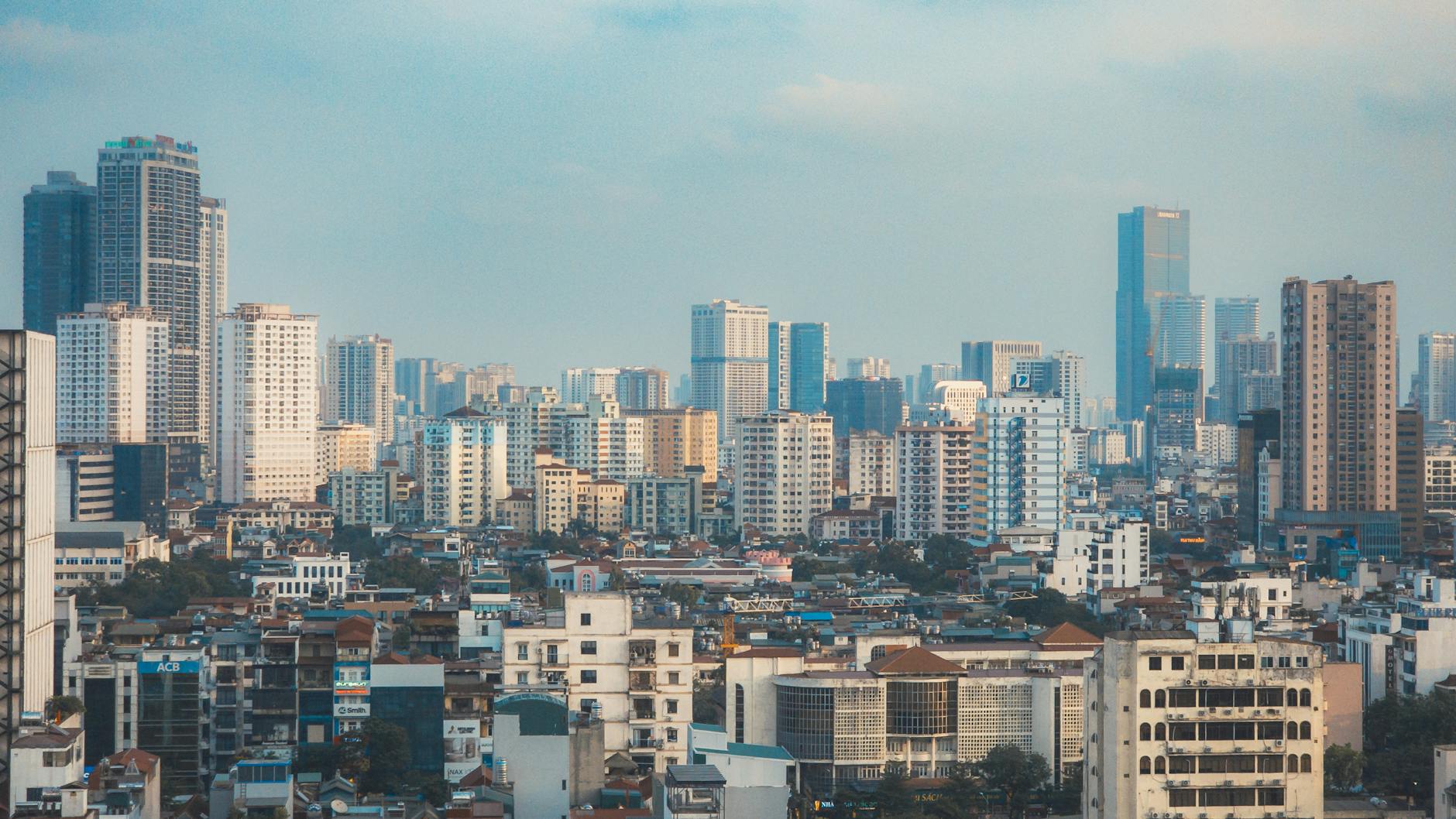
Choosing the right neighbourhood is the single biggest decision when booking Hanoi — it shapes how much you walk, what you wake up to, and how the city feels. The good news is that the main areas are distinct and easy to tell apart. This guide to Hanoi’s neighbourhoods breaks down each one — its character, who it suits and roughly what you’ll pay — so you can match the area to your trip before you book a thing.
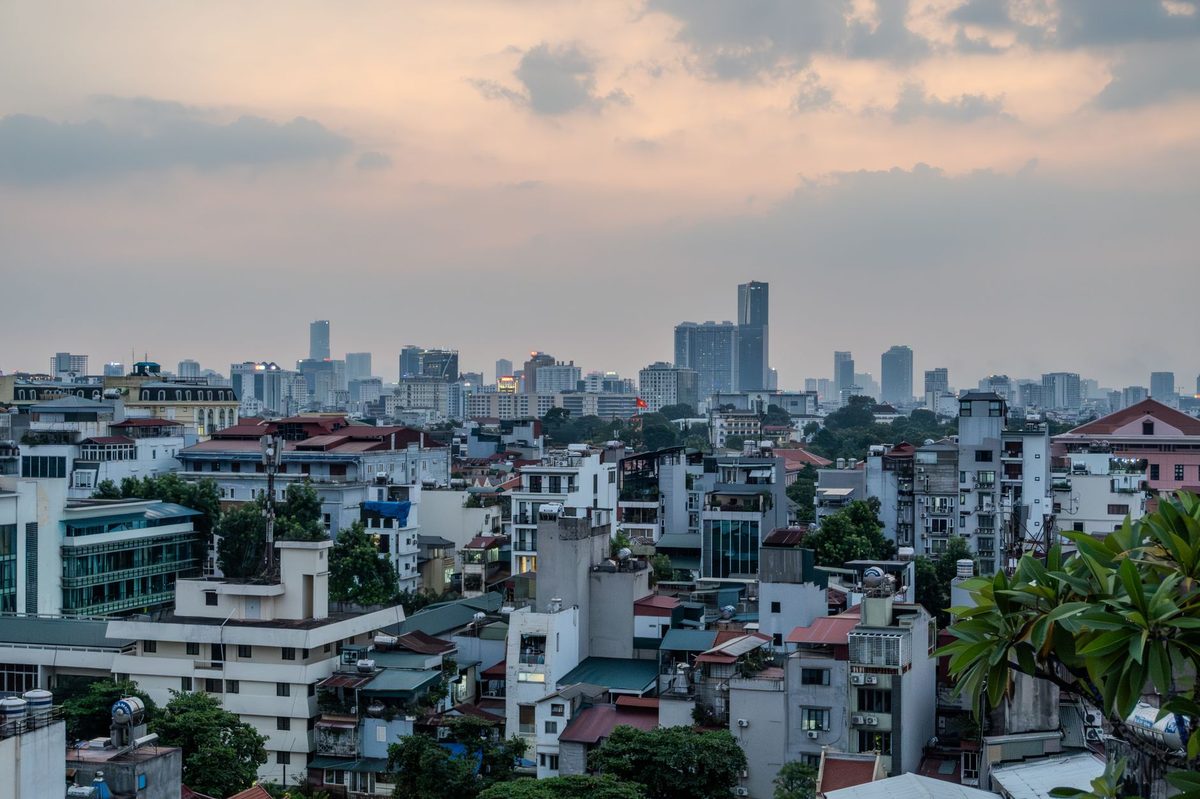
Hanoi neighbourhoods at a glance
| Neighbourhood | Feel | Best for | Rough hotel price |
|---|---|---|---|
| Old Quarter | Dense, atmospheric, chaotic | First-timers, foodies | $15–90 |
| Hoan Kiem lakeside | Central but greener | Walkers, couples | $30–200 |
| French Quarter | Elegant, colonial, calm | Luxury, couples, culture | $50–600 |
| Tay Ho (West Lake) | Spacious, expat, sunsets | Families, nomads, long stays | $25–400 |
| Ba Dinh | Grand, governmental, leafy | Sights, business, views | $40–350 |
| Truc Bach | Local, lakeside, low-key | Quiet, central-ish stays | $25–80 |
This is the area-decision companion to the full where to stay in Hanoi pillar; once you’ve picked an area, the dedicated guides below go deeper.
Old Quarter
The thousand-year-old maze of trading streets north of Hoan Kiem Lake — the most concentrated, sensory, walkable part of Hanoi. Street food everywhere, shops grouped by trade, and atmosphere by the bucketload, at the cost of noise and small rooms. It’s where most first-timers should start. Deep dive in the best Old Quarter hotels guide.
Hoan Kiem lakeside
The lake forms the Old Quarter’s southern edge, and staying beside it gives you central convenience with a greener, calmer feel and lovely morning walks. A great all-rounder for first visits — see the hotels near Hoan Kiem Lake guide.
French Quarter
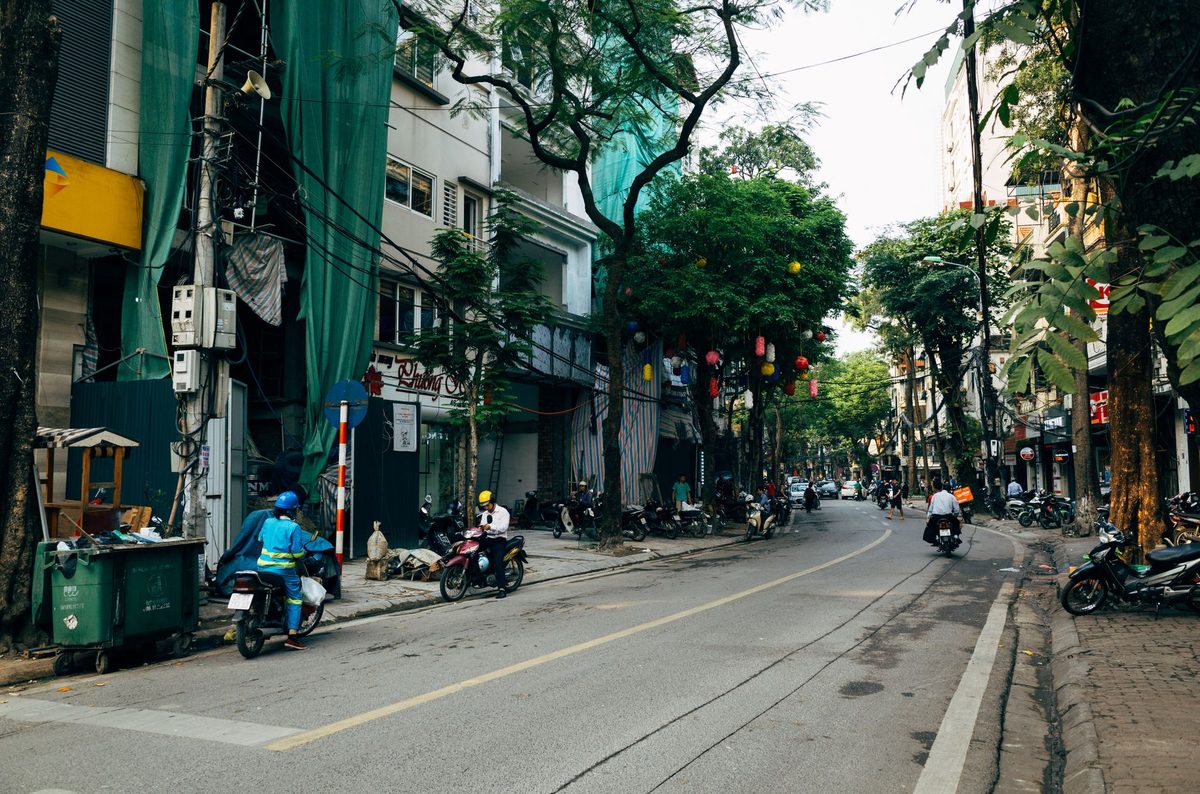
South of the lake, the elegant colonial district of wide boulevards, the Opera House and grand hotels. Calm, refined and central, it’s the home of luxury and the pick for couples and light sleepers. More in the French Quarter hotels guide.
Tay Ho (West Lake)
The spacious, leafy expat district around the city’s biggest lake — sunsets, brunch cafés, modern apartments and resorts, a short taxi from the centre. Best for families, remote workers and longer stays. See the West Lake accommodation guide.
Ba Dinh and Truc Bach
Ba Dinh is the grand, governmental district west of the Old Quarter — home to the Ho Chi Minh Mausoleum, the One Pillar Pagoda and broad, leafy avenues, with the Lotte tower’s views above it. Calm and dignified, good for sightseeing and business. Truc Bach, the smaller lake between the Old Quarter and West Lake, is a quietly local, low-key area that’s handy and central without the crowds — a nice pick for a calmer but still-connected stay.
Which neighbourhood for which traveller?
- First-time visitor: Old Quarter or Hoan Kiem lakeside — walk to everything.
- Couple / honeymoon: French Quarter or a West Lake resort for romance and calm; see the couples guide.
- Family: Tay Ho for space, or central with family rooms — the family hotels guide helps.
- Budget / backpacker: Old Quarter for the cheapest beds and social scene.
- Long stay / remote work: Tay Ho, every time.
- Luxury: French Quarter or a West Lake resort.
How the areas connect
Central Hanoi is compact: the Old Quarter, Hoan Kiem lakeside and French Quarter all blend into one walkable core, while Ba Dinh is a short walk or quick ride west and Tay Ho is about 15–25 minutes north by Grab. A common, very effective plan is to split your stay — a few central nights for the sights and street life, then West Lake to wind down. Getting between areas is cheap and easy with Grab; the transportation guide has the detail.
A few more areas worth knowing
Beyond the headline neighbourhoods, a couple more occasionally come up. Dong Da, southwest of the centre, is a large, local district with the Temple of Literature on its edge — more residential and cheaper, though further from the main tourist core. Long Bien, across the Red River via the historic Long Bien Bridge, is largely local and rarely a tourist base, but the bridge and the riverside banana fields make a memorable visit. For almost all visitors, though, the six neighbourhoods above cover the bases, and there’s rarely a good reason to stay further out on a first trip.
Budget by neighbourhood
Your money goes furthest in the Old Quarter, which has the city’s cheapest dorms and mini-hotels alongside mid-range boutiques. Tay Ho spans budget apartments to five-star resorts. The French Quarter skews priciest, being luxury territory, though side-street boutiques soften that. Wherever you look, Hanoi is excellent value by global standards — even central, well-reviewed boutiques rarely break $90. For squeezing the most from your budget, see the Hanoi budget travel guide.
Safety across the neighbourhoods
All the main neighbourhoods are safe for visitors, including for solo and women travellers. Hanoi is a low-crime city; the everyday hazards are traffic and the occasional overcharging rather than anything serious. Central areas are busy and well-lit late into the evening, and Tay Ho is quiet and residential. The Hanoi safety tips guide covers the common scams and how to sidestep them.
Frequently asked questions
What is the best neighbourhood to stay in Hanoi?
For most first-time visitors, the Old Quarter or the Hoan Kiem lakeside — central, walkable and atmospheric. Couples and luxury travellers often prefer the French Quarter, while families and long-stay visitors love Tay Ho (West Lake).
Where should I stay in Hanoi for the first time?
Base yourself in or beside the Old Quarter so the main sights, food and the lake are on foot. It’s the easiest, most atmospheric introduction to the city; you can always move to a calmer area for the second half of your trip.
Which Hanoi neighbourhood is best for families?
Tay Ho (West Lake) for space, pools and a calmer pace, or a central area with family rooms if you prefer to walk to attractions. Serviced apartments in either work well for longer family stays.
Is Tay Ho too far from central Hanoi?
It’s about 15–25 minutes by Grab — far enough to feel peaceful, close enough to reach the sights easily. Many visitors happily base there and taxi in, enjoying the calm at the start and end of each day.
How many nights should I spend in each area?
A popular approach is two to four nights central (Old Quarter or lakeside) for the sights and street life, then, if you have time, two or three in Tay Ho to wind down. Short trips can comfortably stay central the whole time; longer trips benefit from a change of scene.
Final thoughts
Get the neighbourhood right and Hanoi falls into place. Pick the Old Quarter or lakeside for your first visit, the French Quarter for elegance, or Tay Ho for space and calm — then use the dedicated area guides to find the perfect hotel. Start from the where to stay in Hanoi pillar to pull it all together.