
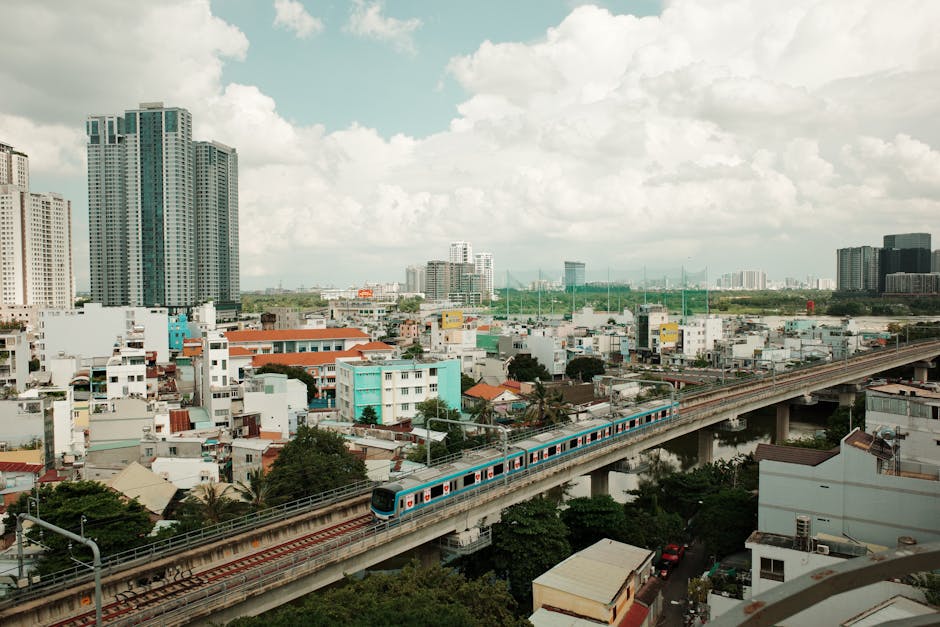
Hanoi’s metro system — the first in northern Vietnam — is now partially operational with 2 lines connecting western suburbs to central districts. Cat Linh-Ha Dong (Line 2A) opened in 2021 and Nhon-Hanoi Railway Station (Line 3) launched its first elevated stretch in 2024. While the network is limited compared to other Asian capitals, it’s clean, modern, air-conditioned, and dirt cheap. This complete Hanoi metro guide for 2026 covers all operating lines, fares, schedules, and where the metro is useful for tourists.
About Hanoi Metro
Hanoi Metro is a developing mass-transit system planned to eventually have 8 lines. As of 2026, two lines are operational with several others under construction or planned. The system uses fully air-conditioned trains, modern stations, and follows global metro standards.
Operational Lines (2026)
Line 2A: Cat Linh – Ha Dong
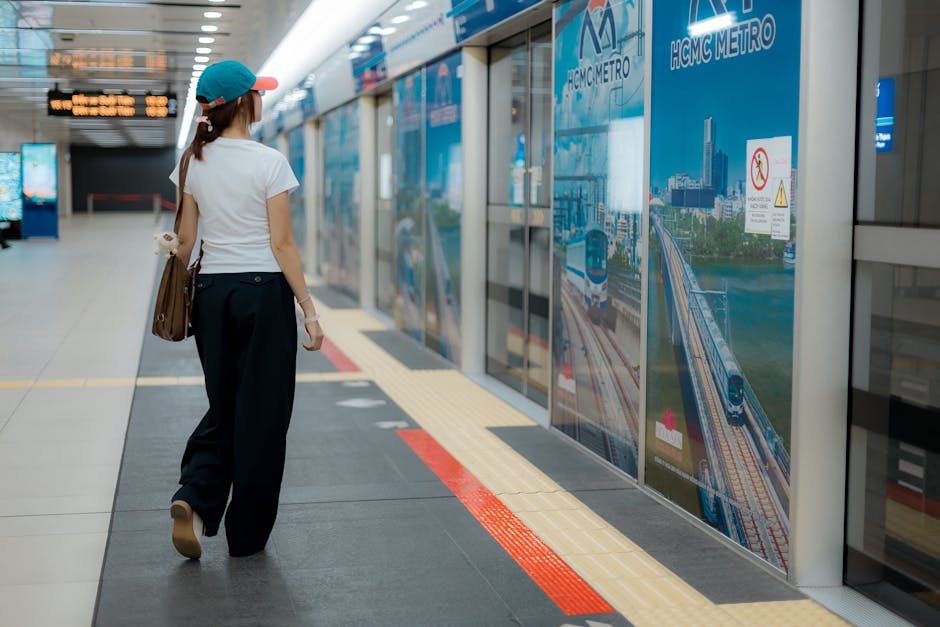
- Length: 13 km (fully elevated).
- Stations: 12 stations.
- Opened: November 2021.
- Frequency: Every 6-10 min.
- Hours: 5:30 AM – 10:00 PM.
- Travel time end-to-end: ~23 min.
- Useful tourist stations: Cat Linh (near Hoan Kiem area — 15 min walk to Old Quarter), Van Quan (near tourist sights), La Khe.
Line 3: Nhon – Hanoi Railway Station
- Length elevated: 8.5 km (12.5 km eventually).
- Stations operational: 8 (elevated section).
- Status: Elevated section running. Underground extension under construction.
- Opened: August 2024 (elevated section).
- Frequency: Every 8-12 min.
- Hours: 5:30 AM – 10:00 PM.
- Useful tourist stations: Cau Giay (business district), Kim Ma (near Lotte Center, embassies).
Fares
- Single trip Line 2A: 8,000-15,000 VND ($0.32-0.60) depending on distance.
- Single trip Line 3: 12,000-15,000 VND.
- Day pass: 30,000 VND ($1.20) unlimited.
- Monthly card: 200,000 VND ($8) for residents.
- Student/senior discount: 50% off.
How to Use Hanoi Metro
Buying Tickets
- Enter station and approach ticket machine or counter.
- Select destination on touchscreen (English available).
- Pay cash (small bills) or card.
- Receive contactless card token.
- Tap token at entry gate.
- Insert/tap card at exit to release gate.
Riding the Train
- Follow signs to your platform direction.
- Wait behind safety line.
- Let passengers exit first.
- Stand on right of escalators (left side is for walking).
- Priority seats for elderly, pregnant, disabled.
- No eating/drinking on trains.
Is the Metro Useful for Tourists?
Tourist Pros
- Beat traffic: Metro is faster than Grab during rush hour.
- Very cheap — 80% cheaper than Grab.
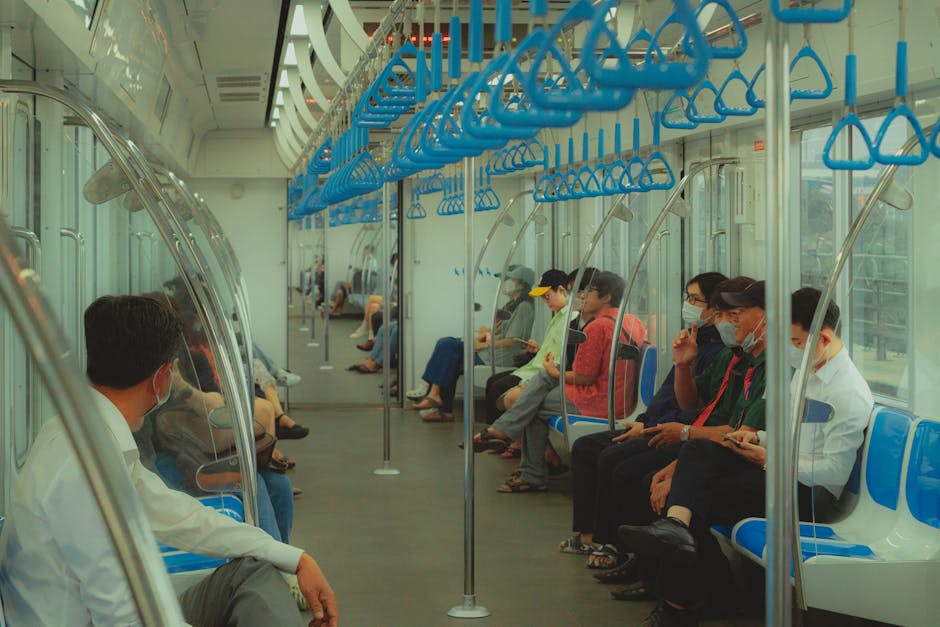
- Air-conditioned — comfortable in summer heat.
- Photographic experience for transit enthusiasts.
- Useful for: Hanoi-Ha Dong day trips, business district access, Lotte Center area.
Tourist Cons
- Limited coverage — doesn’t reach Old Quarter directly.
- Only 2 lines currently operational.
- Last-mile walking or Grab still needed.
- Most tourist sights reached faster by Grab or walking.
Future Hanoi Metro Lines
- Line 1: Ngoc Hoi – Yen Vien – Nhu Quynh (under planning).
- Line 2: Noi Bai Airport – Hoan Kiem – West Lake (under construction; planned completion late 2020s).
- Line 4: Lien Ha – Bac Thang Long (under planning).
- Line 5: Van Cao – Hoa Lac (under construction).
- Line 6: Noi Bai Airport – Ngoc Hoi (under planning).
- Line 8: Son Dong – Mai Dich – Lac Long Quan (under planning).
The future Line 2 will be a game-changer for tourists once it connects the airport to Hoan Kiem.
Metro vs Other Hanoi Transport
- Metro vs Grab Car: Metro is 5-10x cheaper but only useful for specific routes.
- Metro vs Bus: Metro is faster, comparable price, more reliable.
- Metro vs Walking: Walking better for Old Quarter; metro better for distant areas.
- Metro vs Cyclo: Metro is fast transit; cyclo is leisurely experience.
Metro Etiquette
- No food or drink.
- No smoking (anywhere in stations or trains).
- Give priority seats to elderly, disabled, pregnant.
- Keep voice down.
- No littering — fines apply.
- Don’t block doors.
- Photography OK; selfies on platforms fine.
Metro Tips for Tourists
- Carry small bills for ticket machines.
- Try Line 2A at least once for the experience.
- Off-peak hours (10 AM-4 PM) are most pleasant.
- Avoid rush hour (7-9 AM, 5-7 PM) unless you must.
- Tap out at your destination — you’ll need the token for exit gates.
- Stand right, walk left on escalators.
- Last train typically 9:55-10:00 PM.
Metro Safety
Hanoi Metro is very safe. Security cameras throughout. Security staff at all stations. Crime rare. Standard precautions:
- Keep belongings close on crowded trains.
- Be alert for pickpockets at entry/exit.
- Don’t put phones in back pockets.
- Single women safe to ride at any hour.
Hanoi Metro FAQs
How many metro lines does Hanoi have?
2 operational (2A and partial Line 3). Several more under construction or planning.
How much is a metro ride?
8,000-15,000 VND ($0.32-0.60) per trip.
Does the metro reach the airport?
Not yet. Line 2 (planned) will connect airport to Hoan Kiem. No completion date confirmed.
Does the metro reach Old Quarter?
Not directly. Cat Linh station (Line 2A) is 15-min walk from Hoan Kiem Lake area.
What hours does it operate?
5:30 AM – 10:00 PM daily.
Are signs in English?
Yes — bilingual Vietnamese/English throughout.
Can I use a contactless card?
Yes — pay with cash for token or use rechargeable card.
Are the stations accessible?
Yes — elevators and ramps at all stations. Visually-impaired aids available.
Plan Your Hanoi Metro Experience
The Hanoi metro is a fast-growing alternative to traffic-clogged streets. With this guide you have lines, fares, and tourist applications. Pair this guide with our complete Hanoi transportation guide, bus system guide, and Grab guide.