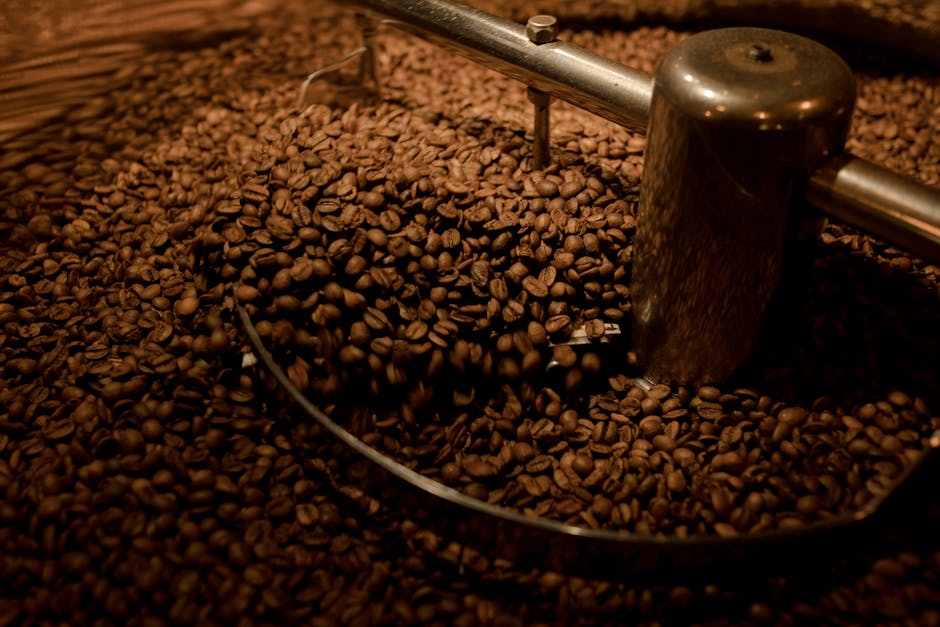
Vietnam’s coffee story spans 167 years — from a single seedling brought by a French missionary in 1857 to becoming the world’s second-largest coffee producer (40% of global robusta). Along the way, the Vietnamese transformed coffee through wartime ingenuity (egg coffee), economic reform (tripling production after 1986), and cultural innovation (phin filter brewing). Understanding this history adds depth to every cup. This complete history of Vietnamese coffee guide for 2026 traces the journey from 19th-century introduction to modern specialty scene.
The Beginning: 1857 French Introduction
The First Seedling
In 1857, French Catholic missionaries brought the first coffee seedlings to Vietnam. Initial plantings in Ha Nam province (about 60 km south of Hanoi) experimented with Coffea arabica. Vietnamese soil and climate proved well-suited.
French Colonial Plantations
Throughout the late 1800s, French colonial administrators established commercial coffee plantations across Vietnam, particularly in:
- Central Highlands (Lam Dong, Dak Lak, Gia Lai).
- Vietnamese mountains.
- Northern hills.
Cultural Influence
French influence shaped early Vietnamese coffee culture:
- French brewing techniques (drip coffee).
- French chicory tradition.
- European-style cafes in colonial cities.
1900-1945: French Indochina Coffee Era
Plantation Expansion
By 1908, Vietnam exported its first commercial coffee. By 1920s, Vietnamese coffee was reaching European markets. Hanoi developed Western-style cafes catering to French elite and Vietnamese mandarins.
Vietnamese Adoption
While initially a foreign drink, Vietnamese gradually adopted coffee, often modifying it to local taste:
- Sweetened condensed milk became standard.
- Strong coffee preferred.
- Cool-weather appropriate hot drinks.
Phin Filter Origin
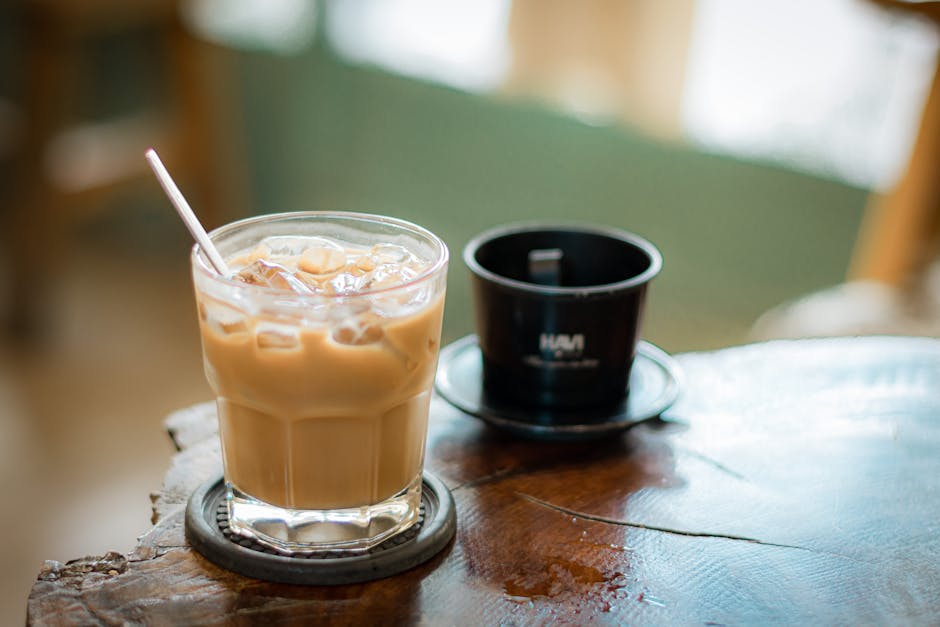
The Vietnamese phin filter evolved from French drip coffee makers, simplified for individual cup brewing. Stainless steel construction made it durable, affordable, and uniquely Vietnamese.
1946: Egg Coffee Born in Hanoi
Wartime Ingenuity
Post-World War II Vietnam faced milk shortages. Nguyen Van Giang, working at Hanoi’s Sofitel Metropole Hotel, substituted whipped egg yolk for milk in coffee. The result: ca phe trung (egg coffee), a creamy, sweet drink.
Cafe Giang Founded
Giang opened his own cafe to serve his invention. Cafe Giang at 39 Nguyen Huu Huan Street still operates today, run by Giang’s descendants. They serve the original 1946 recipe.
Cultural Significance
Egg coffee became Hanoi’s signature drink, representing Vietnamese resourcefulness and creativity during difficult times.
1954-1975: Divided Vietnam Coffee
North Vietnam (Communist)
- Coffee production restricted.
- State-controlled distribution.
- Limited to local cafes.
South Vietnam (Western-Aligned)
- French coffee culture continued.
- Specialty cafes in Saigon.
- Western-style coffee shops.
Vietnamese Coffee Culture Survival
Despite war, Vietnamese coffee culture persisted in both halves of country. Cafes served as social meeting points throughout difficult decades.
1975-1986: Reunified Vietnam Coffee
Centralized Planning
Post-war Vietnam saw coffee under state control. Production stagnated. Quality varied.
Cafes Survived
While restricted, cafes remained important social spaces. Heritage cafes continued operating.
1986: Doi Moi Reforms – Coffee Boom
Economic Transformation
Vietnam’s 1986 Doi Moi (renovation) reforms shifted to market economy. Coffee production transformed:
- Private farmers allowed.
- Foreign investment.
- Export-focused production.
Robusta Strategy
Vietnam strategically focused on robusta beans — suited to climate, higher yields, lower elevation farms possible. Within decade, Vietnam became major global producer.
Production Boom
- 1986: 18,000 tons annually.
- 1995: 320,000 tons.
- 2010: 1.1 million tons.
- 2020: 1.6+ million tons.
1990s-2000s: Global Coffee Player
World’s 2nd Largest Producer
By 2000, Vietnam was world’s second-largest coffee producer (after Brazil). Vietnamese robusta dominated global supply chains.
Coffee Industry Growth
- Trung Nguyen founded (1996) — major Vietnamese brand.
- Highlands Coffee opened (1998).
- Coffee chains spread.
- International coffee giants entered Vietnam market.
Vietnamese Coffee Identity
Vietnamese coffee culture defined globally:
- Phin filter brewing.
- Sweetened condensed milk addition.
- Strong, dark robusta.
- Iced coffee with milk (sua da).
2010s: Coffee Specialty Movement
Quality Focus
Vietnamese coffee began shifting toward quality:
- Da Lat highlands arabica gained reputation.
- Single-origin specialty roasters emerged.
- Direct trade relationships developed.
- Bean-to-cup operations.
Hanoi Specialty Scene
Hanoi’s Tay Ho district developed specialty coffee scene:
- The Workshop (multi-roaster).
- Hanoi Specialty Coffee.
- Maison Marou.
- Various single-origin focused shops.
Coconut Coffee Innovation
Cong Cafe popularized coconut coffee in 2010s. Smoothie-like drink with coffee blended with coconut cream. Now found at most modern cafes.
2020s: Modern Vietnamese Coffee
Specialty Coffee Boom
- Multi-roaster cafes.
- Pour-over expertise.
- Single-origin focus.
- Coffee education classes.
- Subscription services.
Cultural Recognition
- Egg coffee gains global fame.
- Vietnamese coffee at Western specialty cafes.
- Vietnamese coffee competitions.
- Documentary films.
Challenges
- Climate change affecting production.
- Coffee leaf rust threats.
- Smallholder farmer income.
- Competition from other producers.
Vietnamese Coffee Production Today
Statistics
- 1.6+ million tons annually.
- 40% of world robusta.
- 14% of all coffee globally.
- Behind only Brazil in production.
Major Growing Regions
- Dak Lak — Largest robusta producer.
- Lam Dong (Da Lat) — Premium arabica.
- Gia Lai — Robusta region.
- Kon Tum — Mountainous coffee.
- Buon Ma Thuot — Coffee capital.
Coffee Industry Employment
- 500,000+ farming households.
- 2.6 million people work in coffee sector.
- Major export earner.
Iconic Vietnamese Coffee Brands
Trung Nguyen Group
- Founded 1996 by Le Hoang Diep Thao.
- Vietnam’s biggest coffee company.
- Global expansion.
- Premium and mass-market brands.
Highlands Coffee
- Founded 1998.
- Major Vietnamese chain.
- Acquired by Filipino group 2012.
Vinacafe
- State-owned producer.
- Major exporter.
Specialty Roasters
- The Workshop.
- Hanoi Specialty Coffee.
- Maison Marou.
- Cuba Cafe.
Vietnamese Coffee Culture Today
Daily Ritual
For Vietnamese, coffee remains:
- Morning ritual.
- Social meeting place.
- Symbol of hospitality.
- National pride.
Cafe Diversity
- Sidewalk pho shops.
- Heritage cafes.
- Modern chains.
- Specialty roasters.
- Hidden rooftop spots.
- Hotel cafes.
Coffee Tourism
- Hanoi coffee tours.
- Da Lat highland coffee farms.
- Buon Ma Thuot coffee festival.
- Roastery visits.
Famous Vietnamese Coffee Quotes
- “Coffee is to Vietnam what tea is to China.”
- “Vietnamese coffee is a hug in a cup.”
- “Without coffee, no Hanoi.” — Local saying.
Vietnamese Coffee in Pop Culture
Film & Documentaries
- “Coffee Wars” (Trung Nguyen story).
- Coffee scenes in Vietnamese films.
- Documentary on Cafe Giang.
Books
- Vietnamese coffee culture books.
- Coffee guide books.
- Recipe books.
Global Influence
- Egg coffee at Western specialty cafes.
- Vietnamese coffee in international media.
- Vietnamese coffee at restaurants worldwide.
Future of Vietnamese Coffee
Specialty Growth
- Continued shift to quality.
- More direct trade relationships.
- Premium pricing for specialty beans.
- Vietnamese arabica gaining recognition.
Sustainability
- Climate-resilient varieties.
- Sustainable farming practices.
- Fair trade certifications.
- Smallholder farmer support.
Innovation
- New brewing methods.
- Coffee-tourism experiences.
- Coffee education growth.
- Modern cafe concepts.
Visit Coffee History Sites
Cafe Giang
- Birthplace of egg coffee (1946).
- 39 Nguyen Huu Huan Street, Hanoi.
- Original recipe still served.
Sofitel Metropole
- Where Nguyen Van Giang invented egg coffee.
- Hanoi historic hotel.
Trung Nguyen Coffee Museum
- Buon Ma Thuot.
- Coffee production history.
Da Lat Coffee Plantations
- Visit working coffee farms.
- See Vietnamese arabica production.
Vietnamese Coffee History FAQs
When did coffee come to Vietnam?
1857 by French missionaries.
Why is Vietnam a coffee producer?
French colonization established commercial coffee. Vietnamese soil and climate suit robusta well.
What’s Vietnam’s coffee ranking?
World’s 2nd largest producer (after Brazil).
Where was egg coffee invented?
Cafe Giang in Hanoi (1946) by Nguyen Van Giang.
Why does Vietnamese coffee taste different?
Robusta beans (stronger), phin filter brewing, sweetened condensed milk.
Which region produces best Vietnamese coffee?
Da Lat (Lam Dong) for arabica. Dak Lak for robusta.
How has Vietnamese coffee changed recently?
Specialty coffee scene growing. Quality focus increasing.
Is Vietnamese coffee good?
Yes — from traditional iced milk coffee to specialty single-origin arabica.
Plan Your Coffee History Tour
Understanding Vietnamese coffee history enhances every sip. Pair this guide with our coffee culture pillar, egg coffee history, specialty coffee guide, and best cafes.