Choosing where to stay in Hanoi can make or break your Vietnam experience. This ancient capital city seamlessly blends French colonial charm with vibrant Vietnamese culture, offering accommodation options across every budget and neighborhood. Whether you’re a backpacker exploring street food markets, a couple seeking romantic French Quarter stays, or a luxury traveler wanting five-star pampering, Hanoi has the perfect place waiting for you.
With over 3,500 hotels, hostels, and guesthouses scattered across diverse neighborhoods, deciding where to stay in Hanoi requires understanding each area’s unique character. Unlike other Southeast Asian capitals where tourists cluster in a single district, Hanoi’s accommodation scene spreads across at least seven distinct neighborhoods — each offering a radically different experience. This comprehensive guide breaks down every neighborhood, accommodation type, realistic price range, and practical booking strategy to help you find your ideal base in this captivating city of 8 million people.
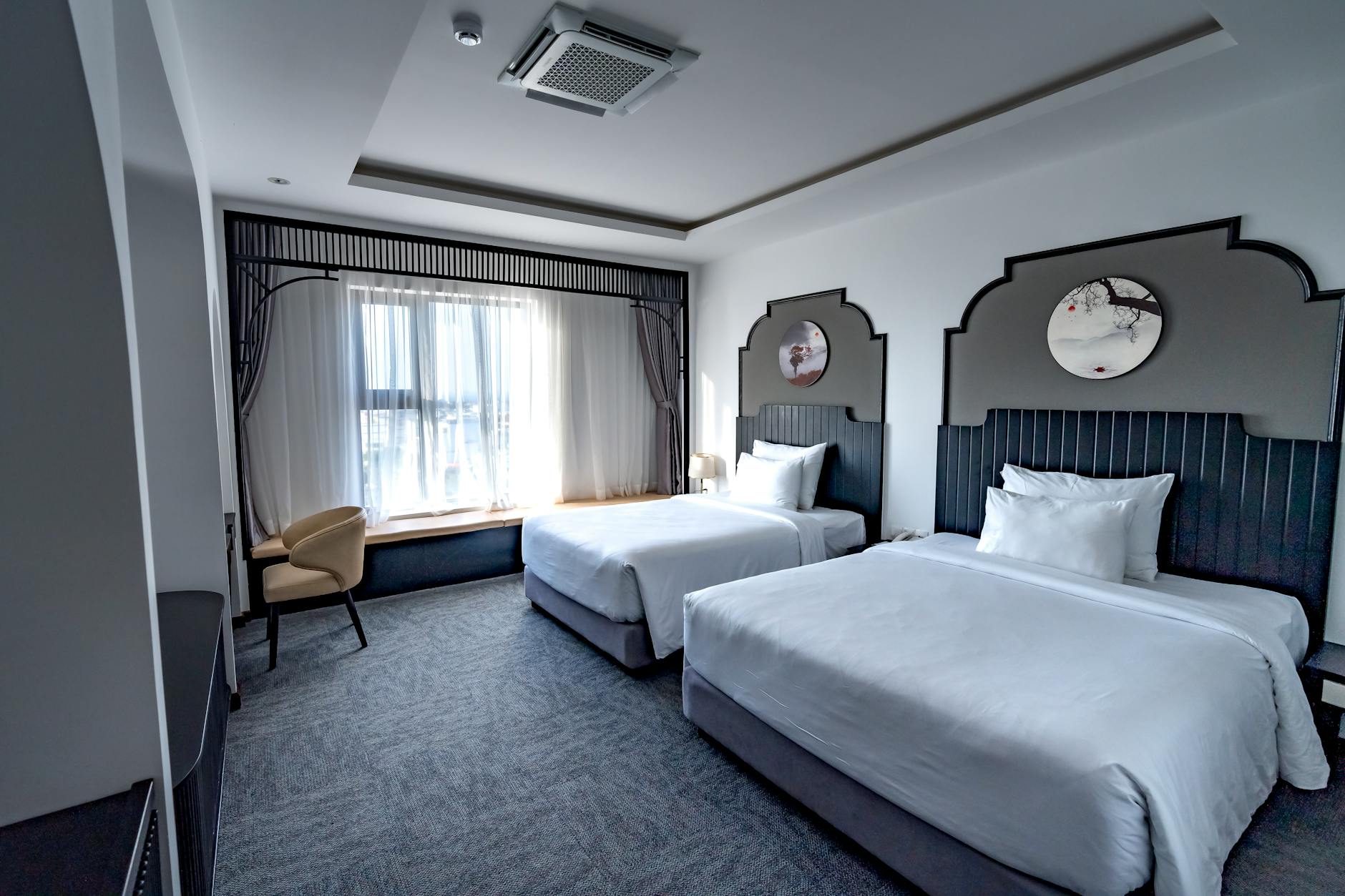
Where to Stay in Hanoi: Complete Neighborhood Guide
Hanoi’s neighborhoods each offer distinct experiences that shape your entire trip. Your choice of where to stay in Hanoi determines the street food you’ll eat, the pace of life you’ll experience, and how easily you’ll reach key attractions. Let’s explore every option in detail, from the chaotic Old Quarter to the serene shores of West Lake.
Old Quarter (Phố Cổ) — Best for First-Time Visitors
The Old Quarter is where to stay in Hanoi if you’re visiting for the first time or live for street food. This chaotic, electric neighborhood dates back over 1,000 years to when the Ly Dynasty established Thang Long citadel, and it remains the undisputed heart of Hanoi’s tourism scene. Thirty-six narrow lanes — historically named after the goods once traded there (Hang Bac for Silver, Hang Gai for Silk, Hang Thiec for Tin) — now burst with restaurants, rooftop bars, souvenir shops, and travelers from every corner of the globe.
The Old Quarter cradles the north and west sides of iconic Hoan Kiem Lake. Walking its labyrinthine alleys, you’ll encounter tube houses barely two meters wide but stretching 60 meters deep, ancient temples tucked between cafes, and some of the best pho and bun cha in Vietnam served from tiny plastic stools on the sidewalk. Every Friday, Saturday, and Sunday evening, several streets close to traffic for the famous Night Market, transforming the area into a pedestrian paradise of shopping, food stalls, and live music.
Best for: First-time visitors, solo backpackers, street food enthusiasts, nightlife seekers, culture lovers who thrive on sensory overload
Pros: Ultra walkable with everything at your doorstep, the best street food concentration in Hanoi, proximity to Hoan Kiem Lake and St. Joseph’s Cathedral, vibrant nightlife on Ta Hien “Beer Street,” the Weekend Night Market, water puppet theater, and Train Street. Accommodation at every price point from $6 dorms to $250+ boutique hotels.
Cons: Incredibly noisy from 5:30am to midnight (motorbike horns, construction, karaoke bars, street vendors), chaotic traffic that makes crossing the street an art form, relentlessly crowded year-round, limited green space or quiet retreats, and prices inflated 20-40% compared to other neighborhoods. Light sleepers should request rooms on higher floors facing interior courtyards rather than the street.
Key streets for accommodation: Ma May Street and Hang Bac Street are the backpacker epicenters with the highest concentration of hostels and budget hotels. Hang Trong and Nha Tho (near St. Joseph’s Cathedral) offer quieter, more upscale options. Avoid rooms directly above Ta Hien Street unless you enjoy bass-heavy music until 2am.
Price range: Dorm beds $6-15/night, private budget rooms $15-40/night, mid-range hotels $40-100/night, boutique hotels $100-250/night. In Vietnamese Dong: 150,000-6,000,000 VND per night depending on accommodation type and season.
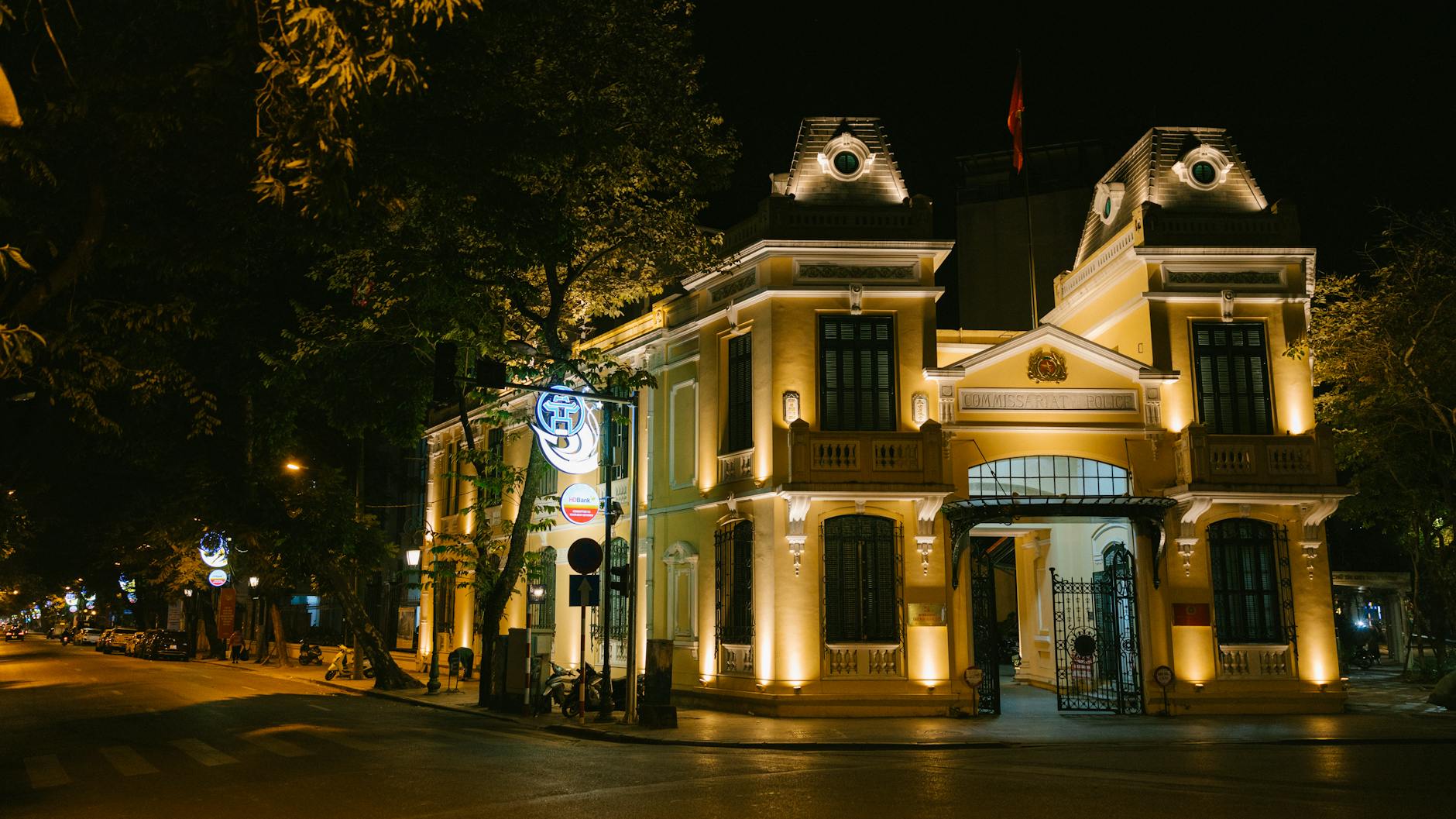
French Quarter (Tràng Tiền / Opera House Area) — Best for Couples & Luxury Travelers
The elegant French Quarter represents where to stay in Hanoi for couples, honeymoons, and travelers who appreciate refined atmospheres. Stretching along the eastern and southern sides of Hoan Kiem Lake, this tree-lined neighborhood showcases the architectural legacy of French colonial rule (1858-1954): grand villas with wrought-iron balconies, the magnificent Hanoi Opera House modeled after Paris’s Palais Garnier, and broad boulevards like Trang Tien Street that feel worlds apart from the chaotic Old Quarter just blocks away.
The French Quarter is home to Hanoi’s most celebrated hotel — the Sofitel Legend Metropole Hanoi, which has welcomed guests since 1901. Charlie Chaplin, Graham Greene (who wrote parts of The Quiet American here), Jane Fonda, and numerous heads of state have stayed within its storied walls. During the American War, the hotel’s underground bomb shelter protected guests during air raids — you can still tour it today. Beyond the Metropole, the Hotel de l’Opera captures theatrical French elegance with plush rooms overlooking the Opera House, while newer boutique properties blend colonial aesthetics with contemporary Vietnamese design.
Best for: Couples and honeymooners, luxury travelers, business visitors, architecture enthusiasts, travelers who want walkable access to the Old Quarter without sleeping in the noise
Pros: Sophisticated atmosphere with tree-canopied streets, walking distance to Hoan Kiem Lake and the Old Quarter (10-15 minutes), excellent restaurants ranging from French bistros to upscale Vietnamese, stunning colonial architecture at every turn, noticeably quieter than the Old Quarter especially at night, boutique shopping along Trang Tien Street, and the cultural anchor of the Opera House with regular performances.
Cons: Significantly more expensive with very few budget options, less vibrant street food scene compared to the Old Quarter, can feel overly polished and less “authentic” for travelers seeking gritty local charm, and limited nightlife options beyond hotel bars.
Price range: Mid-range boutique $60-150/night, upscale $150-300/night, luxury $300-800+/night. The Sofitel Legend Metropole averages $350-800/night depending on season and room category, while Hotel de l’Opera ranges $150-400/night. Newer boutique options like the Apricot Hotel offer excellent value at $100-200/night with stunning lake views. In VND: 1,500,000-20,000,000+ per night.
Truc Bach — Best Hidden Gem for Savvy Travelers
Tucked between the Old Quarter and West Lake, Truc Bach is the neighborhood most travel guides overlook — and that’s precisely what makes it one of the best places to consider when deciding where to stay in Hanoi. Named after the small lake separated from West Lake by Thanh Nien Road, Truc Bach offers the perfect compromise: close enough to walk to the Old Quarter in 15-20 minutes, yet peaceful enough to sleep soundly at night.
The neighborhood has a distinctly local feel with Vietnamese families living alongside a small but growing expat community. Along the lakeshore, locals practice tai chi at dawn, elderly men fish from concrete benches, and vendors sell steaming bowls of bun oc (snail noodle soup) — one of Hanoi’s most beloved breakfast dishes and a Truc Bach specialty. The area is also historically significant: it was here that American pilot John McCain’s plane was shot down in 1967, and a small monument marks the spot on the lake’s edge.
Best for: Couples, families, travelers who want a local experience without sacrificing convenience, return visitors to Hanoi who’ve “done” the Old Quarter, and anyone who values quiet evenings near water
Pros: Charming lakeside setting, excellent local restaurants and cafes (the famous Truc Bach ice cream is a must), walking distance to both the Old Quarter and West Lake, significantly quieter than central Hanoi, a growing selection of boutique hotels and serviced apartments at prices 30-40% lower than equivalent Old Quarter properties, and Quan Thanh Temple (one of Hanoi’s Four Sacred Temples) sits right at the neighborhood’s edge.
Cons: Fewer accommodation options overall, less tourist infrastructure (fewer English-speaking staff at local shops), limited nightlife, and can feel too quiet for travelers who want constant action.
Price range: Budget guesthouses $12-25/night, mid-range hotels $25-70/night, boutique hotels $70-150/night, serviced apartments $500-1,200/month. In VND: 300,000-3,500,000 per night.
Ba Đình District — Best for History & Culture Enthusiasts
Ba Dinh is where to stay in Hanoi if you prefer cultural immersion over tourist chaos. As the political and cultural heart of Vietnam, this district houses the nation’s most important landmarks: the Ho Chi Minh Mausoleum (where you can view Uncle Ho’s preserved body), the Presidential Palace, One Pillar Pagoda, the Vietnam Museum of Ethnology, and the Temple of Literature — Vietnam’s first university, founded in 1070.
The streets here are wider and quieter than anywhere in central Hanoi, lined with mature trees that provide welcome shade during summer months. Government buildings and embassies give the area an orderly, well-maintained feel. Western tourists often skip this area entirely, which means you’ll encounter far more Vietnamese visitors and locals going about their daily lives — perfect for travelers who crave authentic experiences beyond the tourist bubble.
Best for: History buffs, culture enthusiasts, families with children (more open space and less traffic chaos), budget travelers seeking quiet, students and serious learners
Pros: Home to Hanoi’s most significant cultural attractions, noticeably quieter with wider streets, excellent value accommodation, authentic local restaurant scene (try the bun cha joints near the Temple of Literature), easy cycling terrain with flat roads and less traffic, and genuinely immersive Vietnamese daily life.
Cons: Major attractions close from 11:30am-1:30pm daily and most close by 4:30pm, fewer accommodation options specifically designed for international tourists, limited nightlife and entertainment after dark, and reaching the Old Quarter requires a 20-30 minute walk or short Grab ride.
Price range: Budget $12-25/night, mid-range $25-80/night. Hotels here offer outstanding value — you’ll get a clean, modern room with breakfast for the same price as a cramped Old Quarter box room without breakfast. In VND: 300,000-2,000,000 per night.
Tây Hồ / West Lake — Best for Luxury, Expats & Long Stays
Hanoi’s largest freshwater lake (17km circumference) defines the Tay Ho district, and it represents where to stay in Hanoi if you value space, scenery, and a slower pace. Located about 4km north of the Old Quarter, West Lake has transformed over the past decade into Hanoi’s most cosmopolitan neighborhood — a leafy enclave of waterfront restaurants, artisan coffee shops, international schools, yoga studios, and rooftop bars with panoramic sunset views.
The neighborhood attracts a thriving expat community, digital nomads, and luxury travelers. The 17km lakeside cycling and jogging path offers one of the most pleasant exercise routes in all of Hanoi. Along Xuan Dieu Street, you’ll find the highest concentration of international restaurants — Korean BBQ, Japanese ramen, Italian trattorias, French patisseries, and craft cocktail bars that could hold their own in Brooklyn or Shoreditch.
The InterContinental Hanoi Westlake is the area’s landmark hotel, built on stilts over the lake itself, offering arguably the most unique luxury accommodation in all of Vietnam. For those seeking a more local luxury experience, boutique properties dot the lakeside streets with private terraces and lake-view rooms at a fraction of central Hanoi luxury prices.
Best for: Expats and digital nomads, luxury travelers, couples seeking romance, families wanting cleaner air and open space, long-stay visitors (1 week+), wellness-minded travelers
Pros: The most beautiful natural setting in Hanoi, peaceful atmosphere with noticeably cleaner air, excellent international and Vietnamese dining, the best serviced apartment scene in the city, rooftop bars with sunset views, cycling-friendly lakeside paths, modern gyms and yoga studios, and the ancient Tran Quoc Pagoda (dating to the 6th century) rises photogenically from an island in the lake.
Cons: Requires a 15-25 minute Grab ride to reach the Old Quarter (about 50,000-80,000 VND), fewer budget accommodation options, can feel disconnected from Hanoi’s street-level energy, and the international restaurant scene — while excellent — means you’ll encounter fewer truly local dining experiences along the main tourist drag.
Price range: Mid-range $35-100/night, upscale $100-250/night, luxury $250-500+/night. Serviced apartments start at $400-500/month for studios and $800-1,500/month for one-bedroom units — exceptional value for extended stays. In VND: 800,000-12,000,000+ per night for hotels.

Hai Ba Trung District — Best for Authentic Local Experience
Just south of Hoan Kiem Lake, Hai Ba Trung is where to stay in Hanoi for the most authentic local experience without tourist saturation. Named after the legendary Trung Sisters who led a revolt against Chinese occupation in 40 AD, this sprawling district is where Hanoians actually live, work, and eat. The streets hum with Vietnamese daily life: morning markets overflowing with produce, noodle shops packed with office workers at lunch, and parks filled with badminton players in the evening.
The district has seen rapid development with modern Vietnamese cafes, co-working spaces, and a growing boutique hotel scene that caters to savvy travelers who’ve discovered that the best food and experiences often lie beyond the tourist districts. The area around Vincom Center and Times City offers modern shopping and entertainment, while the smaller streets reveal local gems — from tiny bia hoi (fresh draft beer) corners to family-run bun bo restaurants that have served the same recipes for generations.
Best for: Independent travelers, serious foodies, budget-conscious visitors, travelers on repeat visits, those who prefer Vietnamese over tourist culture
Pros: The most authentic neighborhood vibe in accessible Hanoi, outstanding local food at genuinely local prices (pho for 35,000 VND vs. 60,000 VND in the Old Quarter), the best value accommodation in the city, walkable to Hoan Kiem Lake (15-20 minutes from the northern edge), emerging co-working and café scene, and Vietnamese hospitality at its most genuine since locals aren’t fatigued by constant tourism.
Cons: Significantly less tourist infrastructure — fewer English menus, limited tourist information, hotels cater more to Vietnamese business travelers, fewer late-night entertainment options, and some areas feel dense and challenging to navigate without a basic Vietnamese phrase list or translation app.
Price range: Budget $8-20/night, mid-range $20-60/night. Hotels here offer the best value in Hanoi — clean, modern rooms with breakfast often cost less than a dormitory bed in the Old Quarter. In VND: 200,000-1,500,000 per night.
Dong Da District — Best for Budget Travelers & Students
Southwest of the Old Quarter, Dong Da is an often-overlooked option for where to stay in Hanoi on a tight budget. This residential district is home to several universities, which means student-friendly prices, vibrant young energy, and some of the cheapest accommodation in central Hanoi. The area around Van Mieu (Temple of Literature) — which technically straddles Dong Da and Ba Dinh — offers particularly convenient access to cultural attractions.
Best for: Budget travelers, students, long-term visitors watching every dong, and anyone who wants to experience Hanoi as residents do rather than as tourists
Pros: The cheapest accommodation in central Hanoi, authentic local markets and street food, young and energetic atmosphere around university areas, good public transportation connections, and genuinely off-the-tourist-trail experiences.
Cons: Very limited tourist-oriented accommodation, almost no English signage, can feel overwhelming for first-time visitors to Vietnam, and requires 25-40 minute commute to major tourist attractions.
Price range: Budget guesthouses $6-15/night, basic hotels $15-35/night. In VND: 150,000-800,000 per night.
Where to Stay in Hanoi by Traveler Type
Your travel style matters as much as your budget when choosing where to stay in Hanoi. Here’s a quick-reference breakdown for every type of visitor.
First-Time Visitors (3-5 Days)
Stay in the Old Quarter for at least your first 2-3 nights. The walkability, concentration of attractions, and sheer energy make it the ideal introduction to Hanoi. If your trip extends beyond three days, consider switching to the French Quarter or Truc Bach for your remaining nights to experience a different pace and get better sleep.
Couples & Honeymooners
The French Quarter is tailor-made for romance. Colonial architecture, candlelit restaurants, and the Metropole’s legendary atmosphere create the perfect backdrop. For a more contemporary romantic experience, West Lake’s boutique hotels with lake-view terraces offer stunning sunset cocktail settings. Budget-conscious couples should look at Truc Bach, where charming lakeside properties cost 30-40% less than equivalent French Quarter rooms.
Solo Backpackers
Head straight to the Old Quarter’s Ma May Street or Hang Bac area for the densest concentration of hostels with social atmospheres, pub crawls, and fellow travelers. The best Hanoi hostels include organized day trips to Ha Long Bay, Ninh Binh, and Sapa at competitive prices. Expect to pay $6-12/night for quality dorm beds with breakfast included.
Families with Children
West Lake or Ba Dinh are the safest and most comfortable choices for families. West Lake offers open space for children to run, lakeside cycling paths, and serviced apartments with kitchens for preparing familiar meals. Ba Dinh provides educational cultural attractions and wider, less traffic-choked streets. Avoid the Old Quarter with small children — the traffic, noise, and lack of sidewalks create constant stress.
Digital Nomads & Remote Workers
West Lake is Vietnam’s digital nomad capital. The Tay Ho neighborhood offers fast internet in cafes and co-working spaces, a well-established international community, serviced apartments with dedicated workspaces starting at $400/month, and enough restaurants and nightlife to prevent cabin fever without the chaos of central Hanoi. Popular co-working spaces include Toong (multiple locations), KoHub, and The Hive. Truc Bach is emerging as a quieter alternative with lower costs.
Business Travelers
The French Quarter puts you within walking distance of government offices and embassies, while the Metropole and Hilton Hanoi Opera offer business centers and meeting facilities. If your business is in the western districts, consider hotels along Kim Ma Street in Ba Dinh for proximity to many corporate offices and the new Lotte Center complex.
Where to Stay in Hanoi: Hotels by Budget
Understanding where to stay in Hanoi also means being realistic about budget. Hanoi remains one of Southeast Asia’s best-value destinations for accommodation, though prices have risen steadily since 2022. Here’s what to expect at each tier in 2026.
Budget Accommodation ($6-30/night)
Hanoi rewards budget travelers generously. Quality dorm beds in social hostels cost $6-12/night including basic breakfast and Wi-Fi. Private rooms in budget guesthouses range $15-30/night with air conditioning, private bathrooms, and surprisingly comfortable beds. The best budget areas are the Old Quarter (widest selection), Hai Ba Trung (best value), and Dong Da (cheapest overall).
What to expect: Clean rooms with basic furnishings, air conditioning (essential April-October), hot water (verify before booking — not all budget places have consistent hot water), free Wi-Fi, and often a simple breakfast of toast, eggs, and Vietnamese coffee. Most budget properties have 24-hour front desks and can arrange day trips and airport transfers.
Pro tip: Budget hotels in the Old Quarter charge 20-40% more than identical-quality rooms in Hai Ba Trung or Ba Dinh. If you’re comfortable with a 15-minute walk to reach the tourist center, your accommodation budget stretches dramatically further.

Mid-Range Accommodation ($30-100/night)
The mid-range tier represents the sweet spot for most travelers and is where Hanoi truly punches above its weight. For $30-100/night, expect private rooms with quality mattresses, modern bathrooms with hot rain showers, reliable air conditioning, flat-screen TVs, and daily housekeeping. Many properties include a generous breakfast buffet featuring both Vietnamese dishes (pho, banh mi, spring rolls) and Western options.
Best mid-range areas: The quieter streets of the Old Quarter (Hang Trong, Nha Chung near the cathedral), the French Quarter (where mid-range prices buy colonial character), Truc Bach (lakeside charm), and Ba Dinh (spacious rooms with cultural proximity).
What to expect: Stylish rooms with Vietnamese design touches, marble or tile bathrooms, writing desk, minibar, room service, travel desk assistance, laundry service, and often a rooftop terrace or restaurant with city views.
Upscale Accommodation ($100-250/night)
Upscale hotels in Hanoi deliver international four-star standards with distinctly Vietnamese hospitality. At this price point, expect beautifully designed rooms, spa facilities, excellent in-house restaurants, rooftop bars, fitness centers, and personalized concierge service. Properties in this range often feature boutique character — individually decorated rooms, local art, and curated cultural experiences — that distinguish them from generic chain hotels.
Best upscale areas: French Quarter (architectural character), West Lake (scenic setting and space), and select Old Quarter boutique properties (walkability premium).
Luxury Accommodation ($250+/night)
Hanoi’s luxury hotel scene ranks among Southeast Asia’s finest, offering world-class experiences at prices significantly below Singapore, Bangkok, or Hong Kong equivalents. The legendary Sofitel Legend Metropole Hanoi ($350-800/night) has set the standard since 1901 — its white colonial facade, period furnishings, and underground wartime bunker make it a destination in itself. The Hotel de l’Opera ($150-400/night) channels theatrical French elegance. On West Lake, the InterContinental Hanoi Westlake ($200-500/night) offers the most unique luxury setting in the city, with over-water pavilions and panoramic lake views.
Newer luxury entrants include the Capella Hanoi, which brings intimate luxury with just 47 rooms inspired by the theatrical world, and the Peridot Grand Hotel in the Old Quarter, which manages to deliver five-star luxury in the heart of the action.
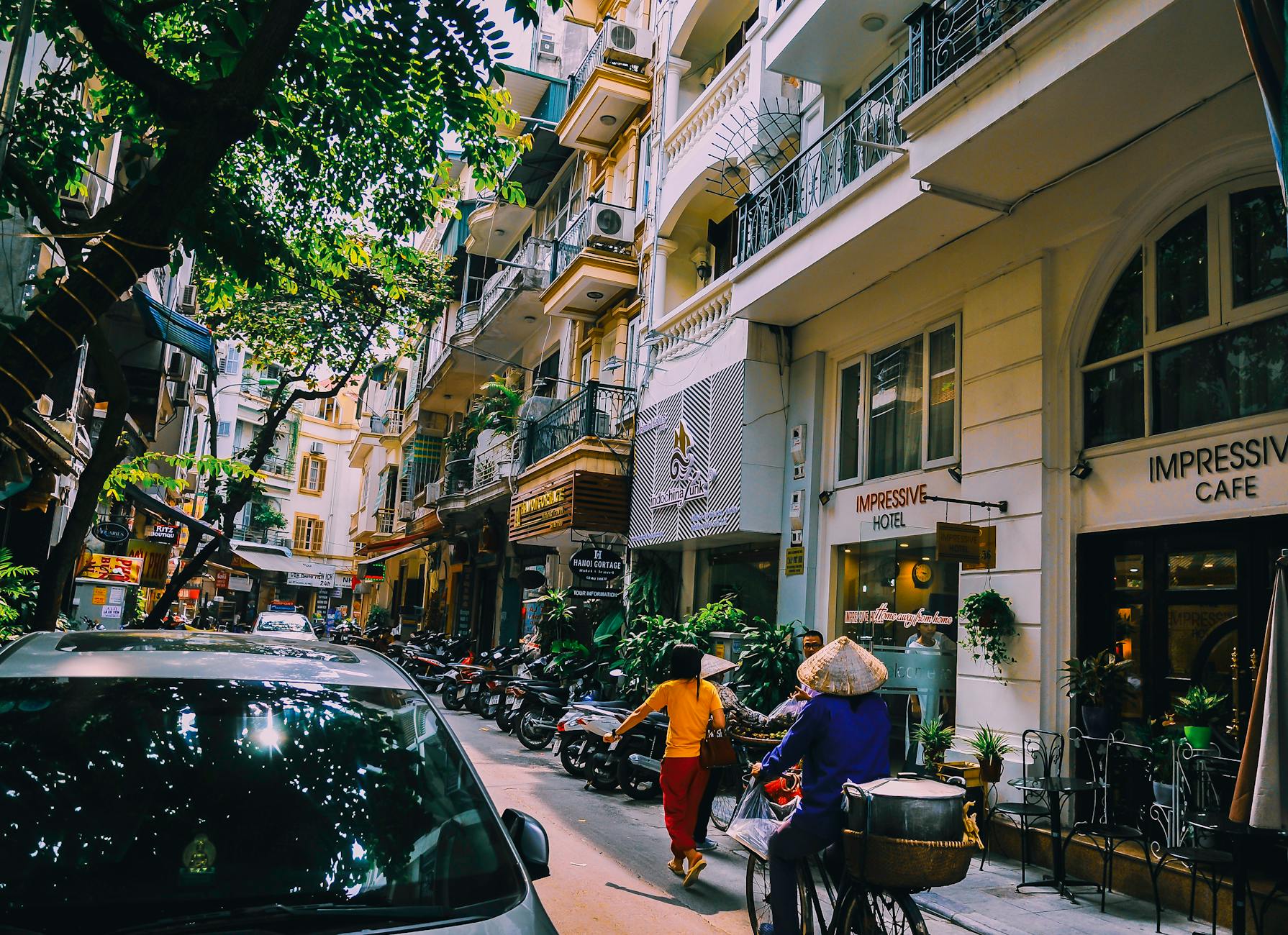
Where to Stay in Hanoi: Accommodation Types Explained
Hotels (Traditional & Chain)
Hotels dominate Hanoi’s accommodation landscape at every price point. From international chains (Marriott, Hilton, Accor, IHG) to Vietnamese-owned properties, hotels offer reliability, 24-hour front desks, housekeeping, and on-site dining. International chains cluster in the French Quarter and West Lake, while Vietnamese-owned hotels are found across all neighborhoods. This is where to stay in Hanoi if you want standardized comfort, consistent service, and the security of established brands.
Boutique Hotels
Hanoi’s boutique hotel scene has exploded in recent years, and it represents some of the best value accommodation in Southeast Asia. Typically featuring 15-50 individually designed rooms, local art, curated experiences, and passionate owner-operators, boutique hotels deliver personality and charm that chain properties struggle to match. Price points ($40-180/night) sit between mid-range chains and true luxury. The Old Quarter and French Quarter have the highest concentration, but newer boutique properties are appearing in Truc Bach and West Lake.
Hostels
Social, budget-friendly hostels cluster in the Old Quarter (Ma May and Hang Bac streets) and increasingly in Hai Ba Trung. The best Hanoi hostels go beyond basic dorm beds, offering organized pub crawls, cooking classes, day trip bookings, rooftop bars, and common areas designed for meeting fellow travelers. Dorm beds: $6-12/night, private rooms: $18-40/night. Many include breakfast, free beer happy hours, and city walking tours.
Homestays
Stay with local Vietnamese families for genuine cultural immersion that no hotel can replicate. Homestays typically cost $10-30/night and include home-cooked breakfast and family interaction. Hosts often share meals, teach basic cooking, and offer insider tips that guidebooks miss. This is where to stay in Hanoi if you want genuine local perspectives and meaningful cultural exchange. Book through Airbnb, Homestay.com, or local travel agencies.
Serviced Apartments
Ideal for extended stays of one month or longer, serviced apartments combine hotel amenities (housekeeping, reception, sometimes gym and pool) with residential comfort (full kitchen, washing machine, living space). Rates range $400-1,500/month depending on location, size, and furnishing quality. West Lake has the largest selection, followed by Truc Bach and Ba Dinh. Most offer flexible lease terms starting at one month, making them perfect for digital nomads, expats, and business travelers on extended assignments.
Seasonal Guide: When to Book Where to Stay in Hanoi
Hanoi’s accommodation prices fluctuate significantly with the seasons, and understanding these patterns can save you 30-50% on your stay.
Peak Season (October-November & February-April)
These months offer Hanoi’s best weather — mild temperatures (18-25°C), low humidity, and minimal rainfall. They also see the highest visitor numbers and accommodation prices. Book 6-8 weeks in advance, especially for popular Old Quarter and French Quarter properties. Expect prices 25-40% higher than low season. Tet (Vietnamese Lunar New Year, usually January-February) creates a unique situation: many hotels offer discounts as international tourists avoid the holiday period, but domestic tourism surges and some restaurants close for the celebration.
Shoulder Season (May, September, December-January)
Shoulder months offer a sweet balance of reasonable weather and moderate prices. May sees warming temperatures but manageable humidity before summer’s peak. September marks the end of the monsoon with occasional afternoon showers but emerging sunshine. December-January brings cool temperatures (10-18°C) that some travelers find surprisingly chilly — Hanoi homes and many budget hotels lack central heating, so pack layers. Book 2-4 weeks ahead. Prices sit 10-20% below peak rates.
Low Season (June-August)
Summer brings intense heat (35-40°C), high humidity, and periodic heavy rains. Accommodation prices drop 30-50% from peak rates, making it the cheapest time to visit. Working air conditioning becomes absolutely essential — verify it before booking at budget properties. The upside: Hanoi’s indoor attractions (museums, temples, cafes, restaurants) are enjoyable year-round, the monsoon rain typically falls in dramatic afternoon bursts rather than all-day drizzle, and you’ll encounter far fewer tourists. Book 1-2 weeks ahead; availability is rarely an issue.
Practical Booking Tips for Hanoi Accommodation
Best Booking Platforms
Booking.com dominates for comprehensive reviews and free cancellation policies — essential for flexible travel plans. Agoda consistently offers the lowest prices for Asian hotels and accepts local payment methods including VNPay. Hostelworld remains the best platform for budget hostels with detailed social atmosphere ratings. Always compare prices across all three platforms for the same property — rates vary by 10-30% for identical rooms on identical dates.
Walk-In Negotiation Strategy
Arriving without a booking and negotiating directly works well at mid-range and budget properties, particularly during low and shoulder seasons. Hotels prefer guaranteed occupancy at reduced rates over empty rooms. Expect 10-30% discounts compared to online prices. The strategy: visit 2-3 hotels in your preferred area, ask to see rooms, and politely negotiate. However, peak season walk-ins risk finding no availability in popular neighborhoods, so always have a backup booking.
Review Reading Strategy
Focus on reviews posted within the past 6 months — Hanoi hotels change management, renovate, or deteriorate quickly. Pay special attention to comments about noise levels (the number one complaint in Old Quarter hotels), breakfast quality, hot water reliability, and staff helpfulness with trip arrangements. Ignore extreme 1-star and 5-star reviews; the most honest assessments typically sit in the 3-4 star range. Google Maps reviews often provide more recent and candid feedback than booking platform reviews.
Airport Transfer Planning
Noi Bai International Airport sits 25-35km from central Hanoi (40-70 minutes depending on traffic and destination neighborhood). Options include hotel shuttle ($15-25/person — arrange in advance), Grab ride-hailing (250,000-350,000 VND / $10-14), Vietnam Airlines minibus (45,000 VND / $1.80 to Old Quarter), and public bus 86 (45,000 VND to Hanoi Railway Station). For late-night arrivals, pre-arranged hotel transfers provide the most stress-free introduction to Hanoi’s chaotic traffic.
Safety Tips for Hanoi Accommodation
Hanoi is generally very safe for tourists, but a few precautions regarding where to stay in Hanoi can prevent common issues:
Use hotel safes for passports, electronics, and excess cash. Petty theft from hotel rooms is rare at reputable properties, but common sense applies. Check fire escape routes upon arrival — Hanoi’s narrow tube houses can create challenging evacuation scenarios, and not all budget properties meet international fire safety standards. Choose hotels with clearly marked exits and fire extinguishers on each floor.
Verify addresses carefully when booking. Some Hanoi hotels have nearly identical names (there are dozens of “Hanoi Charming Hotel” and “Hanoi Elegance Hotel” variations), and Grab drivers may take you to the wrong one. Save your hotel’s exact address in Vietnamese on your phone, along with a Google Maps pin.
Be cautious with “airport taxi” scams at Noi Bai Airport. Use only official taxi companies (Mai Linh with green livery, or Grab) and insist on the meter. Some unofficial taxis quote inflated fixed prices or take deliberately long routes. Pre-arranged hotel transfers eliminate this risk entirely.
Getting Between Neighborhoods in Hanoi
Understanding transportation options is essential when choosing where to stay in Hanoi, since your neighborhood choice determines how you’ll reach attractions in other areas.
Grab (ride-hailing): The most convenient option. GrabCar (air-conditioned car) costs 20,000-80,000 VND ($0.80-3.20) for most inner-city trips. GrabBike (motorbike taxi) costs half that but requires comfort with Hanoi traffic. Download the app before arriving.
Walking: Hanoi’s central districts are surprisingly walkable once you master the art of crossing traffic (walk slowly and steadily — motorbikes will flow around you). Old Quarter to French Quarter: 10-15 minutes. Old Quarter to Truc Bach: 15-20 minutes. Old Quarter to Ba Dinh (Temple of Literature): 25-30 minutes.
Cycling: Flat terrain makes cycling viable, particularly around West Lake (17km loop) and Ba Dinh. Many hotels provide complimentary bicycles. Cycling in the Old Quarter requires nerves of steel but rewards the adventurous with an unmatched immersive experience.
Metro Line 2A (Cat Linh – Ha Dong): Hanoi’s first metro line runs from Cat Linh station (near the Temple of Literature in Dong Da/Ba Dinh) southwest to Ha Dong. While it doesn’t directly serve the Old Quarter or West Lake, it’s useful for reaching southwestern Hanoi attractions. A second line is under construction.
Hanoi Neighborhood Comparison Table
| Neighborhood | Best For | Budget Range | Walk to Old Quarter | Noise Level | Food Scene |
| Old Quarter | First-timers, backpackers | $6-250/night | You’re there | Very High | Outstanding street food |
| French Quarter | Couples, luxury | $60-800+/night | 10-15 min | Low-Moderate | Fine dining + cafes |
| Truc Bach | Savvy travelers, families | $12-150/night | 15-20 min | Low | Local specialties |
| Ba Dinh | Culture + history | $12-80/night | 20-30 min | Low | Authentic local |
| West Lake (Tay Ho) | Expats, luxury, nomads | $35-500+/night | 15-25 min (Grab) | Low | International + upscale |
| Hai Ba Trung | Local experience, foodies | $8-60/night | 15-20 min | Moderate | Excellent local |
| Dong Da | Budget travelers, students | $6-35/night | 25-40 min | Moderate | Cheap + authentic |
More Hanoi accommodation guides
Narrowing down a neighbourhood or a budget? These guides cover where to stay in detail:
- Best Hotels in Hanoi Old Quarter: Top Picks
- Hanoi Boutique Hotels: Unique & Charming Stays
- Budget Hostels in Hanoi: Cheap & Social Stays
- Hanoi Luxury Hotels: 5-Star & High-End Stays
- Hanoi Homestays: Local Living & Family Stays
- Best Airbnb in Hanoi: Top Apartments & Villas
- Hanoi Hotels Near Hoan Kiem Lake: Best Locations
- West Lake Tay Ho Accommodation: Hotels & Villas
- French Quarter Hotels Hanoi: Colonial Charm Stays
- Hanoi Hotels for Families: Kid-Friendly Options
- Hanoi Hotels by Neighborhood: Complete District Guide
Keep planning: explore our guides to the Old Quarter, Hanoi travel guide, getting around Hanoi, Hanoi itineraries.
Frequently Asked Questions About Where to Stay in Hanoi
What is the best area to stay in Hanoi for first-time visitors?
The Old Quarter is the best area for first-time visitors. Its central location, walkability, concentration of attractions (Hoan Kiem Lake, Night Market, street food, temples), and accommodation at every budget make it the ideal base for experiencing Hanoi’s energy. Plan to stay 2-3 nights here before potentially moving to a quieter neighborhood.
Is Hanoi safe for solo female travelers?
Yes, Hanoi is considered one of the safest cities in Southeast Asia for solo female travelers. The main concerns are petty theft (bag snatching from motorbikes) and traffic rather than violent crime. Choose well-reviewed hotels with 24-hour front desks, keep valuables secure, and use Grab rather than unofficial taxis at night. The Old Quarter and French Quarter are the most tourist-friendly areas with the highest security presence.
How much should I budget for accommodation in Hanoi?
Budget travelers can comfortably find quality accommodation for $10-20/night, mid-range travelers should budget $30-80/night for excellent properties, and luxury travelers can expect world-class experiences from $150-500/night. Hanoi offers significantly better accommodation value than Bangkok, Singapore, or Hong Kong at every price point.
Should I book accommodation in advance or find it on arrival?
During peak season (October-November, February-April), book at least 4-6 weeks in advance, especially for popular Old Quarter and French Quarter properties. During low season (June-August), booking 1-2 weeks ahead or even walking in works fine and may yield better rates through face-to-face negotiation. Always book your first night in advance to avoid arrival stress, especially for late-night flights.
What is the best neighborhood for street food?
The Old Quarter has the highest concentration and variety of street food, making it the top choice for food-focused travelers. However, Hai Ba Trung and Dong Da offer equally delicious food at lower prices with a more authentic atmosphere — you’ll be eating alongside locals rather than tourists. Ba Dinh’s area near the Temple of Literature is famous for excellent bun cha and pho stalls.
Finding Your Perfect Hanoi Stay
Knowing where to stay in Hanoi transforms your entire visit from generic tourism into a deeply personal experience of one of Asia’s most fascinating capitals. The Old Quarter offers chaotic authenticity and non-stop sensory overload. The French Quarter provides elegant calm and colonial romance. Truc Bach delivers the perfect balance between convenience and local charm. Ba Dinh immerses you in Vietnam’s cultural heritage. West Lake surrounds you with natural beauty and cosmopolitan amenities. Hai Ba Trung reveals how Hanoians actually live. And Dong Da rewards the most adventurous budget travelers with rock-bottom prices and zero tourist veneer.
The best strategy for visits of five days or longer is to split your stay across two neighborhoods — experiencing the energetic Old Quarter first, then moving to a quieter base like Truc Bach, West Lake, or the French Quarter for your remaining nights. This approach reveals the remarkable contrasts that make Hanoi endlessly fascinating and ensures you return home with stories from very different corners of this remarkable city.
Ready to explore beyond your hotel? Check our guides to Hanoi’s complete travel guide, 50+ things to do in Hanoi, exploring the Old Quarter’s 36 streets, and Hanoi’s incredible food scene. Plan your journey from the airport with our transportation guide and discover the best day trips from Hanoi including Ha Long Bay and Ninh Binh.