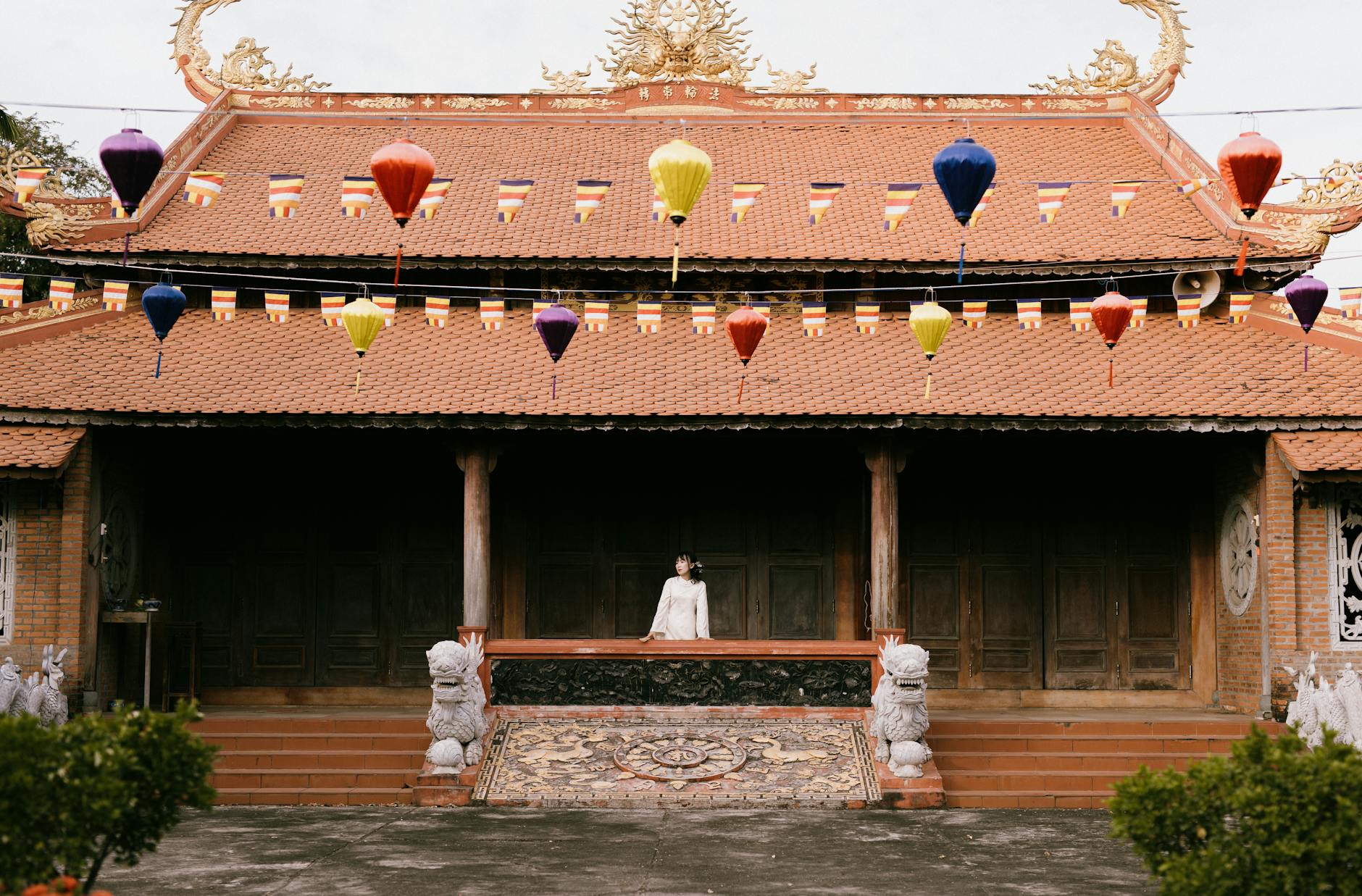
Hanoi is one of Asia’s richest cultural cities. A thousand years of imperial history, French colonial influence, war legacy, Confucian heritage, ethnic diversity, and surviving craft traditions all live within walking distance of Hoan Kiem Lake. This complete guide to cultural experiences in Hanoi for 2026 covers 30+ ways to engage with the city’s living heritage — from water puppet shows and ca tru concerts to silk-weaving villages, calligraphy classes, and the major temples and museums that anchor any cultural visit.
Why Hanoi Is a Cultural Capital
Hanoi became Vietnam’s capital in 1010, when Emperor Ly Thai To moved the court here from Hoa Lu. The city has been the political, intellectual, and cultural center of Vietnam for most of the millennium since. The Old Quarter is still known as the “36 streets”, and many of its street names come from the trade guilds that once worked them. The Temple of Literature dates from 1070, and in 1076 it became home to the Imperial Academy, Vietnam’s first national university. The Imperial Citadel is a UNESCO World Heritage Site. And surviving practices like water puppetry, ca tru singing, lacquer painting, and silk weaving make Hanoi a living museum that rewards travelers who slow down and engage.
Traditional Performance Arts
1. Water Puppet Show
Water puppetry grew up in the rice fields of the Red River Delta and goes back about a thousand years. Lacquered wooden puppets dance on a pool of water with live traditional music. Catch a 50-minute show at Thang Long Water Puppet Theatre next to Hoan Kiem Lake. Tickets 100,000-200,000 VND. Multiple daily showtimes.
2. Ca Tru (Sung Poetry)
UNESCO-recognized form of sung poetry performed by a female singer accompanied by a three-string lute. Ask your hotel where ca tru is being staged during your stay; tickets ~200,000 VND.
3. Hanoi Opera House
Hanoi’s 1911 colonial theater, home to Vietnamese ballet, classical concerts, and traditional performances, closed after 31 January 2026 for restoration expected to take about two years. Until it reopens, admire the facade from the square outside.
4. Vietnamese Classical Opera (Tuong)
Traditional masked Vietnamese opera at Hong Ha Theatre. Atmospheric, niche, fascinating.
5. Cheo (Folk Theater)
Traditional satirical folk opera with stylized acting and music. Periodic performances at Hong Ha and other venues.
6. Live Music at Binh Minh’s Jazz Club
Established Hanoi jazz venue with live music in the evenings; check that night’s start time with the club before you go. A modern cultural complement to the traditional arts.
Major Cultural Sites

7. Temple of Literature
Founded in 1070 to honour Confucius; in 1076 the Imperial Academy, Vietnam’s first national university, opened here. Five courtyards, 82 ancient stone steles documenting doctoral graduates. Entry 70,000 VND.
8. Imperial Citadel of Thang Long
UNESCO-listed remains of Thang Long, the imperial capital from the 11th to the 18th century. Doan Mon main gate, Hau Lau Princess Pavilion, and underground military bunkers. Entry 100,000 VND.
9. Tran Quoc Pagoda
Hanoi’s oldest Buddhist pagoda (1,500 years), set on a small island in West Lake. Free entry; donations welcome.
10. Quan Thanh Temple
11th-century Taoist temple guarding the city’s northern gate. Adjacent to Tran Quoc.
11. Ngoc Son Temple
Inside Hoan Kiem Lake, accessible via the iconic red Huc Bridge. Entry 50,000 VND.
12. Bach Ma Temple
The Old Quarter’s oldest temple (9th century) and one of Hanoi’s four sacred temples. Admission is 20,000 VND.
13. One Pillar Pagoda
Iconic 11th-century Buddhist pagoda perched on a single stone pillar within the Mausoleum complex. Admission is 25,000 VND.
14. Ho Chi Minh Mausoleum Complex
Free body-viewing of Vietnam’s revolutionary leader. Normally closed Mondays and Fridays; the mausoleum is shut for maintenance from 4 September to 2 November 2026 and reopens on 3 November.
15. Hoa Lo Prison Memorial
Sobering Vietnam War history museum — the “Hanoi Hilton” that housed POWs. Entry 50,000 VND.
Top Cultural Museums
- Vietnam Museum of Ethnology — the place to understand Vietnam’s 54 ethnic groups.
- Vietnam National Museum of Fine Arts — comprehensive collection from the Bronze Age to contemporary lacquer paintings.
- Vietnam National Museum of History — civilization timeline with imperial regalia.
- Vietnamese Women’s Museum — modern, multilingual, three floors of women’s history.
- Vietnam Military History Museum — war legacy with helicopters, tanks, and detailed exhibits.
Craft Villages & Hands-On Workshops

16. Bat Trang Pottery Village (700+ years)
Southeast of central Hanoi; allow for traffic on the drive out. Hands-on pottery class ~150,000-300,000 VND. Browse hundreds of ceramic studios.
17. Van Phuc Silk Village (1,000+ years)
Around 10 km southwest of central Hanoi. Watch master weavers, browse the showroom, buy silk by the meter.
18. Quang Phu Cau Incense Village
35 km south. The village explodes with vibrant red incense sticks drying in the sun — a stunning photo location.
19. Chuong Conical Hat Village
Watch the entire production process from leaf prep to bamboo frame to final stitching of Vietnam’s iconic non la hats.
20. Ha Thai Lacquerware Village
Hanoi’s suburb of Ha Thai is the heart of Vietnam’s lacquerware tradition. Workshops include lacquer painting classes.
21. Phu Vinh Bamboo Weaving Village
Master artisans craft bamboo and rattan products using techniques passed down for generations.
22. Duong Lam Ancient Village
50 km west. A historic village of centuries-old houses, laterite walls and traditional courtyards.
Hands-On Cultural Workshops
- Vietnamese Cooking Class at Hanoi Cooking Centre, Apron Up, or Rose Kitchen.
- Vietnamese Coffee Workshop teaching traditional drip and egg coffee techniques.
- Vietnamese Tea Ceremony at Hien Tra Truong Xuan or Quan Tra Bach Thanh.
- Calligraphy Class at Bach Thach Calligraphy Studio.
- Lacquer Painting Class at Manzi Art Space.
- Silk Painting Workshop at Van Phuc Silk Village.
- Pottery Class at Bat Trang Pottery Village.
- Perfume Workshop at NOTE Scent Lab in Tay Ho.
- Vietnamese Language Class — many language schools offer week-long intro courses.
Festivals & Cultural Events
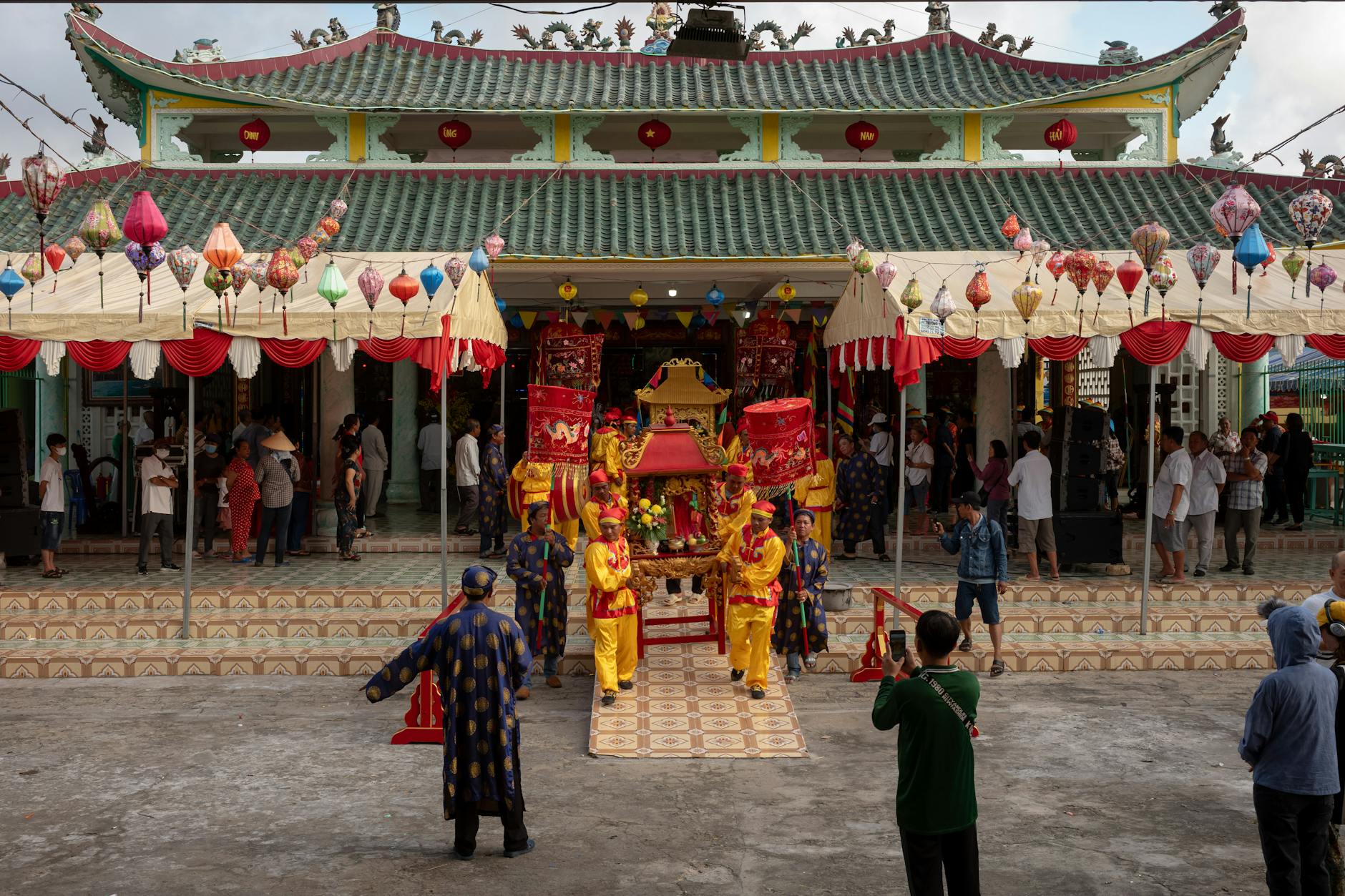
23. Tet (Lunar New Year, January or February)
Vietnam’s biggest celebration. Hanoi quiets dramatically as families gather, but the city’s pre-Tet preparations and post-Tet temple visits are spectacular.
24. Hung Kings’ Festival (April)
National holiday honoring Vietnam’s founding kings. Cultural programming across Hanoi.
25. Mid-Autumn Festival (September or October)
Lantern-lit Old Quarter, mooncakes, and family processions. Hang Ma street transforms into a paper-lantern paradise.
26. Vietnam National Day (September 2)
Major patriotic celebrations, parades, and cultural performances.
27. Perfume Pagoda Festival (Spring)
3-month pilgrimage to the limestone-cliff temple complex about 60 km southwest of central Hanoi. Yen Stream rowboats and cable cars.
28. International Friendship Concert Series
Hanoi Opera House, the usual stage for visiting orchestras and ballet companies, is closed for restoration until at least 2027, so watch the city’s concert listings for where touring performers appear instead.
Cultural Walking Tours
- Free Hanoi Walking Tours: tip-only guided walks; check start times and the meeting point when you book.
- Old Quarter History Walk via Hanoi Free Tour Guides.
- French Quarter Architecture Walk with Discover Asia Tours.
- Cultural Heritage Tour via Inspitrip.
- Hidden Hanoi Walks with local English-speaking guides.
- Foodie Heritage Tour combining culture with food on a single walk.
Hanoi Cultural Etiquette
- Cover shoulders and knees at temples.
- Remove shoes before entering temple inner halls and most homes.
- Use both hands when giving or receiving money, business cards, or gifts.
- Keep voices down at temples and traditional restaurants.
- Never touch a Vietnamese person’s head — considered sacred.
- Don’t point with your foot or rest feet on chairs.
- A small tip at sit-down restaurants is appreciated for good service.
- Avoid taking photos of people praying without permission.
3-Day Cultural Hanoi Itinerary
Day 1 — Imperial & Religious Heritage
- Sunrise at Hoan Kiem Lake.
- Temple of Literature.
- Lunch at Madame Hien.
- Imperial Citadel of Thang Long.
- Egg coffee at Café Giang.
- Water Puppet Show.
- Dinner at Cha Ca La Vong.
Day 2 — Museums & War History
- Vietnam Museum of Ethnology.
- Lunch at Quan An Ngon.
- Hoa Lo Prison Memorial.
- Vietnamese Women’s Museum.
- Sunset at Long Bien Bridge.
- Ca tru performance; ask your hotel which venue is staging one that evening.
- Dinner at Highway 4.
Day 3 — Crafts & Hands-On
- Bat Trang Pottery Village half-day class.
- Lunch with an artisan family.
- Return to Hanoi for Vietnamese cooking class at Hanoi Cooking Centre.
- Coffee at Manzi Art Space.
- Lacquer painting class.
- Final dinner at Sofitel Metropole’s Le Beaulieu.
Hanoi Cultural FAQs
What is the most important cultural experience in Hanoi?
The Water Puppet Show is the most accessible and memorable for first-timers. Temple of Literature is essential for history-minded travelers.
Are temples free?
Most are free with optional donations. Major sites like the Temple of Literature charge small entry fees (~$2-3).
Can I visit craft villages independently?
Yes — Bat Trang is reachable via Bus 47B (8,000 VND) or Grab (~$5). Other villages are more remote and benefit from organized tours.
What about photography in temples?
Generally allowed but ask before photographing people praying. Avoid flash near altars.
Is the Mausoleum disrespectful to skip?
No. It’s a deeply meaningful site for Vietnamese visitors but optional for foreigners. The complex around it (Imperial Citadel, One Pillar Pagoda) is worth visiting either way.
How long for the Vietnam Museum of Ethnology?
Allow 2-3 hours to see the indoor galleries and the outdoor Architecture Garden, with traditional buildings from a selection of Vietnam’s ethnic groups.
Can I attend a ca tru performance?
Yes — ask your hotel concierge which venue has a ca tru performance during your stay, and reserve through them.
Are cooking classes worth doing?
Absolutely — one of the most rewarding cultural experiences. Hanoi Cooking Centre is one name to look at; check that its classes are running when you book.
Engage With Hanoi’s Living Heritage
Hanoi’s cultural depth is its greatest asset. Pair the headline sights with hands-on workshops, traditional performances, and craft-village visits and you’ll leave with a real understanding of Vietnamese culture rather than just a checklist of photos. Pair this guide with our Culture & History pillar, our 50+ Best Things to Do, and the Hanoi Museums Guide.